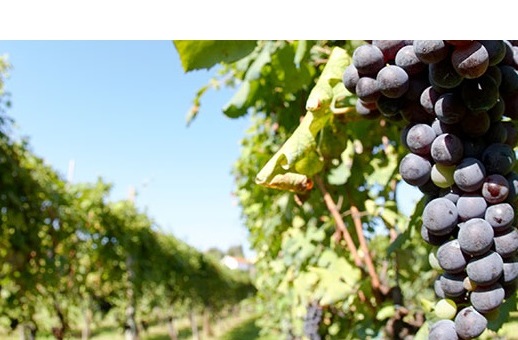

Nestled in the picturesque hills of Amelia, Umbria, the Ciliegiolo grape offers a captivating journey through Italian wine history. While its origins are debated, many experts suggest a Spanish lineage, with connections to the Ciregiolo grape found in Tuscany dating back to the 17th century. The name itself derives from the Italian word for cherry, reflecting the grape's vibrant, fruity aromas that evoke the region's lush landscapes.
As a close relative of Sangiovese, Ciliegiolo plays a crucial role in the local viticulture, often blended to enhance the depth of color and aroma in wines. Its preferred territory in the Amerini hills of Terni allows it to thrive, producing wines that are characterized by their intense ruby-red hue and fresh, slightly alcoholic bouquet.
### A Deep Dive into History and Origins Amelia, with its rich history dating back to ancient Roman times, serves as a fitting backdrop for the story of Ciliegiolo. This enchanting hilltop town, once a key military outpost, played a strategic role during the Roman Empire. The remnants of its storied past can be seen in the well-preserved walls and structures that dominate the landscape.
The grape itself, believed to have been cultivated as far back as the 17th century, showcases a fascinating blend of Italian wine-making heritage infused with potential Spanish influences. The journey of Ciliegiolo within Umbria mirrors the evolution of Italian wines over the centuries, adapting to the local terroir and climatic conditions while maintaining its unique characteristics.
### Architectural Wonders and Artistic Significance The charm of Amelia is not only found in its vineyards but also in its architecture. The town boasts a stunning array of medieval buildings, including the Cathedral of St. Fermina, a testament to Romanesque and Gothic architectural styles. The intricate frescoes and altars within the cathedral reflect the artistic fervor of the region, making it a cultural treasure.
Local artistry extends beyond the confines of architecture. Notable artworks, including pieces by local painters from the Renaissance era, can be found in various churches and galleries throughout the town. The artistic significance of Amelia lies in its ability to preserve these historical treasures while embracing modern interpretations of its rich cultural heritage.
### Local Culture and Traditions Ciliegiolo is more than just a grape; it’s a symbol of Amelia's cultural identity. The region celebrates its winemaking heritage with various local customs and festivals. One of the most notable is the Sagra dell'Uva, held annually in September, where local vintners showcase their best wines, including Ciliegiolo. This vibrant festival features music, dance, and an abundance of local delicacies, creating a festive atmosphere that attracts both locals and tourists alike.
Another cherished tradition is the gathering of families for the Festa della Vendemmia, or grape harvest festival. This event not only celebrates the harvest but also emphasizes the importance of community, as families come together to enjoy homemade dishes paired with their finest wines.
### Gastronomy: A Feast for the Senses In Amelia, gastronomy is deeply intertwined with the winemaking tradition. Local cuisine features dishes that complement the fruity notes of Ciliegiolo. Traditional fare includes strangozzi, a type of homemade pasta often served with wild boar ragu, and porchetta, a succulent roast pork seasoned with aromatic herbs. These hearty dishes are typically paired with a glass of Ciliegiolo, enhancing the overall dining experience.
Cheese lovers will also find delight in local specialties such as Pecorino and Caciotta, which harmonize beautifully with the wine's acidity and fruity undertones. A visit to the local markets is a must, as they offer an array of artisan products, from cured meats to handmade pastas, perfect for a leisurely picnic amid the scenic hills.
### Lesser-Known Curiosities While many tourists flock to the major wine regions of Italy, the hidden gems of Ciliegiolo often go unnoticed. One intriguing detail is the grape's versatility; it can be vinified as a standalone varietal or blended with other grapes, leading to a delightful range of flavors and styles. Additionally, the grape's name is a nod to the cherry blossoms that flourish in the region, a reminder of the natural beauty that surrounds Amelia.
Another lesser-known fact is the unique microclimates found in the Amerini hills, which contribute to the distinct character of Ciliegiolo wines. The interplay of elevation, soil composition, and weather patterns creates an environment where the grape can express its full potential, resulting in wines that are both complex and approachable.
### Practical Visitor Information The best time to visit Amelia is during the fall, particularly in September and October when the grape harvest is in full swing. This is when the town comes alive with festivals celebrating the local wines and culinary traditions. Visitors should not miss the chance to tour local vineyards, where they can learn about the winemaking process and enjoy tastings of Ciliegiolo and other regional varieties.
When planning your trip, consider starting at the Centro Storico, the historic center of Amelia, where you can enjoy a leisurely stroll through its narrow streets, visit local shops, and savor authentic Italian cuisine.
In conclusion, Ciliegiolo embodies the spirit of Amelia, merging history, culture, and gastronomy into a captivating experience. To truly appreciate the depth of this enchanting town, consider using the Secret World app to plan a personalized AI itinerary tailored to your interests.
