



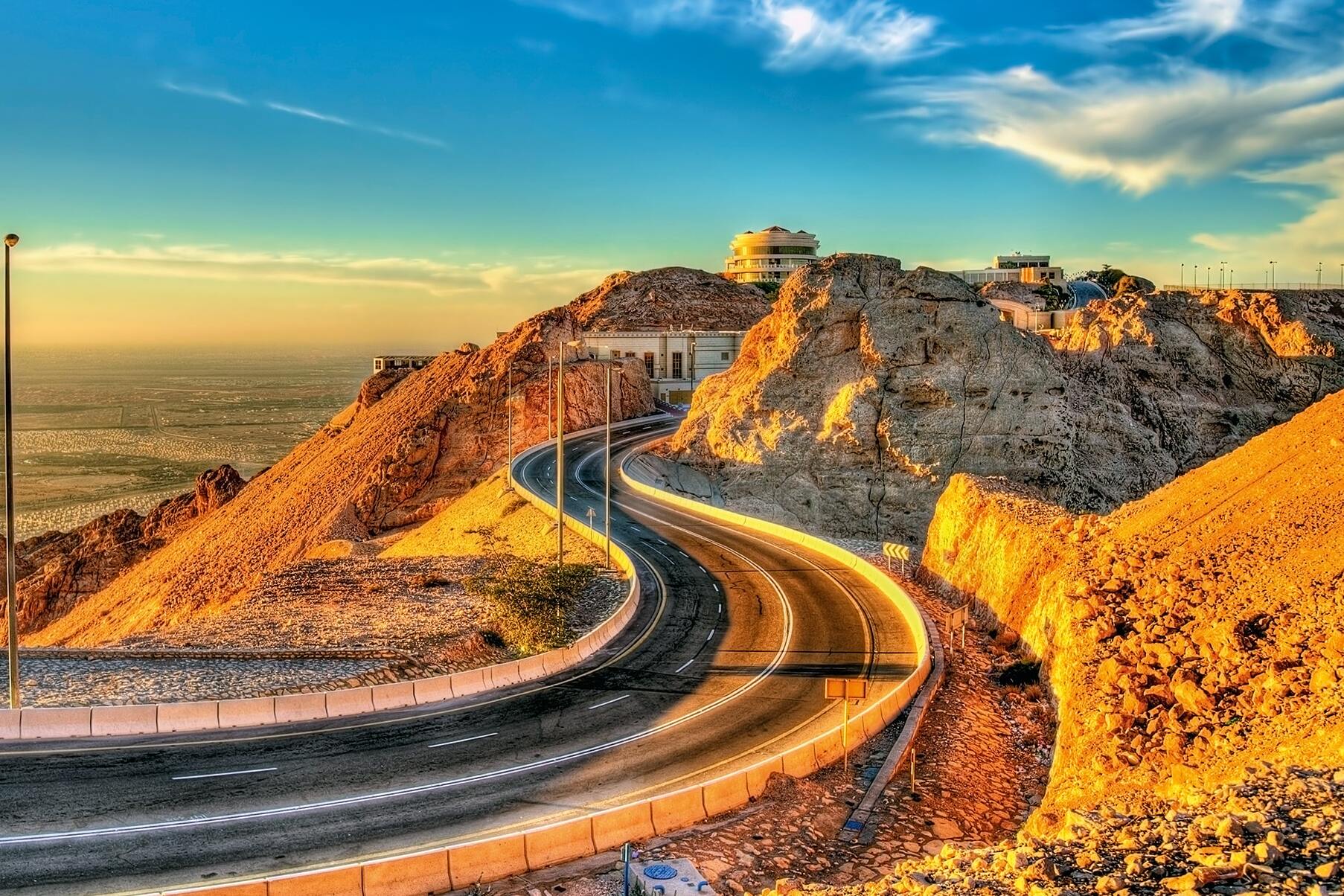
Rising majestically above the desert landscape, Jebel Hafeet Mountain is not just a geographical marvel; it is a portal to the rich tapestry of history, culture, and natural beauty that defines the United Arab Emirates. Nestled in the Al Ain region of the Emirate of Abu Dhabi, this mountain stands at an elevation of 1,249 meters and offers breathtaking views that stretch across the borders of Oman.
The mountain has a storied past that dates back to the Neolithic period, with archaeological findings suggesting that it has been inhabited for over 4,000 years. The Jebel Hafeet Tombs, located on its slopes, are a testament to this ancient history. Discovered in the 1950s, these burial sites contain artifacts, pottery, and tools that provide valuable insights into the lives of the early inhabitants. The tombs are part of a larger archaeological landscape that highlights the region's significance as a trade route and cultural exchange hub.
Architecturally, Jebel Hafeet is surrounded by the modernity of the Al Ain cityscape, yet it retains an aura of antiquity. The Jebel Hafeet Mountain Road, a stunning stretch of asphalt that winds its way to the summit, is a feat of engineering. Spanning 11.7 kilometers, this road features 60 curves and offers spectacular panoramas at every turn. At the summit, visitors can explore the Jebel Hafeet Mercure Hotel, which is designed in harmony with its natural surroundings, providing a perfect blend of comfort and rugged landscape.
The culture surrounding Jebel Hafeet is deeply rooted in the traditions of the Bedouins, who once roamed these lands. The local community holds various festivals celebrating their heritage, including the Al Ain Cultural Festival, where traditional dances, music, and crafts come alive. The UAE National Day, celebrated every December 2nd, also draws visitors to the mountain as families gather to enjoy picnics and fireworks against the stunning backdrop of the mountain’s silhouette.
Gastronomy in the region is a reflection of the UAE’s diverse culinary landscape. Near Jebel Hafeet, one can find small eateries offering Arabic coffee and dates, staples that symbolize hospitality in Emirati culture. Don't miss trying Shawarma or Kebabs, often enjoyed by locals after a day of exploring. For a true taste of tradition, sample Machboos, a spiced rice dish often served with meat or seafood, showcasing the flavors that have been passed down through generations.
While many visitors flock to the mountain for its stunning vistas, there are lesser-known curiosities that make a trip to Jebel Hafeet even more enriching. One such fact is that the mountain is home to the Jebel Hafeet Desert Park, where you can explore the unique desert ecosystem, including the rare Arabian Oryx. There are also natural springs near the base of the mountain, which locals believe have healing properties. These springs have been a source of life in this arid region for centuries.
For those planning a visit, the best time to explore Jebel Hafeet is during the cooler months, from October to March, when temperatures are more pleasant for outdoor activities. Early mornings or late afternoons are ideal for driving up the winding road, as the sun sets, painting the sky in hues of orange and pink. Bring a camera to capture the stunning landscapes, and don’t forget to pack plenty of water and sunblock.
As you ascend to the summit, take the time to enjoy the panoramic views of the Al Ain Oasis and the vast desert beyond. Look out for the flocks of birds that inhabit the area, as well as the diverse flora and fauna that thrive in this unique environment.
In conclusion, Jebel Hafeet Mountain is not merely a destination; it is a journey through time and culture, offering a glimpse into the heart of the UAE. Whether you are an adventurer seeking stunning views, a history enthusiast exploring ancient tombs, or a foodie eager to savor local delights, this mountain promises an unforgettable experience.
To enhance your visit, consider using the Secret World app to plan a personalized AI itinerary tailored to your interests.
