



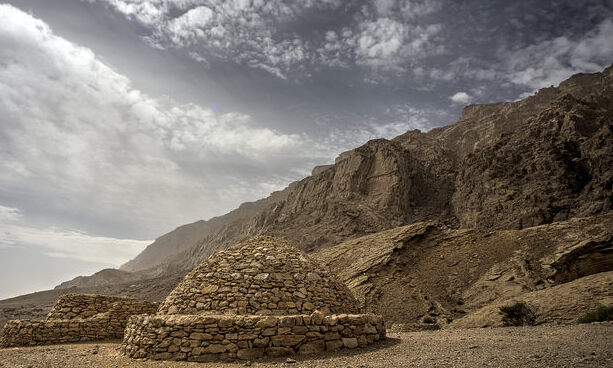
Nestled against the rugged backdrop of Jebel Hafit, the towering mountain that has long been a sentinel over the oasis city of Al Ain, lie the 5,000-year-old tombs that whisper tales of a bygone era. These ancient burial sites, recognized as the starting point of the Bronze Age in the UAE, offer a fascinating glimpse into the lives of the region’s earliest inhabitants.
The origins of the Jebel Hafit tombs can be traced back to around 3000 BCE, a period that marked significant developments in trade and society across the Arabian Peninsula. Danish archaeologists, led by P.V. Glob, first uncovered these tombs in 1959, revealing a treasure trove of artifacts including intricate ceramic vessels and copper tools. The findings underscored the pivotal role of maritime trade in connecting the UAE with distant lands, demonstrating that these people were not isolated but part of a dynamic network of commerce and culture.
Architecturally, the tombs are striking in their simplicity and resilience. Constructed from local, unworked stones, the single-chamber tombs reveal a pragmatic yet profound approach to burial practices. Unlike the later Umm an-Nar tombs, which featured finely worked blocks and housed multiple skeletons, the Jebel Hafit tombs were designed for individual burials, suggesting a society that placed significant emphasis on personal identity in death. The tombs are spread across the mountain’s slopes, with some standing at elevations that offer breathtaking views of the surrounding desert and lush oases, a juxtaposition of life and death that adds to their allure.
Culturally, the significance of the Jebel Hafit tombs extends beyond their archaeological value. They are a testament to the early Emirati people’s customs and beliefs surrounding death and the afterlife. While the specifics of their rituals remain largely unrecorded, the presence of grave goods such as pottery and tools points towards a belief in an existence beyond this life. Today, local traditions continue to honor this rich heritage, with festivals celebrating the unity of the community and its connection to the land.
The gastronomy of Al Ain is another reflection of its cultural tapestry, with dishes that echo the region’s history. Traditional Emirati cuisine features staples such as Al Harees and Majboos, a spiced rice dish often served with tender meats. These meals are typically enjoyed during gatherings and celebrations, further emphasizing the communal spirit that resonates through the tombs and their historical significance. Sipping on a cup of Arabic coffee, often flavored with cardamom, is a ritual in itself, symbolizing hospitality and the warmth of Emirati culture.
Among the many stories woven into the fabric of the Jebel Hafit tombs, one lesser-known fact is that they have inspired local folklore and legends. Tales of ancient wanderers and spirits who guard the tombs have been passed down through generations, enriching the narrative of this historical site. Moreover, the tombs' location on the mountain has made them a popular spot for both local and international photographers seeking to capture the ethereal beauty of the desert landscape, especially during sunrise or sunset.
For those planning a visit, the best time to explore the Jebel Hafit tombs is during the cooler months, from October to March, when the temperatures are more pleasant for hiking and outdoor activities. The tombs are easily accessible via a well-maintained road leading up to Jebel Hafit, and it’s advisable to wear sturdy footwear for the rocky terrain. As you walk among the tombs, take a moment to pause and absorb the profound silence that surrounds you—it's a powerful reminder of the lives that once thrived here.
When visiting, look for the distinct features of the tombs, such as the circular stone walls and the way they blend seamlessly into the landscape. The strategic placement of each tomb on the mountain side offers a unique perspective on ancient burial practices and invites reflection on the relationship between the living and the dead.
In summary, the Jebel Hafit tombs are not merely ancient structures; they are a portal into the past, revealing the intricate tapestry of life, death, and culture in the UAE. Whether you are a history enthusiast, a lover of architecture, or a seeker of local culture, these tombs are a must-visit destination that encapsulates the spirit of Al Ain.
To truly enhance your experience, consider using the Secret World app to plan a personalized AI itinerary for your visit to Al Ain.
