
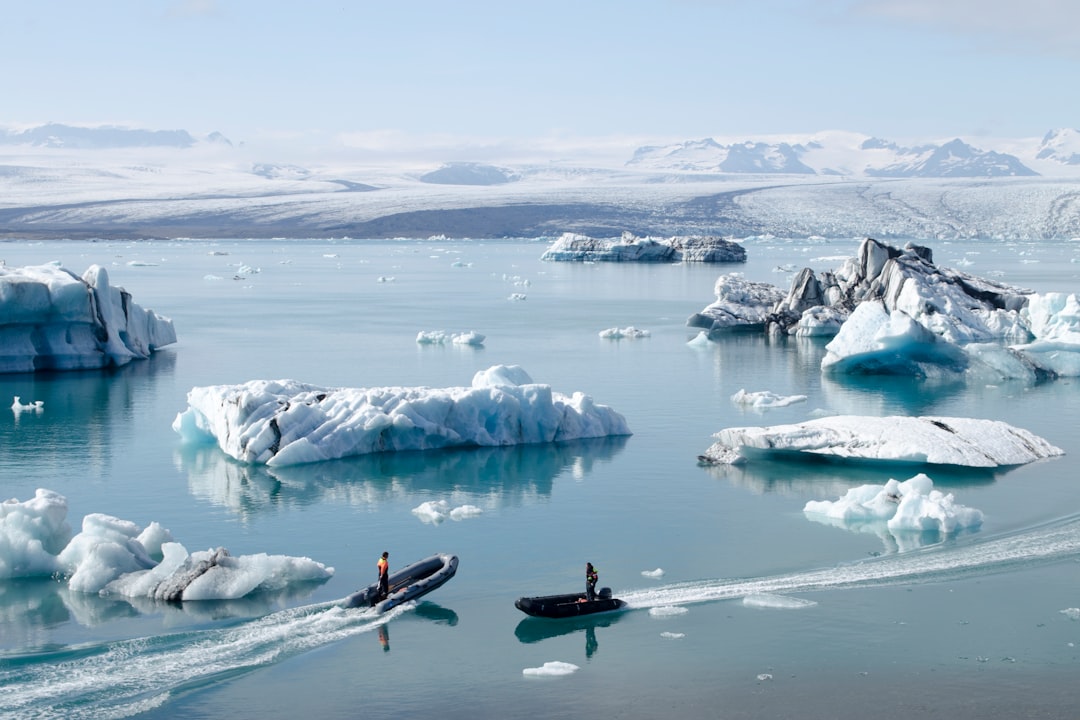

A transparent block of ice, the size of a car, slowly glides over the dark water of the lagoon while a gray seal watches it indifferently from the shore. This is Jökulsárlón, the deepest glacial lagoon in Iceland, located along the southern coast of the island near the town of Höfn í Hornafirði, about 370 kilometers from Reykjavík along the Ring Road. The lagoon was formed during the twentieth century as the Breiðamerkurjökull glacier — a tongue of the largest glacier in Europe, Vatnajökull — began to retreat, leaving behind a body of water that today reaches a maximum depth of about 248 meters.
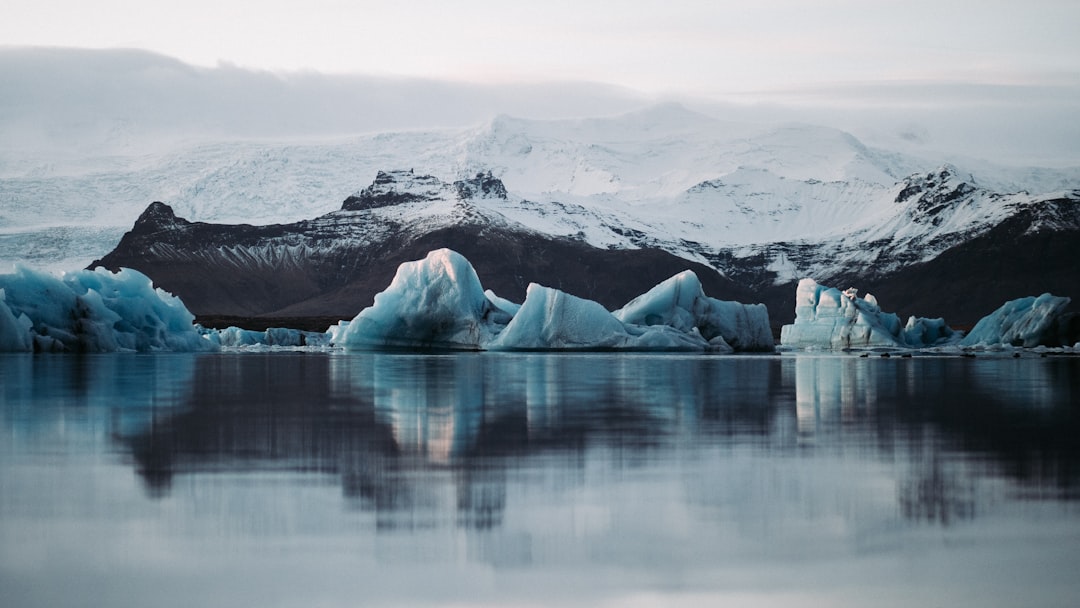
What makes this place extraordinary is not only the visual spectacle of the icebergs drifting towards the sea but also the concentration of wildlife that gravitates around it. The cold, fish-rich waters of the lagoon attract common seals and gray seals, which can regularly be seen resting on the icebergs or swimming among the visitors along the shore. Above them, Arctic terns and skuas perform their aerial maneuvers, while in the summer months, it is also possible to spot the rare three-toed gull. The biodiversity of this corner of Iceland is directly linked to the health of the glacier that feeds it.
The eastern shore and Diamond Beach: away from the crowd
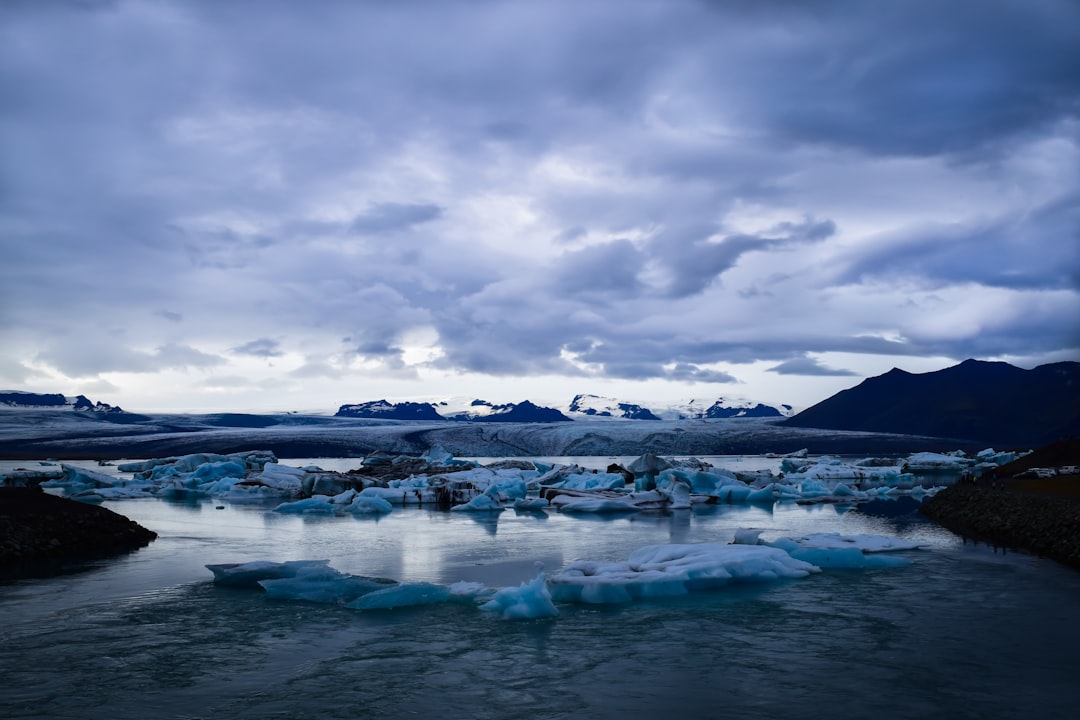
Most tourist buses drop off visitors on the west side of the lagoon, where the main parking lot, café, and boat tour embarkation point are located. However, few cross the small bridge on Route 1 to reach the eastern shore, which directly overlooks Diamond Beach. Here, fragments of icebergs carried by the current wash up on the black volcanic sand, creating a color contrast that requires no photographic filters: the white and blue of the ice against the absolute black of the basalt beach.
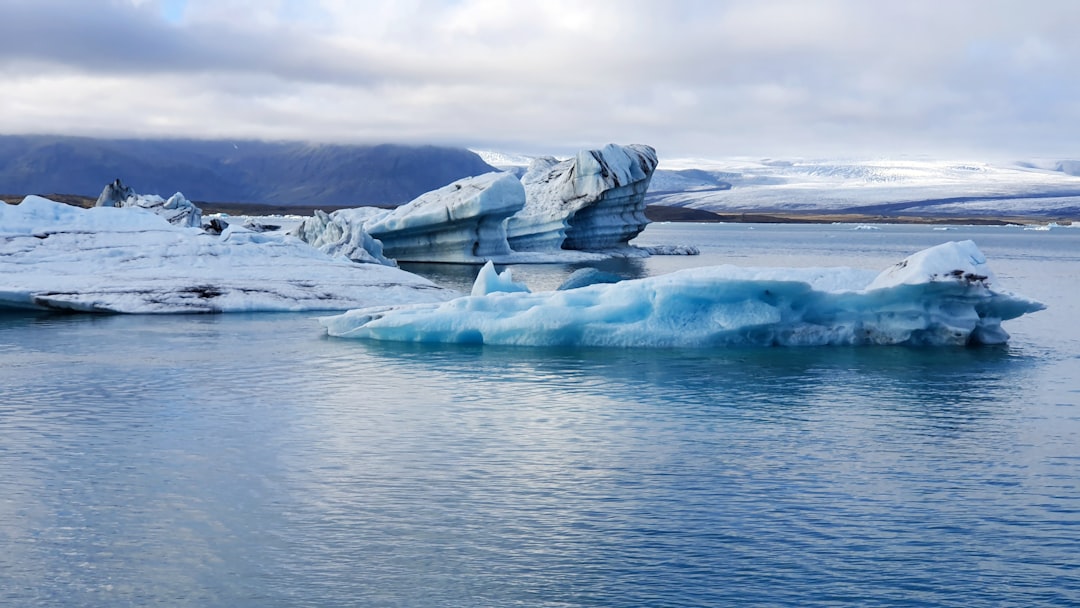
Walking among these blocks of ice is a tactile experience as well as a visual one. Some icebergs are completely transparent, compact like crystal, the result of thousands of years of pressure that has expelled almost all the air. Others are streaked with intense blue or marked by dark veins of volcanic ash, traces of the eruptions that have passed through the glacier over the centuries. It is possible to touch them, observe them up close, feel the dry cold they emit even on the mildest summer days.
The fauna of the lagoon: seals, birds, and the rhythm of the tides
The seals are the undisputed protagonists of Jökulsárlón. The most common species are the common seal (Phoca vitulina) and the gray seal (Halichoerus grypus), both present all year round. The best time to observe them is during low tide, when they tend to concentrate near the mouth of the lagoon, where the channel meets the Atlantic Ocean. From that same mouth, salty waters enter and exit, creating a transitional ecosystem that supports a great variety of fish, particularly sea trout and capelin, a fundamental forage fish for the entire local food chain.
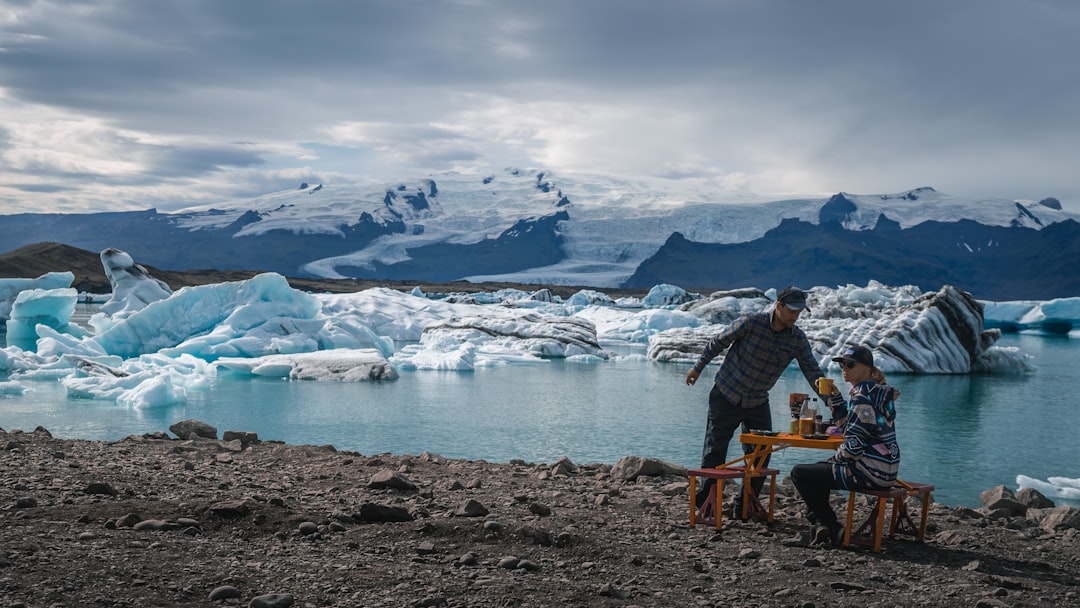
In summer, between May and August, the lagoon becomes a nesting territory for the arctic terns, migratory birds that undertake one of the longest journeys in the animal kingdom each year — from Antarctica to the Arctic and back. They are aggressive birds in defending their nests, and it is not uncommon for them to dive towards visitors who get too close. Wearing a hat or holding a stick above your head is the traditional method to deter them.
I tours by boat and how to organize the visit
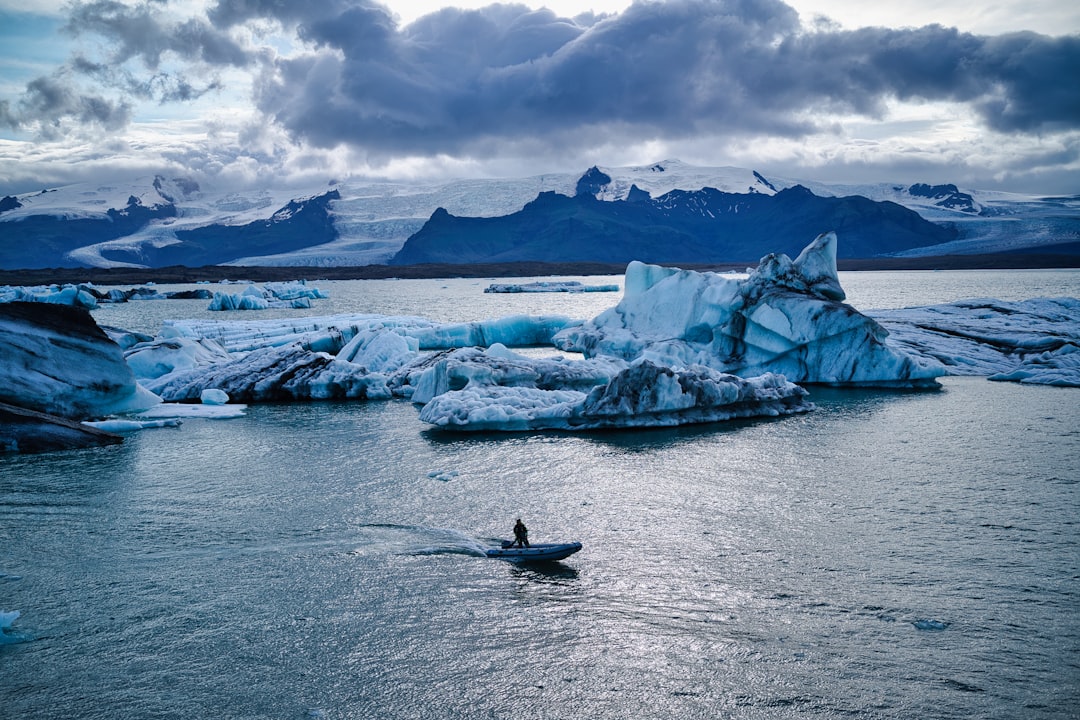
The boat excursions on the lagoon are managed by local operators who use amphibious vessels, capable of navigating on water and coming ashore. The typical duration of a tour is about 40 minutes and prices range around 6,000-7,000 Icelandic crowns per person. The tours allow you to get close to the icebergs safely and observe the glacier wall from a perspective impossible from the shore.
The most useful practical advice is to arrive at the lagoon in the early morning hours, preferably before 9:00 AM. The buses organized from Reykjavík tend to arrive between 10:30 AM and 12:00 PM, and the main parking lot fills up quickly. The morning light, on clear days, illuminates the icebergs from the east creating reflections that disappear in the afternoon. For those traveling independently along the Ring Road, Jökulsárlón is located at about kilometer 375 of Route 1: the sign is visible from the road and parking is free on both sides.
The context of climate change
Visiting Jökulsárlón today also means confronting a reality in transformation. The Breiðamerkurjökull glacier has significantly retreated over the course of the 20th and 21st centuries, and the lagoon has grown accordingly: in the 1950s it was a small puddle, today it covers an area of about 18 square kilometers. The icebergs that can be seen floating are literally pieces of a world that is shrinking. This does not diminish the beauty of the place, but adds a layer of meaning that is hard to ignore while walking on the black sand next to a centuries-old block of ice.


