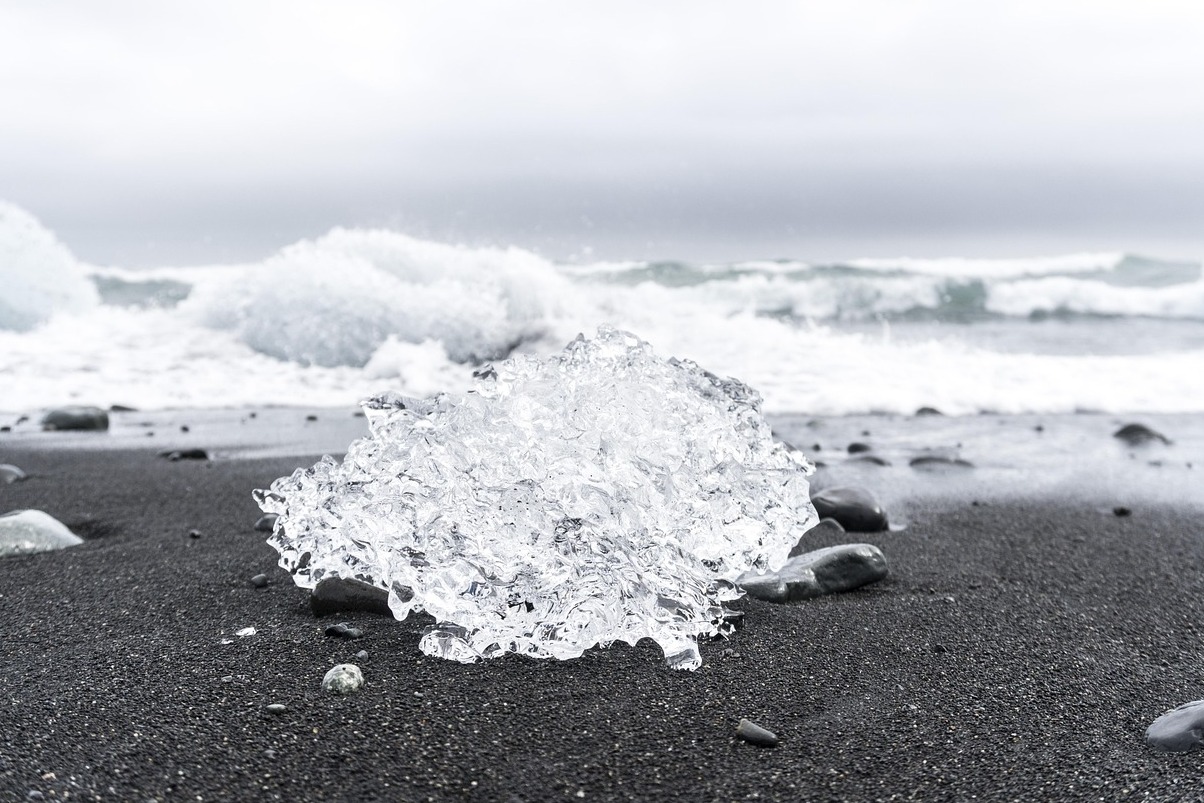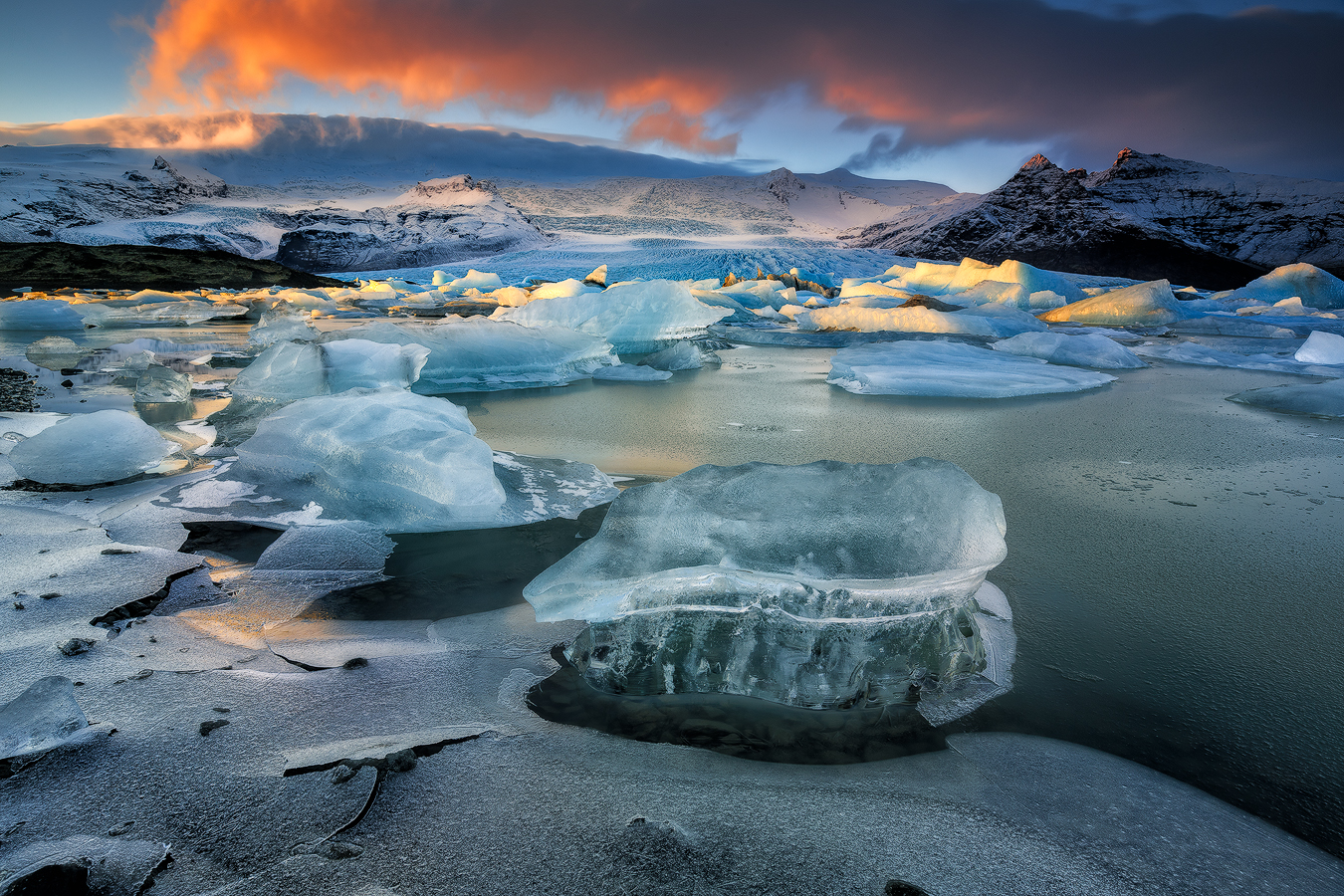

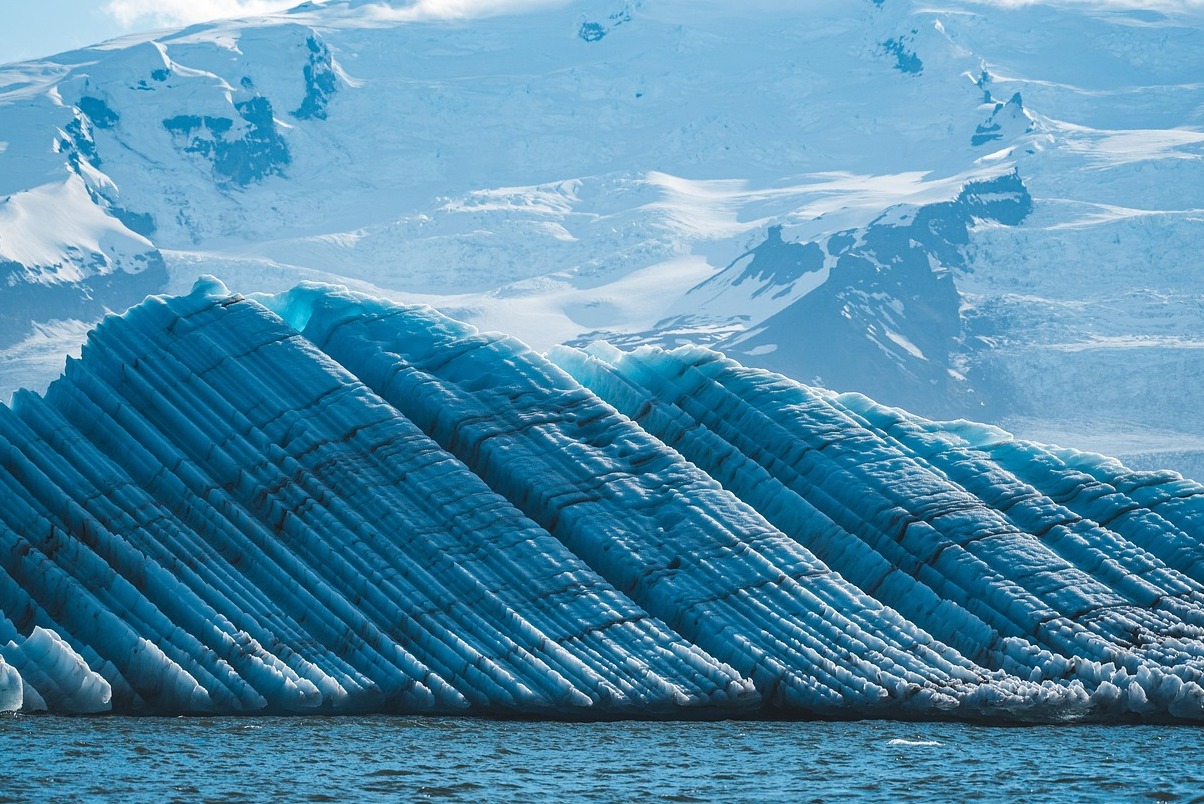
So exactly what color is an iceberg? Those who have never seen one might expect it to be white or transparent, like an ice cube. However, seasoned travelers assert that an iceberg is usually pale blue in hue, often adorned with a blanket of white snow. Yet only those who have ventured to Jökulsárlón, Iceland’s famous glacial lagoon, can confidently proclaim that, in some cases, icebergs are strikingly blue with black stripes, a wonder of nature that defies simple explanation.
### History and Origins
Jökulsárlón has a fascinating history that intertwines with the last Ice Age. This glacial lagoon was formed approximately 80 years ago, an outcome of the retreat of the Breiðamerkurjökull glacier, an outlet from the vast Vatnajökull glacier. The lagoon has steadily grown over the decades, now spanning over 18 square kilometers and reaching depths of over 200 meters in some areas. The name Jökulsárlón translates to "glacial river lagoon," aptly reflecting the stunning landscape where icebergs drift serenely, slowly melting into the Atlantic Ocean.
As the glacier retreated, it created a spectacular landscape filled with floating icebergs, each with its own character and color. The lagoon has become a site of significant scientific research, providing insights into climate change and glacial movements. The mesmerizing beauty of Jökulsárlón has also made it a popular filming location, featured in movies like *Die Another Day* and *Interstellar*, showcasing its surreal and otherworldly charm.
### Art and Architecture
Though Jökulsárlón is primarily known for its natural beauty, the artistry of the surrounding landscape is undeniable. The architectural style of the visitor center is modern yet unobtrusive, harmonizing with the pristine environment. Designed to maximize views of the lagoon, it features large glass windows that frame the breathtaking scenery, allowing guests to immerse themselves in the glacial landscape.
While the icebergs themselves are nature's artwork, local artists often draw inspiration from this magical locale. Photographers, painters, and sculptors capture the ever-changing hues and forms of the ice, creating a dialogue between the natural world and human creativity. Exhibitions featuring works inspired by Jökulsárlón can be found in nearby towns like Höfn, where local culture thrives through artistic expression.
### Local Culture and Traditions
The culture surrounding Jökulsárlón is steeped in the rich traditions of Icelandic heritage. While the lagoon itself is a newer phenomenon, the nearby communities have deep roots, with Höfn being known for its fishing and agricultural practices. The annual Lamb Festival, celebrated in late summer, showcases local culinary traditions, including lamb dishes that reflect the region's agricultural bounty.
The Icelandic people have a profound respect for nature, a sentiment echoed in their folklore and mythology. Tales of elves and hidden people are interwoven with the landscape, and many locals believe that certain natural formations are home to these mystical beings. This cultural connection to the land enhances the experience of visiting Jökulsárlón, as travelers are encouraged to appreciate not only the beauty but also the stories that define this unique place.
### Gastronomy
The gastronomy of the region offers a taste of Icelandic tradition, characterized by fresh, local ingredients. In Höfn, renowned for its lobster, visitors can indulge in the famous Humar, or Icelandic lobster, often served alongside traditional dishes like kjötsúpa (lamb soup) and skyr (a creamy dairy product). Dining options near Jökulsárlón vary from cozy cafes to upscale restaurants, all emphasizing the importance of local produce and seafood.
For those eager to try something uniquely Icelandic, pylsur (Icelandic hot dogs) are a must. Often enjoyed with a variety of condiments, they are a beloved street food, perfect for a quick bite before or after exploring the glacier lagoon.
### Lesser-Known Curiosities
While many visitors flock to Jökulsárlón for its well-known glacial beauty, some lesser-known facts might surprise you. The lagoon is home to a diverse range of wildlife, including seals that can often be spotted lounging on the icebergs. For birdwatchers, the area hosts various species, including Arctic terns and puffins during the summer months.
Additionally, the icebergs in the lagoon are not just beautiful; they are also ancient. Some icebergs are thousands of years old, having been formed during the last Ice Age. They carry with them a history that is as profound as it is intriguing, and each iceberg tells a story of time and climate.
### Practical Visitor Information
The best time to visit Jökulsárlón is during the summer months, from June to August, when the weather is milder and the days are long. However, visiting in winter offers a different experience, with the chance to see the Northern Lights illuminating the icy landscape.
When planning your visit, consider taking a boat tour to get up close with the icebergs. These tours provide a unique perspective and often include knowledgeable guides who share insights about the lagoon's ecology and geology. Dress in layers, as weather can change rapidly, and bring a camera—every angle of Jökulsárlón is worth capturing.
As you explore this breathtaking landscape, don’t forget to take a moment to appreciate the stillness and beauty around you. For a more personalized experience, consider using the Secret World app to plan your itinerary and discover hidden gems during your visit.