
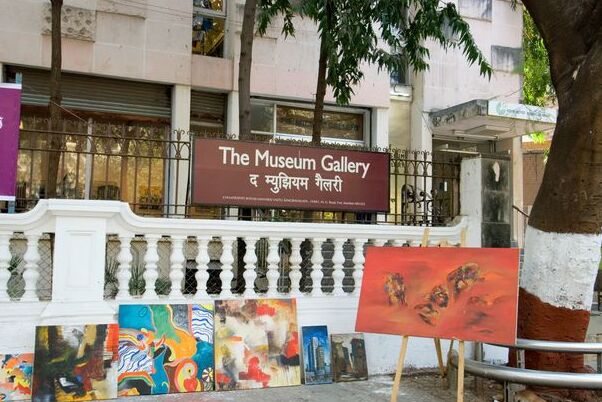

In the bustling metropolis of Mumbai, the Kala Ghoda Art District stands as a beacon of creativity and cultural heritage. Located in the southern part of the city, this vibrant enclave is more than just a neighborhood; it's where history, art, and modernity intertwine. The name 'Kala Ghoda,' meaning 'Black Horse,' harks back to a bygone era when a black stone statue of King Edward VII mounted on a horse dominated the area. Although the statue has since been relocated, the name endures, evoking images of a rich and storied past.
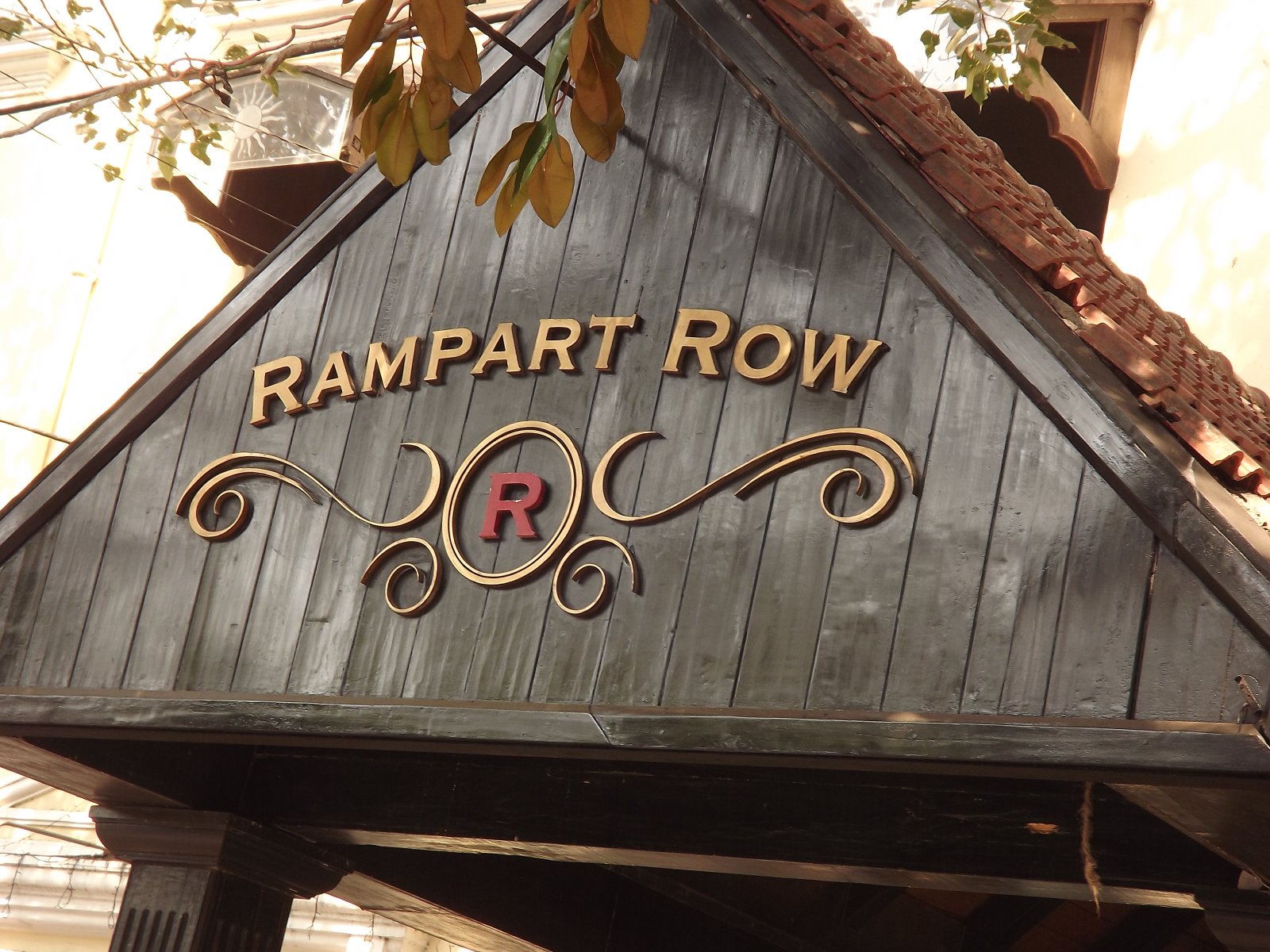
The history of Kala Ghoda is deeply interwoven with Mumbai's colonial past. The district began to take shape in the 19th century as the British established this crescent-shaped area as a cultural hub. Over the years, it blossomed with the establishment of notable institutions like the Jehangir Art Gallery, built in 1952, which remains a cornerstone of Mumbai’s art scene. This gallery, along with the Chhatrapati Shivaji Maharaj Vastu Sangrahalaya (formerly the Prince of Wales Museum), represents the architectural elegance of Indo-Saracenic design, a style that merges Indian architectural elements with Gothic and Victorian influences.
Walking through Kala Ghoda, visitors are greeted with a visual feast of art and architecture. The streets are adorned with pavement galleries showcasing the works of local artists, and the buildings themselves are works of art. The district's architectural landscape is a testament to Mumbai's eclectic history, featuring a blend of Gothic, Victorian, and Art Deco styles. Among the must-see artworks is the 'Statue of the Common Man' by acclaimed cartoonist R.K. Laxman, which captures the spirit of the everyday Mumbaikar with humor and poignancy.
Culturally, Kala Ghoda is a microcosm of Mumbai’s diverse heritage. The annual Kala Ghoda Arts Festival, held every February, transforms the district into a vibrant carnival of creativity. Over nine days, the festival celebrates various forms of art, including dance, music, theater, and cinema. It’s a time when the streets come alive with performances, installations, and workshops, drawing artists and visitors from across the globe.
The culinary delights of Kala Ghoda are as varied as its artistic offerings. The district is home to some of Mumbai's most beloved eateries. A visit to Kala Ghoda Café or Trishna will introduce you to the rich flavors of Parsi cuisine and seafood delicacies that Mumbai is famous for. Don't miss the chance to savor a hot cup of Irani chai paired with a buttery bun maska at one of the local cafes.
Beyond its well-trodden paths, Kala Ghoda harbors secrets that intrigue the curious traveler. Not many know that the David Sassoon Library, a stunning Gothic structure, houses a rare collection of books dating back to the colonial era. Another hidden gem is the Keneseth Eliyahoo Synagogue, a striking blue building that reflects the vibrant Jewish history of Mumbai.
For those planning a visit, the best time to experience Kala Ghoda is during the cooler months from November to February. This is when the weather is inviting, and the district is at its liveliest with cultural events. As you explore, take your time to wander off the main roads and discover the smaller galleries and independent shops that contribute to the area’s charm.
To truly immerse yourself in the wonders of Kala Ghoda and beyond, the Secret World app offers a personalized AI itinerary to explore Mumbai's hidden gems.


