
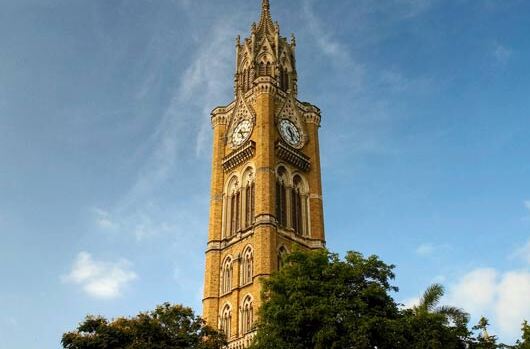

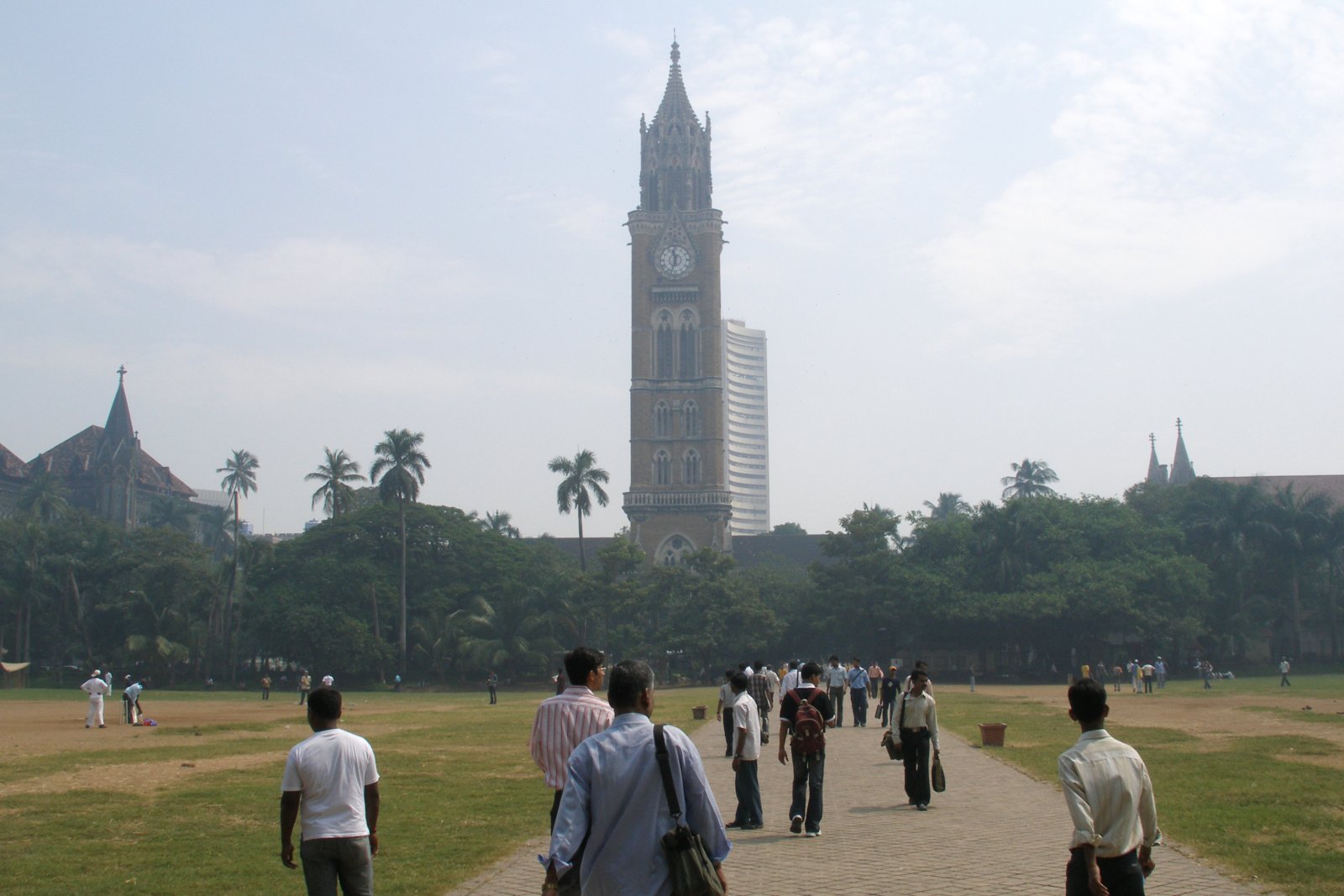
Nestled within the bustling heart of Mumbai, the majestic Rajabhai Clock Tower stands as a testament to the city's rich colonial past and its architectural splendor. Rising gracefully above the verdant expanse of the University of Mumbai's Fort campus, the tower is not just a timekeeper but a storyteller, narrating tales from the days of the British Raj and the vision of its benefactor.
The history of the Rajabhai Clock Tower is inextricably linked to Premchand Roychand, a prominent stockbroker of the Bombay Stock Exchange in the 19th century. Roychand's mother, Rajabhai, was visually impaired and relied on the sound of a nearby cathedral's clock to know the time. Moved by her plight, Roychand financed the construction of the tower, which would later be named in her honor. Designed by the celebrated British architect Sir George Gilbert Scott—known for his work on the Albert Memorial in London—the tower was completed in 1878, standing as a symbol of love and philanthropy.
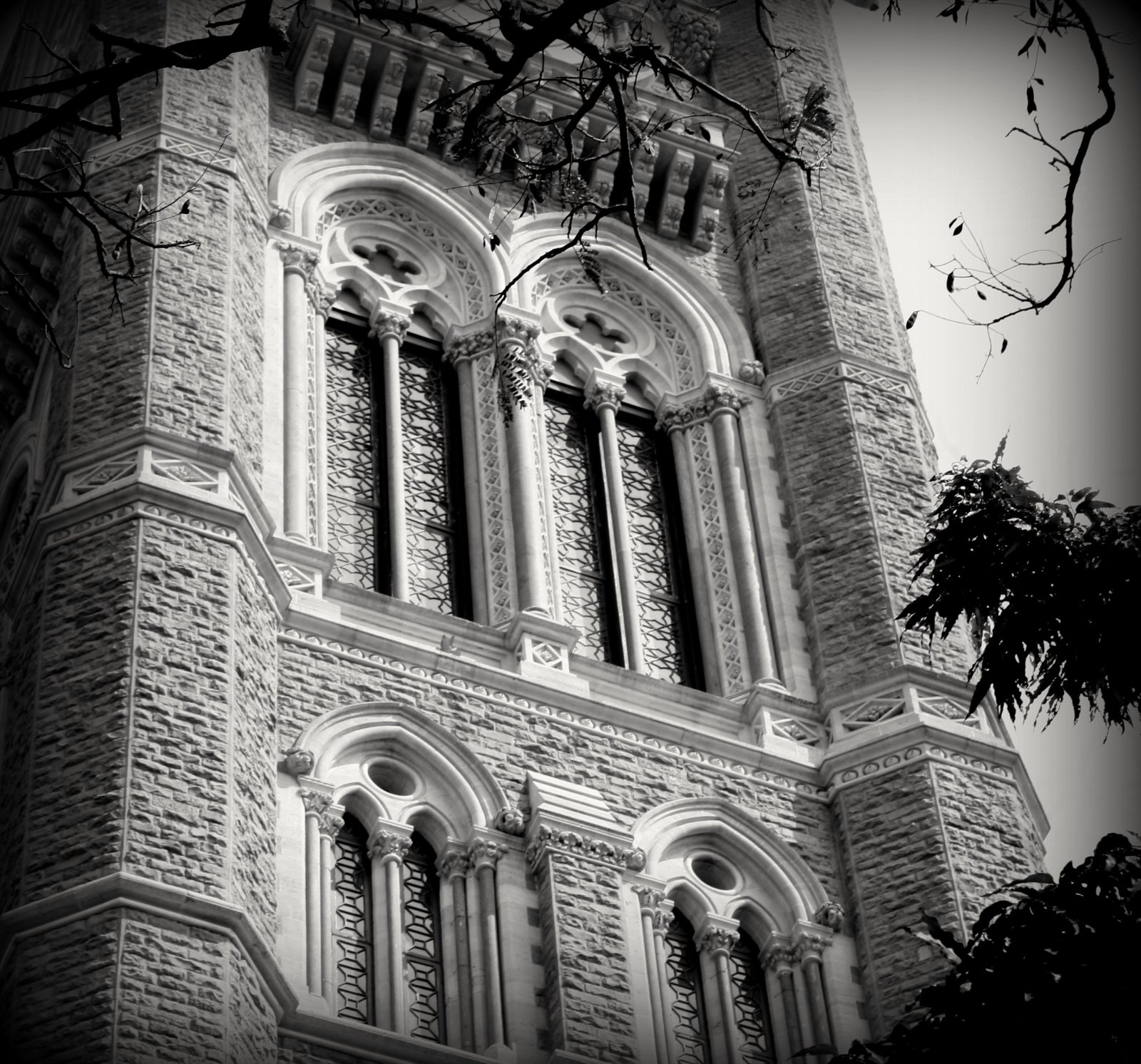
Architecturally, the Rajabhai Clock Tower is a captivating confluence of Venetian and Gothic styles. Its intricate stone carvings and stained-glass windows echo the elegance of Venetian palazzos, while its spire and pointed arches bear the hallmarks of Gothic revivalism. The tower soars to a height of 85 meters, adorned with ornate sculptures and intricate detailing, making it a visual delight for architecture enthusiasts. The clock itself, with its original mechanism sourced from London, used to chime every fifteen minutes, though today it rings less frequently.
Culturally, the Rajabhai Clock Tower is an integral part of Mumbai's vibrant tapestry. Though the tower itself doesn't host events, it stands amid a city brimming with cultural festivities. From the grand celebrations of Ganesh Chaturthi to the artistic showcase of the Kala Ghoda Arts Festival, the surrounding area is a hub of cultural dynamism. The tower's presence is a silent witness to these events, reflecting Mumbai's seamless blend of tradition and modernity.
For those keen on exploring the gastronomic delights of Mumbai, the area around the University is a treasure trove. Sample local street foods like vada pav—a spicy potato filling sandwiched in a bun, or indulge in pav bhaji, a buttery vegetable mash served with soft bread. Nearby, the bustling Colaba Causeway offers a myriad of dining options, from authentic Maharashtrian cuisine to global culinary experiences.
Beyond its prominent features, the Rajabhai Clock Tower harbors intriguing stories that often escape the casual observer. One of the most fascinating aspects is its construction funding: besides Roychand's philanthropy, the project was also supported by the Bombay Stock Exchange, showcasing the significant role finance played in the urban development of that era. Furthermore, the tower's design was inspired by the Big Ben in London, symbolizing the colonial links between India and Britain during the period.
Visiting the Rajabhai Clock Tower is best during the cooler months from November to February when Mumbai's weather is pleasant. While the interior is not open to the public, one can admire its grandeur from the university gardens and capture striking photographs, especially during the golden hours of sunrise or sunset. It's advisable to combine the visit with a tour of the nearby Chhatrapati Shivaji Maharaj Vastu Sangrahalaya (formerly the Prince of Wales Museum) for a full day of historical exploration.
Discovering the nuances of Mumbai is made easy with personalized insights through the Secret World app, making your travel experience truly unique.


