
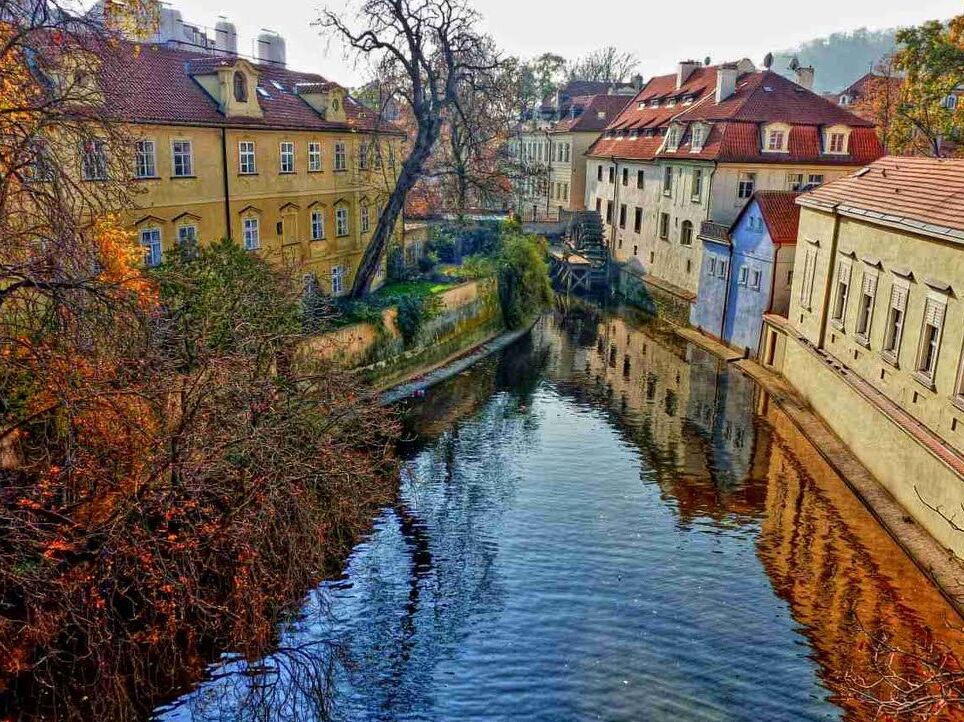

Nestled in the heart of Prague, Kampa Island is often referred to as the city's own little Venice, a serene refuge that feels worlds apart from the bustling streets above. Its enchanting charm, accentuated by meandering waterways and lush green spaces, provides a glimpse into the city's rich history and artistic soul.
The history of Kampa dates back to at least 1169, first noted in a charter concerning the church of the Maltese Order. This period marked the reign of King Vladislav II, when the island began to establish its identity. Over time, Kampa transformed from a mere piece of land into a vibrant hub of activity. The name itself is shrouded in mystery; while it may derive from the Latin word "campus," meaning field, some suggest it refers to Tychon Gansgeb, a 17th-century resident, or even the term "zákampí," meaning "in the shade." Such etymological enigmas add to the island's allure, inviting visitors to ponder its storied past.
Kampa's art and architecture mirror the island's historical significance. The most striking feature is the Grand Prior's Mill, which boasts a massive wheel that has graced the landscape since 1400. This medieval structure stands as a testament to the island's industrious past. The architecture here varies from charming old houses with pastel facades to contemporary art installations, reflecting the seamless blend of history and modern creativity. Among the notable artworks is the whimsical Kampa Museum, which houses a remarkable collection of modern art, particularly focused on Czech artists. The island serves as a canvas for both historical and contemporary expressions, making it a cultural treasure.
Local culture and traditions are deeply rooted in the rhythms of life on Kampa. The island often hosts various festivals, including the Kampa Park Festival, celebrating local artists and musicians. This lively event showcases traditional Czech performances alongside contemporary acts, creating an atmosphere of unity and creativity. The tranquil park areas are frequented by locals and visitors alike, who gather for picnics, outdoor concerts, and art exhibitions, ensuring that Kampa remains a vibrant part of Prague’s cultural landscape.
When it comes to gastronomy, Kampa Island is not short on delightful offerings. Visitors can savor traditional Czech dishes at local eateries, where goulash, svíčková (marinated beef), and fresh trdelník pastries are often on the menu. Pair your meal with a glass of Pilsner Urquell or a locally brewed craft beer to truly indulge in the culinary heritage of the region. For a sweet treat, don’t miss the opportunity to try koláče, a pastry filled with fruits or cheese, often enjoyed during festivals and gatherings.
Among the island's lesser-known curiosities is the story behind the Čertovka, an artificial waterway that adds to Kampa's charm. Initially named the Rožmberk Channel in 1585, it was renamed Čertovka due to the nearby house, U sedmi čertů (House of the Seven Devils). This name reflects the rich folklore of the area, where tales of devils and spirits still echo among the cobblestone streets. Additionally, Kampa is home to unique street art and installations that often go unnoticed by the casual observer, inviting a closer look at the island’s vibrant urban landscape.
The best time to visit Kampa Island is during the spring and early autumn months, when the weather is mild, and the gardens are in full bloom. Early mornings or late afternoons offer a quieter experience, perfect for strolling along the riverbanks or enjoying a peaceful picnic. When you visit, take the time to explore beyond the obvious. Look for the intricately painted murals, find a cozy café, or simply sit by the water and soak in the tranquility.
For those planning their journey, be sure to wear comfortable shoes, as the best way to experience Kampa is on foot. Don't forget your camera; the picturesque scenery is perfect for capturing memories.
To fully embrace the charm of Kampa Island, consider using the Secret World app to plan a personalized AI itinerary that guides you through this enchanting locale.


