
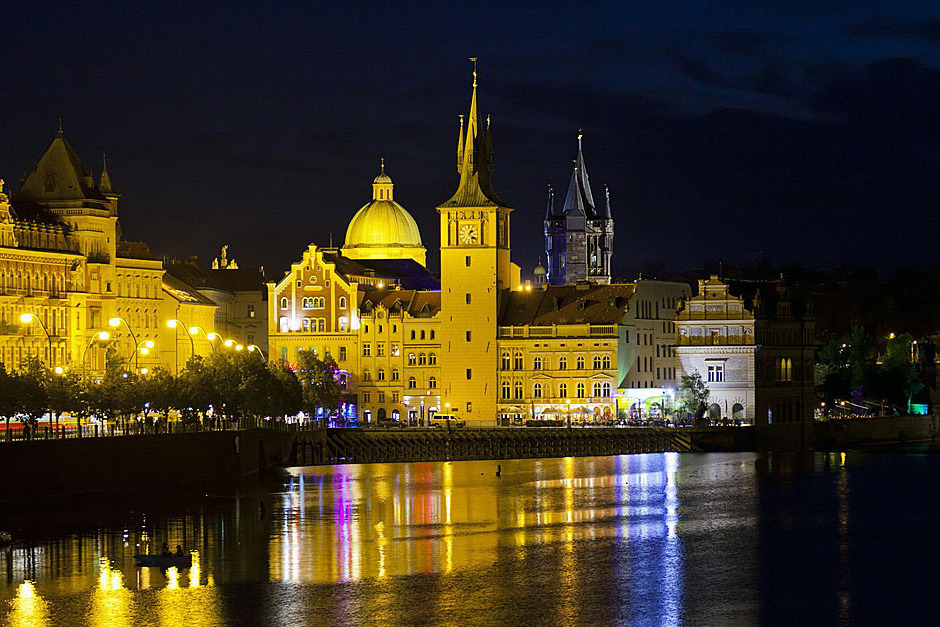

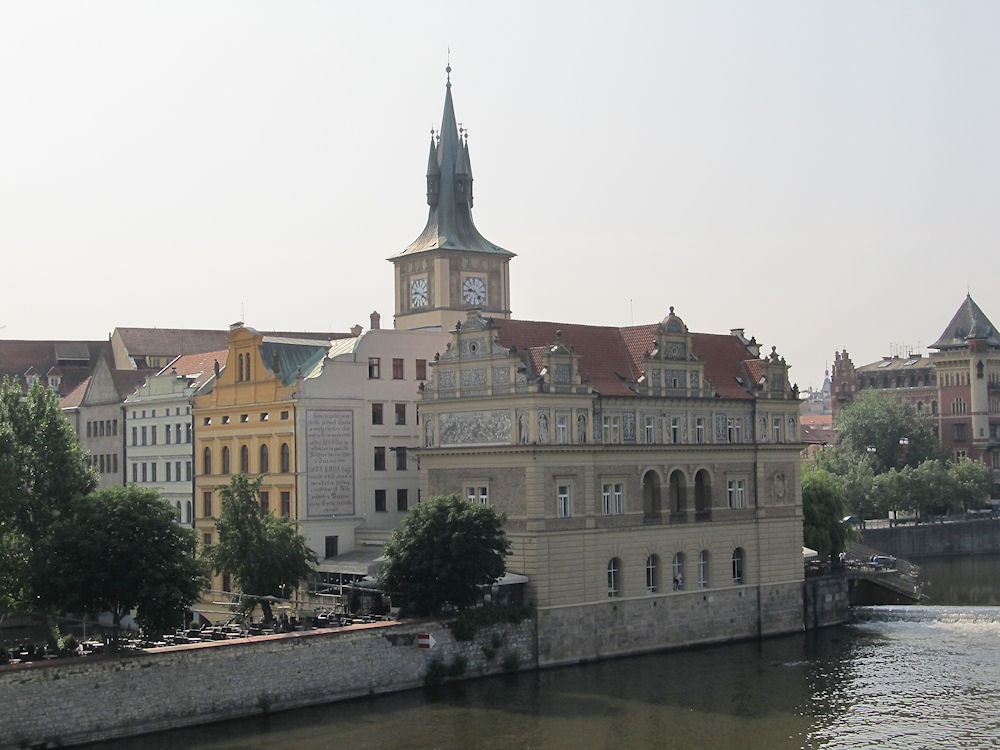
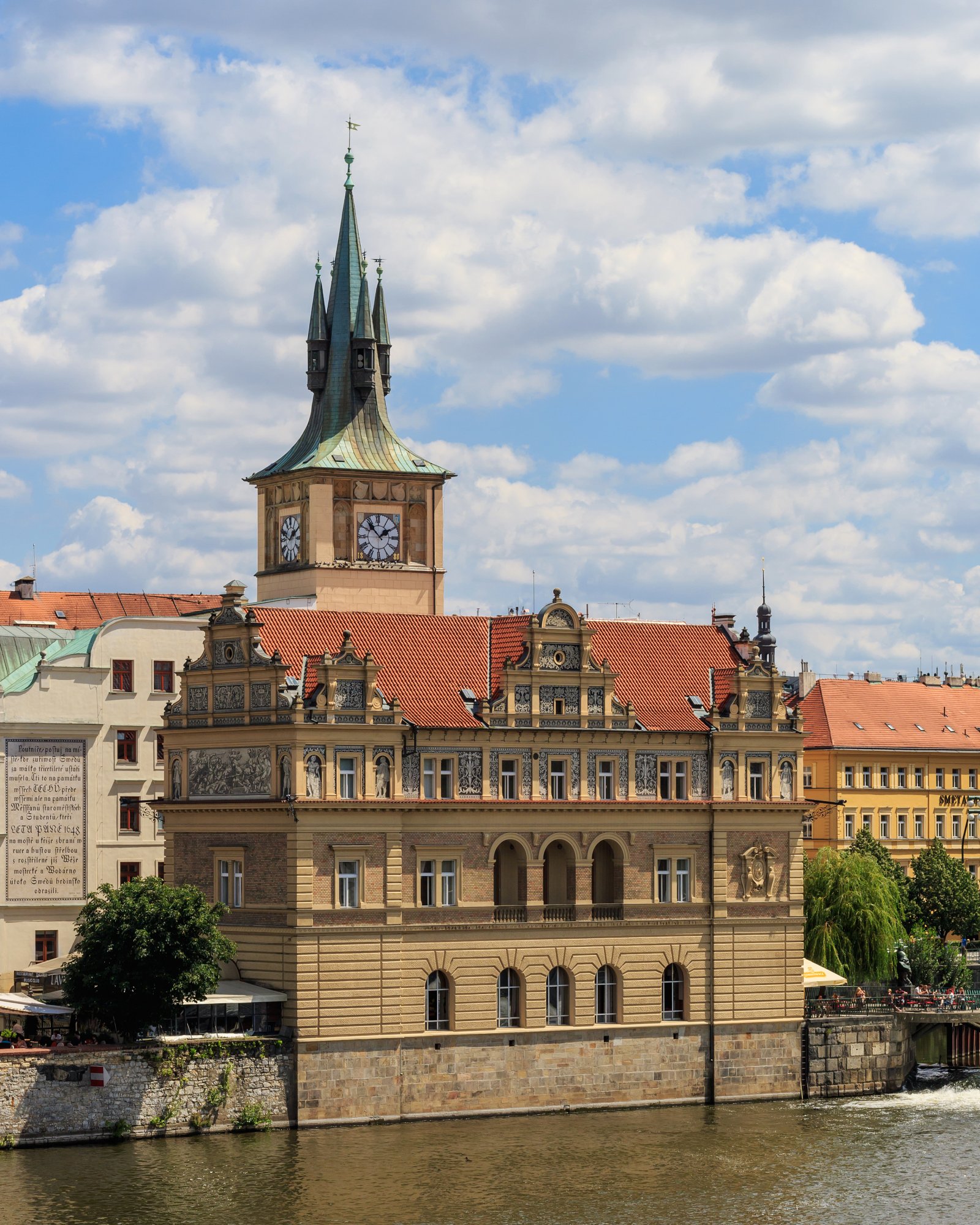
Nestled along the banks of the Vltava River, the Bedřich Smetana Museum in Prague stands as a testament to the life and legacy of one of the Czech Republic's most revered composers. Opened in 1936, the museum occupies a striking Renaissance-style building that once served as the headquarters for the Prague Water Company. This prime location near the iconic Charles Bridge allows visitors to immerse themselves in the rich tapestry of Czech history while exploring the artistic contributions of Bedřich Smetana (1824–1884), often hailed as the father of Czech music.
History and Origins The roots of the Bedřich Smetana Museum can be traced back to Smetana’s profound impact on Czech national identity through music. Born in Pilsen, Smetana was instrumental in creating a distinctive Czech sound, drawing inspiration from the landscapes and folklore of his homeland. Following his death in 1884, there was a growing desire to honor his contributions. In 1936, the museum was officially established, encapsulating Smetana's life, from his early compositions to his later masterpieces, such as “The Bartered Bride” and the symphonic poem “Vltava.” The museum not only serves as a tribute but also as a repository of Smetana's manuscripts, letters, and personal items, allowing visitors a glimpse into the life of a musical genius.
Art and Architecture The museum is housed in an impressive Renaissance building, characterized by elaborate facades and a grand entrance. The architecture itself reflects the artistic heritage of Prague, with intricate details that speak to the city’s storied past. Inside, visitors will find various exhibits, including original scores, personal artifacts, and contemporaneous artwork that contextualizes Smetana's work within the broader landscape of 19th-century Czech culture. Notably, the museum features a beautifully restored performance hall where classical concerts and recitals often take place, enhancing the immersive experience for music lovers.
Local Culture and Traditions The cultural significance of the Bedřich Smetana Museum extends beyond its walls. Nearby, the Vltava River is central to local life, with traditional boat rides and festivals celebrating Czech music and dance. One such festival is Prague's Spring International Music Festival, held annually in May, which often includes performances of Smetana's works. This event attracts audiences worldwide and showcases the enduring legacy of Czech music within the global classical repertoire. Additionally, the museum itself frequently hosts workshops and lectures that delve into the nuances of Smetana's influence on contemporary music.
Gastronomy No visit to Prague would be complete without indulging in local gastronomy. Just a stone's throw from the museum, traditional Czech fare awaits. Delight in dishes such as svíčková, a creamy sauce served with marinated beef, or trdelník, a sweet pastry often enjoyed as a street snack. Pair your meal with a glass of pilsner, the world-famous beer that originated in Smetana’s hometown, or sample a local moravian wine. The culinary scene here reflects the heart of Czech culture, where food and music come together in a harmonious celebration of tradition.
Lesser-known Curiosities While many visitors flock to the museum to admire Smetana's compositions, few realize that Smetana was also a passionate advocate for Czech nationalism. His works often incorporated folk themes and melodies, a bold statement during a time when Czech identity was overshadowed by the Austro-Hungarian Empire. Furthermore, Smetana suffered from deafness in his later years, yet he continued to compose, demonstrating his unwavering dedication to music. Hidden within the museum is a collection of letters detailing his struggles, which adds a deeply personal layer to his legacy.
Practical Visitor Information The Bedřich Smetana Museum is open year-round, but the best time to visit is during the spring and early autumn when Prague’s weather is pleasantly mild. Expect to spend at least an hour exploring the exhibits, but classical music enthusiasts may wish to linger longer. Be sure to check the museum’s schedule for special concerts or events that may coincide with your visit. Photography is allowed in most areas, so don’t forget your camera to capture the beauty of the exhibits and the stunning views of the Charles Bridge from the museum’s windows.
Whether you are a fan of classical music, a history buff, or simply curious about Czech culture, the Bedřich Smetana Museum offers a rich tapestry of experiences waiting to be uncovered. As you plan your visit, consider utilizing the Secret World app to create a personalized itinerary that highlights the best of this enchanting city.


