
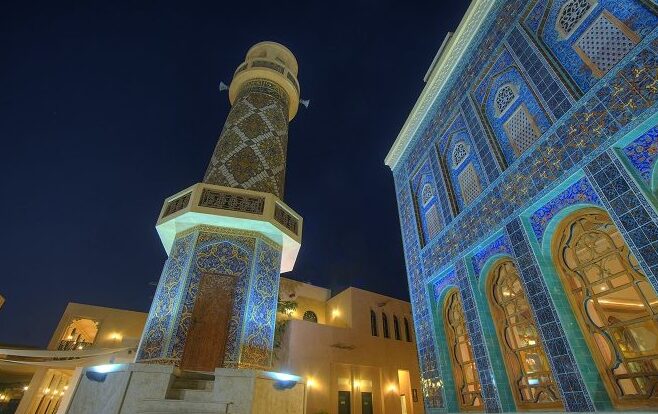

Nestled within the vibrant Katara Cultural Village in western Doha, the Katara Mosque, often referred to as the Blue Mosque of Katara, stands as a stunning testament to Islamic artistry and architecture. This architectural gem not only serves as a place of worship but is also a cultural landmark that draws visitors from around the globe, eager to marvel at its intricate designs and rich symbolism.
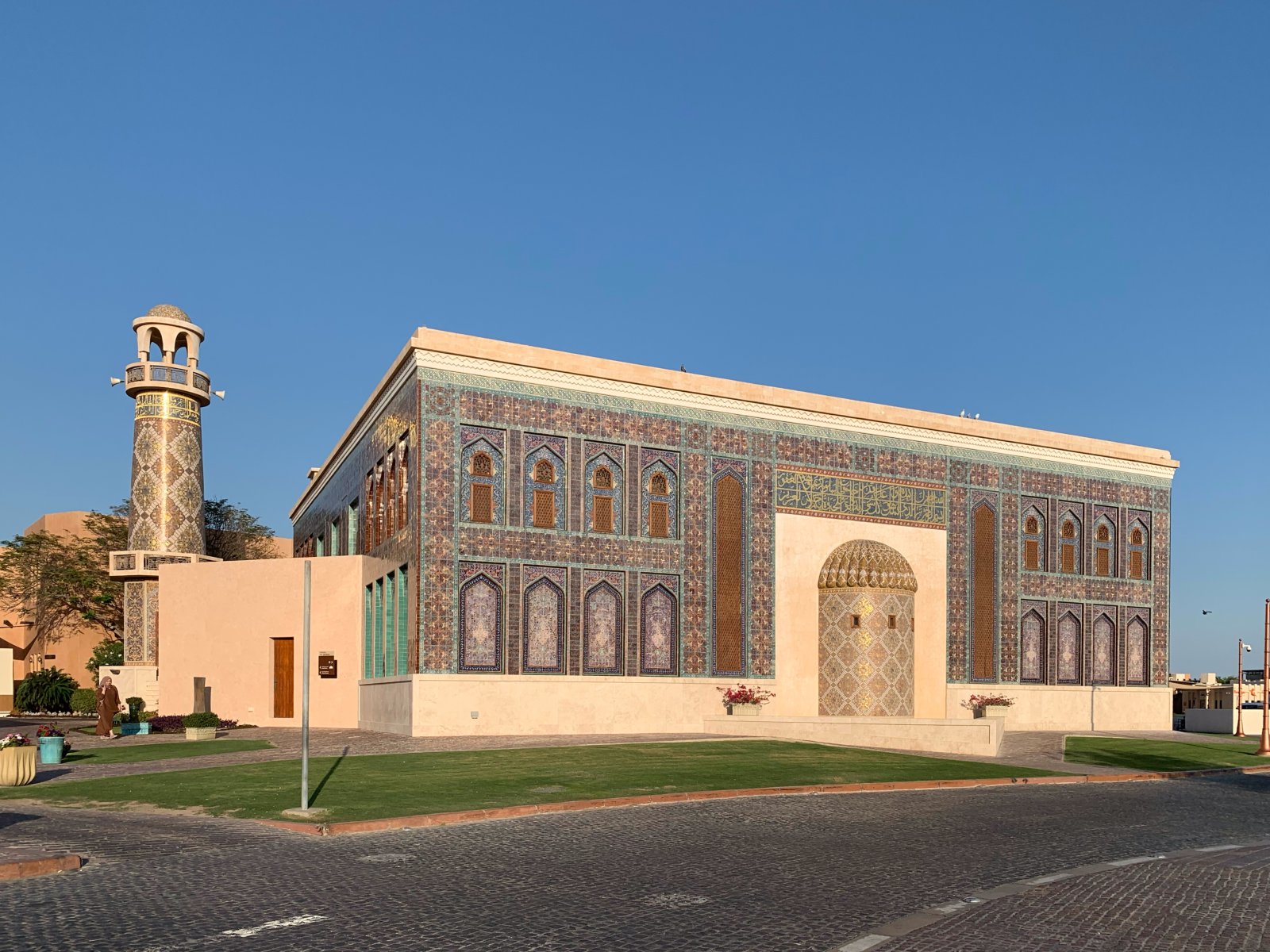
The Katara Mosque was inaugurated in 2012, embodying Qatar's dedication to preserving and promoting its cultural heritage. Its creation is part of a broader initiative to establish Katara Cultural Village as a hub for the arts, education, and community engagement in the heart of Qatar. The mosque was designed by the renowned Turkish architect Zainab Fadil Oglu, whose vision brought together traditional Islamic architecture with contemporary aesthetics. The monumental structure reflects the Islamic faith's emphasis on beauty and spirituality, setting it apart as one of the most beautiful mosques in the region.
The mosque's most striking feature is its predominantly blue façade, adorned with intricate glass mosaic art and hand-painted ceramic tiles. Every detail has been meticulously crafted, with tile work executed by a skilled team of restoration specialists from Istanbul. The MEC artists faced the challenge of experimenting with colors, particularly purple, to fulfill the architect's vision. The result is a breathtaking interplay of hues that shimmer in the sunlight, creating a visually stunning experience for all who visit.
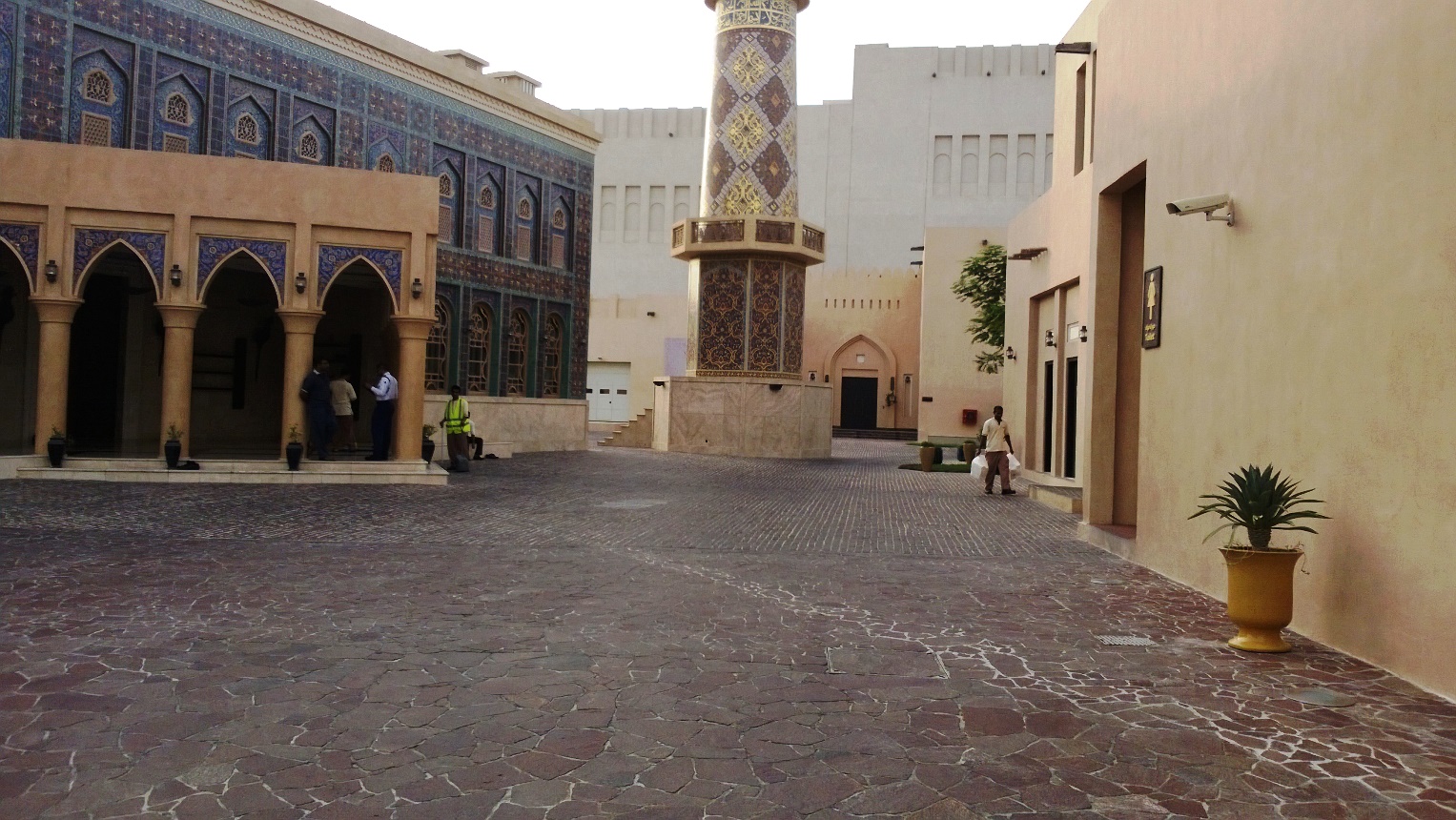
Artistic significance is embedded in the mosque’s design. The intricate mosaic patterns are not just decorative; they feature Arabic calligraphy showcasing verses from the Quran, interwoven with traditional vegetal Islamic motifs. The mihrab, minaret, and domes exhibit golden elements, with panels crafted from actual 24K gold leafed glass mosaic tiles. These artistic choices reflect the Islamic tradition of using art to elevate the spiritual experience and inspire contemplation.
In addition to its architectural grandeur, the Katara Mosque plays a pivotal role in the local culture. It is a site of communal worship and a symbol of the Islamic faith in a nation that embraces its traditions while looking toward the future. Visitors often witness the rituals of daily prayer and gather for special occasions, fostering a sense of community among worshippers. Eid al-Fitr and Eid al-Adha are particularly significant, drawing large crowds as families come together to celebrate and reflect on their faith.
The cultural importance of the mosque extends beyond worship; it is also intertwined with Qatari gastronomy. Just a stone's throw from the mosque, visitors can indulge in local culinary delights at nearby eateries. Traditional dishes such as machbous (a spiced rice dish with meat), shisha (flavored tobacco), and qatari sweets like balaleet (sweet vermicelli) are popular, offering a taste of Qatari hospitality. Many cafes in the area serve refreshing qamar al-din (apricot juice), which is particularly refreshing in the warm climate.
For those keen on exploring lesser-known curiosities, the Katara Mosque holds hidden details that many visitors may overlook. For instance, the calligraphic panels are not merely ornamental; they are designed to inspire spiritual reflection and encourage visitors to engage with the teachings of Islam. Additionally, the decorative elements of the mosque are representative of various Islamic art styles, showcasing how cultural influences have merged over centuries.
Visiting the Katara Mosque is best undertaken during the cooler months from November to March, when temperatures are more accommodating for outdoor exploration. Dress modestly when entering the mosque, as a sign of respect for the sacred space. Don’t miss the opportunity to explore the Katara Cultural Village itself, which features art galleries, performance venues, and a range of shops selling traditional Qatari crafts.
While the Katara Mosque is undoubtedly a highlight, take your time to soak in the surrounding cultural offerings. The harmonious blend of art, architecture, and spirituality makes this place a unique destination in Doha.
To truly enhance your experience in Doha, consider using the Secret World app to craft a personalized AI itinerary for your visit.


