
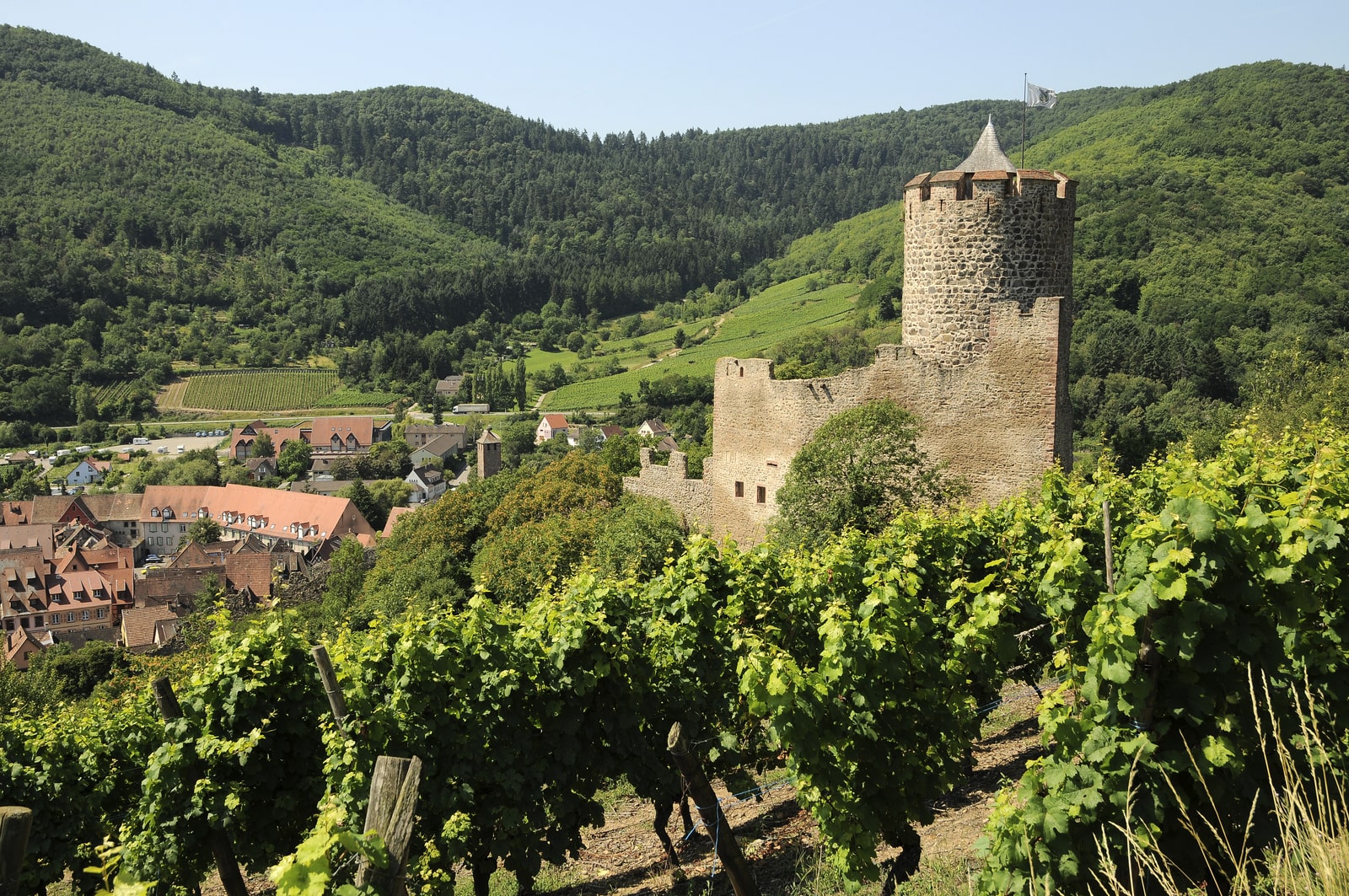

Nestled in the heart of Alsace, the charming village of Kaysersberg offers a picturesque blend of history, culture, and breathtaking landscapes. Known as the gateway to the Route du Vin, this enchanting destination is a treasure trove of experiences waiting to unfold, especially during the vibrant seasons of spring and summer when its lush surroundings come alive.
History and Origins
The roots of Kaysersberg can be traced back to the Roman Empire, when a military camp was established in the region. However, it wasn’t until 1227 that the village was first officially documented. This early mention marked the beginning of its transformation under the rule of the Holy Roman Emperor, who commissioned the construction of a formidable fortress. This stronghold not only served as a protective measure but also catalyzed a period of prosperity and growth for Kaysersberg.

The village flourished through the centuries, but its fortunes took a turn during the Thirty Years' War (1618-1648), which left much of the region in ruins. It wasn’t until the French Revolution that Kaysersberg adopted the name Mont-Libre, reflecting its newfound ideals of freedom. The resilience of its people shone through as they gradually rebuilt their beloved village. After suffering damage again during World War II, Kaysersberg emerged, more vibrant than ever, and is today celebrated not only as a scenic spot but also as the birthplace of Albert Schweitzer, the renowned philosopher and physician who was awarded the Nobel Peace Prize in 1952. His former home has since been transformed into a museum that pays homage to his life and legacy.
Art and Architecture
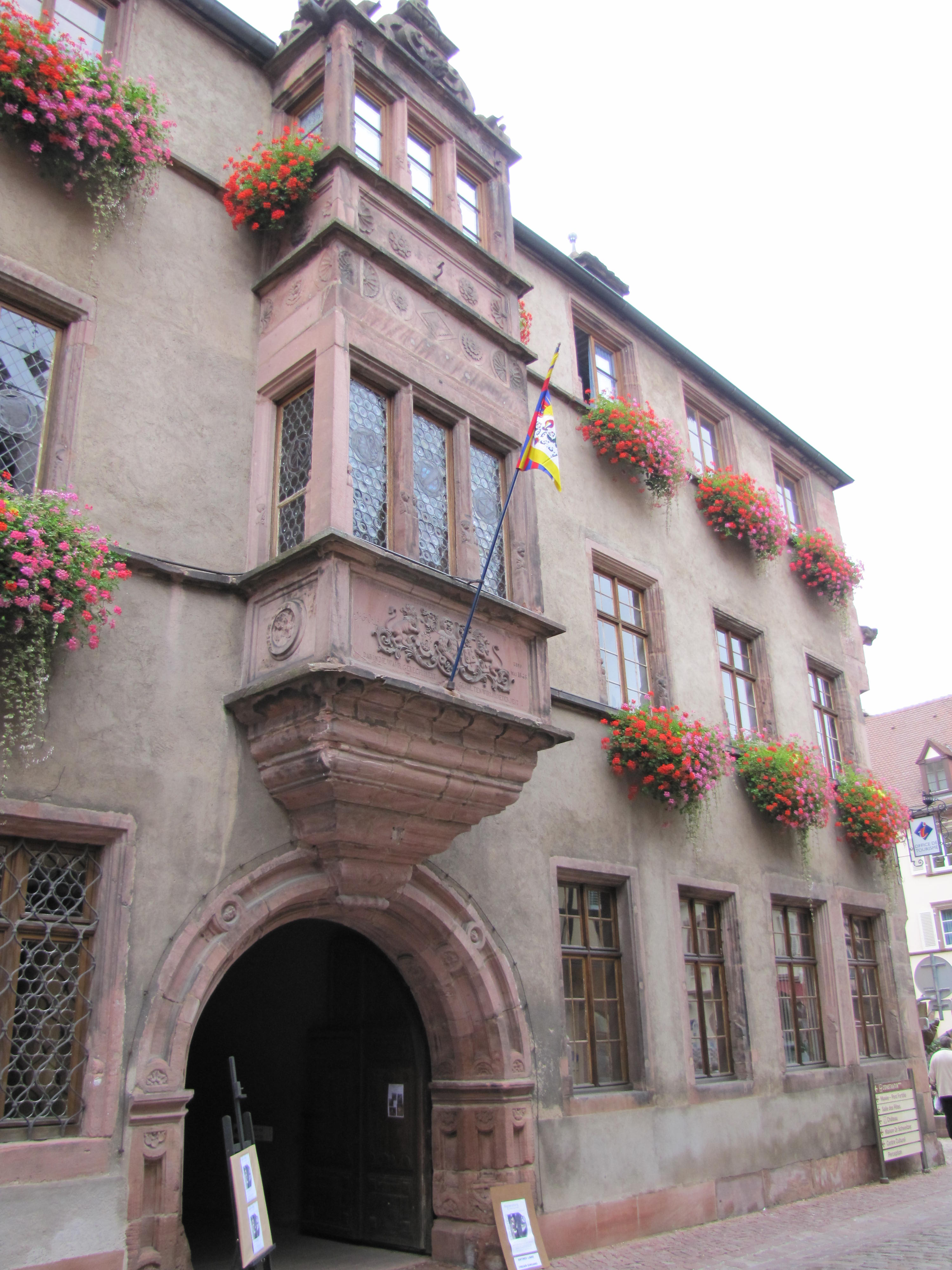
Kaysersberg is a living canvas of medieval architecture. As you stroll through its cobblestone streets, you will be greeted by a stunning array of half-timbered houses, some dating back to the 15th century. The Eglise de Kaysersberg, an impressive Gothic church, stands as a testament to the town's artistic heritage. Its intricate façade and stunning stained glass windows draw visitors into a world of spiritual artistry.
Art enthusiasts will appreciate the Renaissance fountain at the village square, topped with a statue of St. Francis of Assisi, which has become a symbol of the town. The vibrant colors of the buildings, the gently flowing Kaysersberg River, and the stunning backdrop of the Vosges Mountains create a perfect synergy that captures the essence of Alsace’s artistic spirit.
Local Culture and Traditions
Kaysersberg is steeped in rich local traditions that reflect its unique blend of Germanic and French influences. The village is famous for its Christmas market, which transforms the streets into a winter wonderland every December, attracting visitors with its artisanal crafts and seasonal treats. However, outside of the holiday season, spring and summer festivals, such as the Fête de la Musique, celebrate local talent and bring the community together in joyous harmony.
Another cherished tradition is the annual wine festival, which showcases the Alsatian wines that the region is famous for. Visitors can indulge in tastings while enjoying live music and traditional dancing, making it an immersive experience into the local culture.
Gastronomy
The culinary delights of Kaysersberg are not to be overlooked. As part of the Alsace region, the village boasts a rich gastronomy influenced by both French and German cuisines. Tarte flambée—a thin pastry topped with crème fraîche, onions, and bacon—is a must-try local specialty. Pair it with a glass of Gewürztraminer, a fragrant and flavorful white wine produced in the nearby vineyards.
Don’t miss out on sampling Kugelhopf, a delightful brioche-like cake studded with raisins and almonds, often enjoyed with coffee. The flavors of Kaysersberg are a true reflection of its cultural heritage, combining rustic ingredients with refined techniques.
Lesser-known Curiosities
While Kaysersberg is known for its beauty, few are aware of its connection to Albert Schweitzer beyond his museum. His philosophy of “Reverence for Life” resonates throughout the village, inspiring local conservation efforts and sustainable practices. Furthermore, the village’s name translates to “Emperor’s Mountain,” hinting at its historic significance and royal connections.
A hidden gem that often escapes the notice of tourists is the Kaysersberg Castle ruins, perched high above the town. Hiking up to the remains offers not only a glimpse into its medieval past but also breathtaking panoramic views of the vineyards and valleys below.
Practical Visitor Information
The best time to visit Kaysersberg is during the spring and summer months, when the village is ablaze with colors and the local festivities are in full swing. Plan your visit around mid-June for the Fête de la Musique or late August for the wine festival to immerse yourself in local traditions.
When exploring, take the time to wander off the beaten path; the side streets often lead to quaint shops and cafés where you can experience the authentic charm of the village. Don’t forget to visit the museum dedicated to Albert Schweitzer to gain insights into his remarkable life.
Kaysersberg is a destination that effortlessly blends rich history, vibrant culture, and breathtaking landscapes, making it a must-visit on the Route du Vin. For a truly personalized experience, consider using the Secret World app to plan your itinerary tailored to your interests in this enchanting village.


