




Nestled at the crossroads of Western Europe and the Balkans, Trieste stands as a city of contrasts and confluences, a vibrant tapestry of cultures woven together by its rich history and culinary delights. One such delight is the koch, a delectable soufflé-like dish that reflects the city's unique blend of influences.

### History and Origins
Trieste has long been a melting pot of cultures, a legacy visible in its food, architecture, and traditions. Its strategic location along the Adriatic Sea made it a coveted port city, especially during the Austro-Hungarian Empire. Trieste's history is marked by its role as a major trading hub, which brought diverse cultural influences, including culinary ones from Austria, Italy, and the Slavic regions. The koch traces its roots back to these influences, particularly from Austrian culinary traditions, where the dish is known as grießauflauf, or semolina pudding.
### Art and Architecture
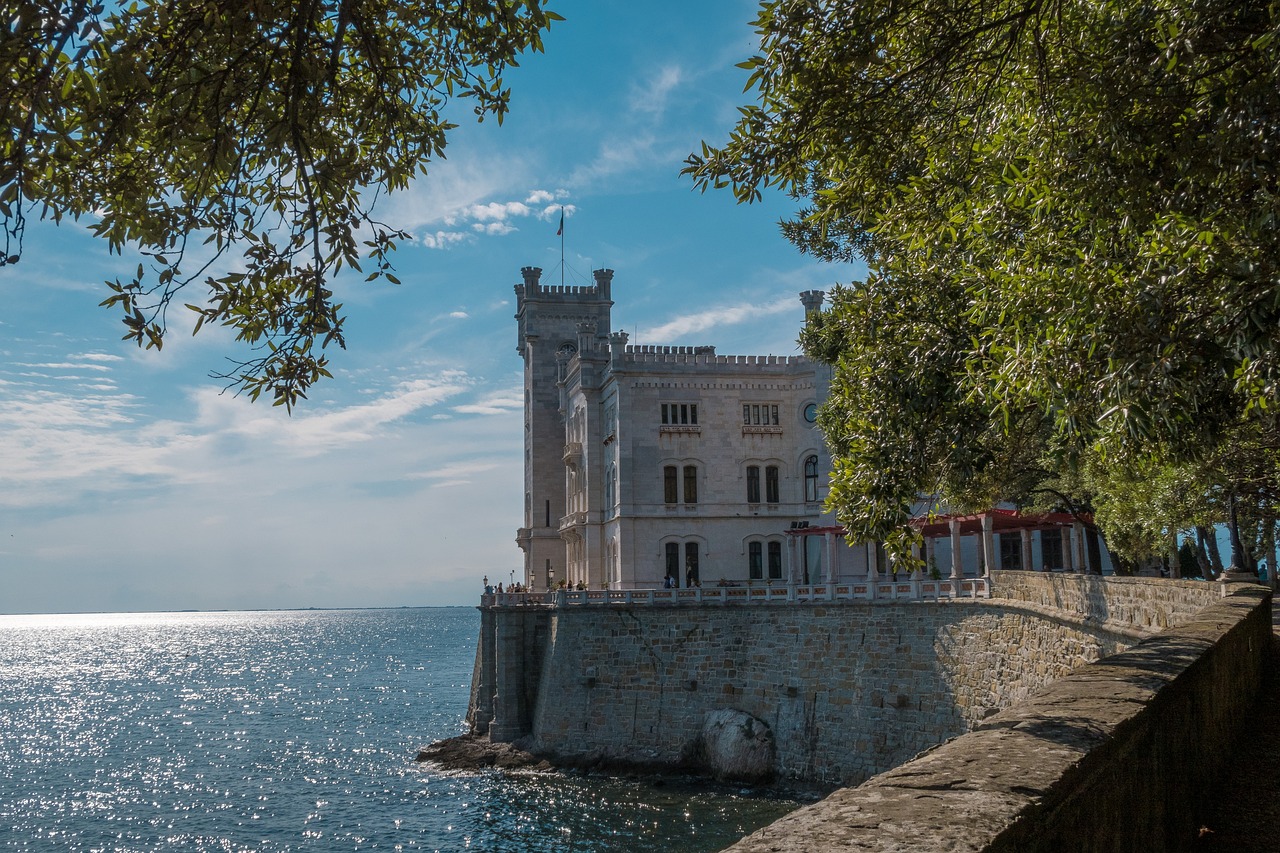
Trieste's architecture is a testimony to its historical significance. The city's skyline is dominated by neoclassical and Baroque buildings, reflecting the grandeur of its past. Notable landmarks like the Piazza Unità d'Italia, one of the largest seafront squares in Europe, showcases its architectural splendor. Inside these grand edifices, you'll often find exquisite artworks, such as those in the Museo Revoltella, which houses 19th-century and contemporary Italian art.
### Local Culture and Traditions
Trieste is a city where cultural traditions are celebrated with fervor. The annual Trieste Film Festival, dedicated to Central and Eastern European cinema, is a highlight in the cultural calendar. Traditional music and dance festivals, such as the Barcolana, the world's largest sailing regatta, illustrate the city's maritime heritage. These events are pivotal in maintaining the city's cultural vibrancy, drawing locals and tourists alike into its cultural embrace.
### Gastronomy
Trieste’s culinary scene offers a delightful journey for food enthusiasts. Besides the beloved koch, the city is known for its Jota, a hearty soup made with sauerkraut, beans, and pork, showcasing its Slavic roots. The influence of neighboring Italy is evident in dishes like Risotto al Nero di Seppia, a squid ink risotto. For dessert lovers, the presnitz, a pastry filled with nuts, dried fruit, and spices, is a must-try, capturing the essence of Trieste’s diverse culinary influences.
### Lesser-known Curiosities
While many visitors flock to Trieste's famous landmarks, some hidden gems often go unnoticed. The Grotta Gigante, the world's largest show cave, offers a fascinating subterranean adventure. For history enthusiasts, the Kleine Berlin, an underground tunnel complex from World War II, provides a haunting glimpse into the city's past. These lesser-known sites tell compelling stories of Trieste's multifaceted history and are well worth the visit.
### Practical Visitor Information
Trieste is best visited in the spring or early autumn when the weather is mild and the city is less crowded. To truly experience the city, wander its historic streets, savor its diverse cuisine, and engage with locals to uncover the city's many stories. Look out for signs of its diverse heritage in the architecture, language, and food.
For a personalized journey through Trieste's rich tapestry, consider using the Secret World app to craft your unique itinerary.
