
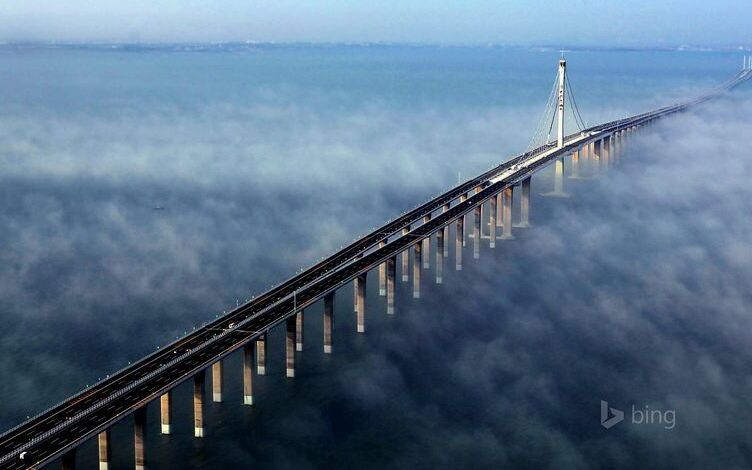

Stretching across the shimmering expanse of Lake Pontchartrain, the Causeway is more than just a bridge; it's a marvel of engineering and a gateway to the vibrant culture of southern Louisiana. As the longest continuous bridge over water in the western hemisphere, the Causeway's striking silhouette has become an iconic symbol of the region, serving as both a practical thoroughfare and a testament to human ingenuity.
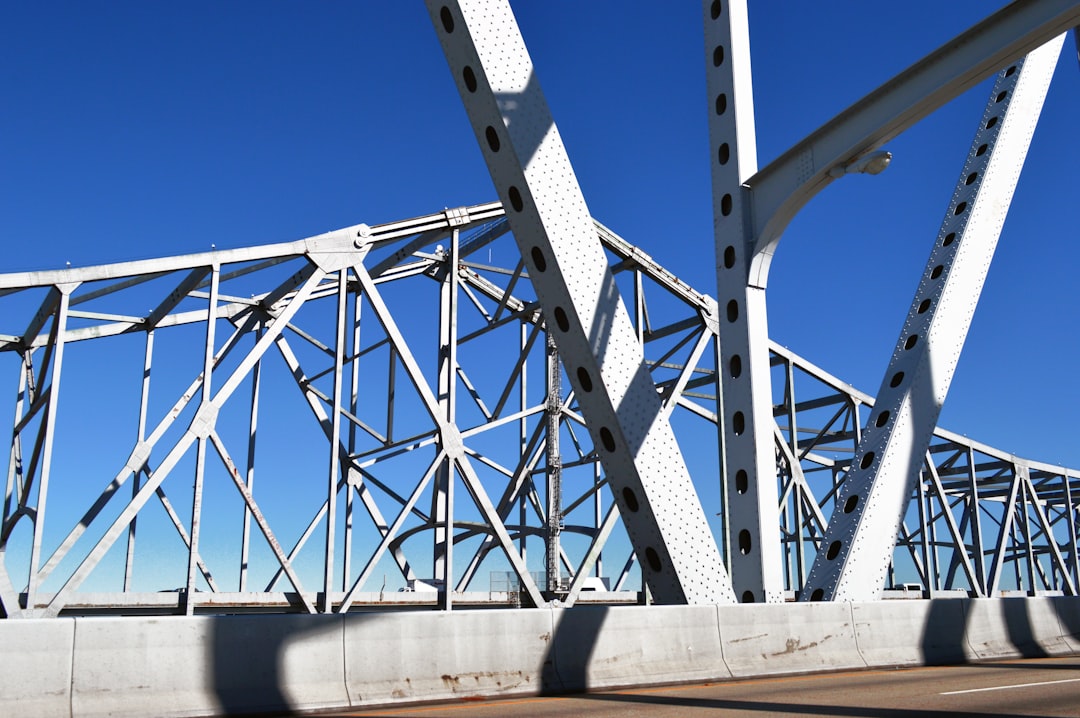
The history of Lake Pontchartrain is steeped in the rich tapestry of Louisiana's past. Named after the French Minister of the Marine, the Count of Pontchartrain, the lake has been a vital part of local life since indigenous tribes first inhabited the area. These early inhabitants understood the lake's significance, using its waters for sustenance and transportation long before the arrival of European settlers. The modern Causeway, however, was born out of necessity in the 20th century. Completed in 1956, the bridge originally consisted of two lanes, with a parallel span added in 1969 to accommodate increasing traffic, reflecting the region's burgeoning growth and economic development.
Architecturally, the Lake Pontchartrain Causeway is a feat of mid-century engineering. Designed to withstand the sometimes tumultuous weather of the Gulf Coast, the bridge's construction involved over 9,500 concrete pilings driven deep into the lakebed. Its simple, utilitarian design emphasizes function over form, yet standing on this expanse, with water stretching to the horizon, has a certain poetic quality. This intersection of practicality and beauty is echoed in the local culture, where creativity thrives amid the challenges of the natural environment.
The cultural heartbeat of the region pulses through the communities surrounding Lake Pontchartrain. New Orleans, just south of the Causeway, is renowned for its vibrant festivals and unique traditions. Mardi Gras, with its parades and pageantry, is perhaps the best known, but the area is also home to smaller, equally fascinating celebrations. The Madisonville Wooden Boat Festival, held on the lake's northern shores, is a nod to the area's maritime history, showcasing the craftsmanship of boat builders and the enduring connection between the people and the water.
Gastronomy in the region is a sensory delight, heavily influenced by the cultural melting pot that is Louisiana. Visitors can savor Cajun and Creole cuisines, known for their bold flavors and use of local ingredients. Dishes like gumbo, a rich, spicy stew, and jambalaya, a hearty rice dish, are staples. The proximity to water ensures that seafood features prominently, with fresh catches of crawfish, shrimp, and oysters gracing many a menu. For a truly local experience, try a po' boy sandwich, a New Orleans classic typically stuffed with fried seafood or roast beef.
Beyond the well-trodden tourist paths lie lesser-known curiosities that add layers to the story of Lake Pontchartrain. For instance, the lake was once home to a legendary, albeit elusive, creature known as the Pontchartrain Monster, akin to Scotland's Loch Ness Monster. While sightings are rare and largely anecdotal, the tale adds a touch of mystery to the lake's folklore. Additionally, the lake played a significant role in the filming of the 1973 James Bond movie "Live and Let Die," further cementing its place in popular culture.
For those planning a visit, the best time to experience the Causeway and its surroundings is during the fall or spring when the weather is mild and the festivals are in full swing. Driving across the bridge offers a unique perspective, especially at sunrise or sunset when the lake mirrors the sky's hues. However, be prepared for occasional fog, which can roll in suddenly, adding an eerie beauty to the journey. Keep an eye out for the Causeway Police, who patrol the bridge to ensure safety and assist travelers if needed.
In conclusion, the Lake Pontchartrain Causeway is not merely a means to cross a body of water but a passage through time and culture. It invites travelers to explore the rich history, savor the diverse gastronomy, and immerse themselves in the vibrant traditions that define Louisiana. Whether you're a history buff, a foodie, or an adventure seeker, the Causeway and its surroundings offer an unforgettable journey into the heart of the American South.


