
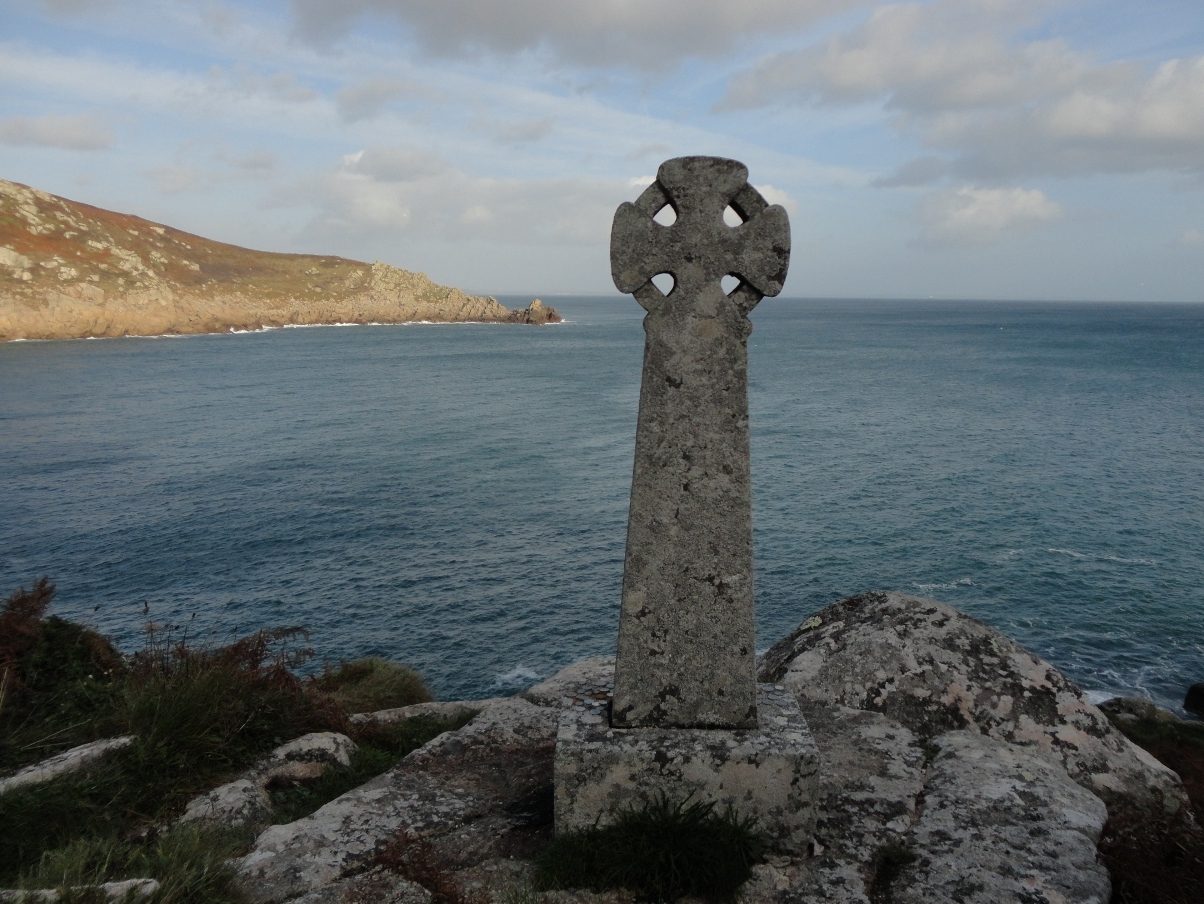

Tucked away at the southeastern edge of Cornwall's Penwith Peninsula, Lamorna Cove is a hidden gem that radiates a quiet yet profound beauty. Its serene waters and rugged granite cliffs have captured the hearts of artists, writers, and nature lovers for centuries. But beyond its picturesque facade lies a rich tapestry of history and culture waiting to be explored.
The history of Lamorna Cove is as textured as its landscape. In the late 19th and early 20th centuries, the cove became a haven for the Newlyn School of artists, drawn by the unique quality of light and the dramatic coastal scenery. However, its roots stretch much further back. The area surrounding the cove is peppered with ancient megalithic sites, indicating human presence dating back thousands of years. Lamorna's name itself is believed to derive from the Cornish language, possibly translating to "elm stream," although the exact origins remain a subject of local lore.
Art has long been entwined with Lamorna Cove's identity. In the early 1900s, the cove became synonymous with the Lamorna Group, an offshoot of the Newlyn School, which included notable artists like Samuel John "Lamorna" Birch and Laura Knight. Their works encapsulate the vibrant hues and stark contrasts of the Cornish landscape, immortalizing Lamorna's natural beauty on canvas. The architectural style in the area mirrors this artistic sensibility, with quaint stone cottages and the old quay lending an air of timelessness to the setting.
Culturally, Lamorna Cove exudes a sense of tranquility and retreat, making it a perfect backdrop for local traditions and festivals. While there aren't grandiose festivals like those found in larger Cornish towns, the community celebrates with intimate gatherings, often centered around the landscape and its changing seasons. The cove and its surroundings are a testament to Cornwall's maritime heritage, where the rhythm of the sea influences daily life.
On the culinary front, Cornwall is renowned for its fresh, local produce, and Lamorna Cove is no exception. Visitors can savor the quintessential Cornish pasty, a must-try delicacy made with tender beef, potato, swede, and onion enveloped in a flaky pastry crust. Seafood is also a highlight, with freshly caught fish and shellfish gracing the tables of local eateries. For a true taste of Cornwall, sample a traditional cream tea, complete with scones, clotted cream, and jam—a perfect treat after a day of exploring the coastal paths.
While the cove's stunning scenery is well-known, some of its secrets remain delightfully hidden. Few visitors are aware that Lamorna Cove was once a bustling hub for granite quarrying in the 19th century. The remnants of this industry can still be seen today in the form of abandoned quarry workings and the distinctive stone pier that shelters the beach. Additionally, the cove's role in inspiring the novel "Summer in February" by Jonathan Smith, which dramatizes the lives of the artists in the Lamorna colony, adds a layer of literary intrigue.
For those planning a visit, the best time to experience Lamorna Cove is during the late spring and early autumn. These seasons offer mild weather and fewer crowds, allowing for a more intimate connection with the landscape. When visiting, it's advisable to wear sturdy walking shoes, as the coastal paths can be uneven yet rewarding, unveiling breathtaking views of the sea and cliffs. Don't miss the chance to walk the South West Coast Path, which offers a spectacular vantage point over the cove and beyond.
In conclusion, Lamorna Cove is more than just a scenic spot; it is a place where history, art, and nature converge. Whether you're an art enthusiast, a history buff, or simply someone seeking solace in nature, Lamorna Cove offers a quiet escape wrapped in the timeless beauty of Cornwall.


