


Perched on the rugged coastline of Cornwall, St Ives is a town that marries the serene beauty of its beaches with a vibrant cultural tapestry, making it a must-visit for any traveler seeking a blend of natural splendor and artistic inspiration. This picturesque town has long been celebrated as the jewel of Cornwall’s crown, a place where the golden sands and lush vegetation create a seemingly subtropical oasis. But beyond its physical allure, St Ives holds a rich historical and cultural narrative that captivates all who wander its charming streets.
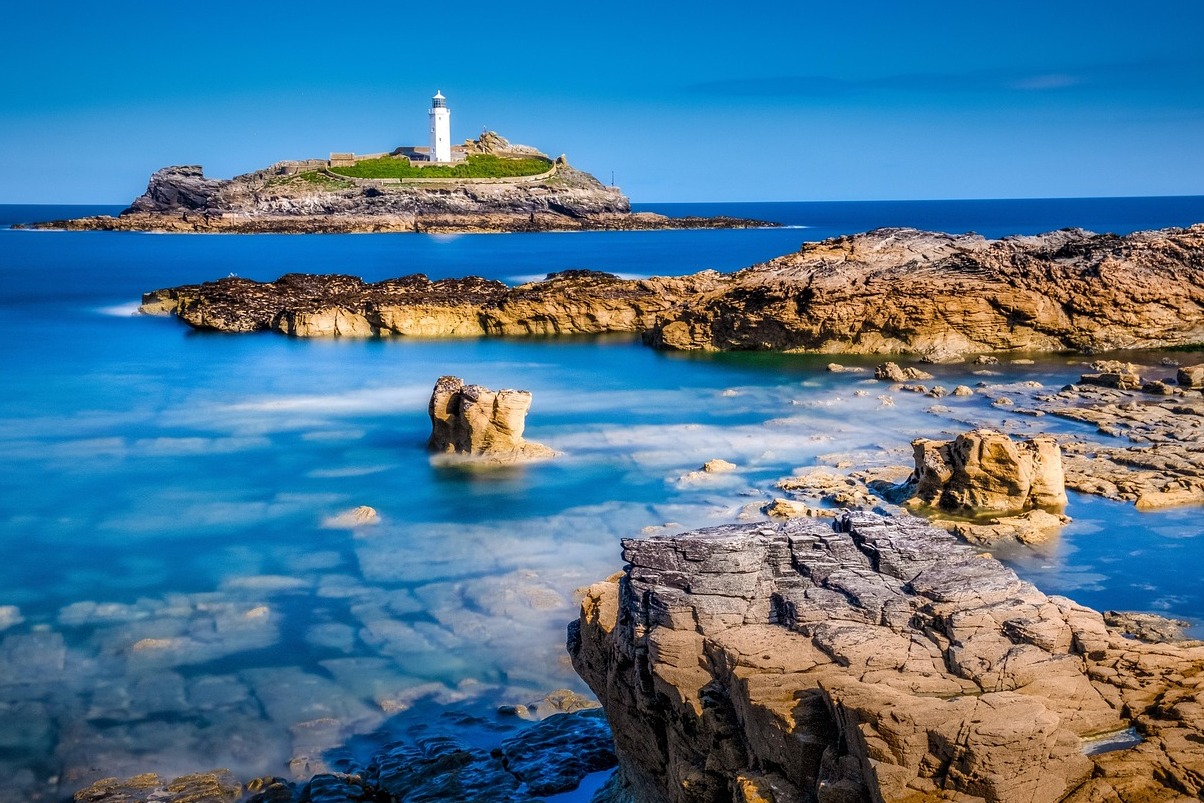
The history of St Ives is steeped in legend and tradition. Established as a fishing port in the medieval period, the town owes its name to the Irish saint, Ia of Cornwall, who is said to have sailed there in the 5th century. As the legend goes, she arrived on a leaf, and her legacy has been immortalized in the town's name. Throughout the centuries, St Ives flourished as a bustling fishing port, with pilchard fishing becoming its lifeblood by the 19th century. The arrival of the railway in 1877 transformed the town into a popular seaside resort, drawing visitors with its stunning coastal vistas and invigorating sea air.
St Ives' reputation as an artistic haven began in the late 19th century and blossomed in the 20th century when it became a magnet for artists seeking the unique quality of its light. The St Ives School, a modernist art movement, flourished here, with luminaries such as Barbara Hepworth and Ben Nicholson calling the town home. The Tate St Ives, a branch of the Tate galleries, celebrates this legacy, offering a showcase of modern and contemporary art against the backdrop of the Atlantic Ocean. The Barbara Hepworth Museum and Sculpture Garden provides visitors a glimpse into the world of the renowned sculptor, displaying her works in the serene setting of her former studio.

The town's architectural charm is evident in its cobblestone streets and quaint fishermen's cottages, many of which have been transformed into galleries and boutiques. The winding alleys lead to the Harbour Beach, where you can see the iconic Smeaton’s Pier, an engineering marvel of the 18th century. In contrast to the historic buildings, the clean lines of the Tate St Ives stand as a testament to the town's enduring embrace of modernity.
Cultural vibrancy is palpable in St Ives, with a calendar full of festivals and traditions that draw both locals and visitors alike. The St Ives September Festival is a highlight, celebrating the arts with two weeks of music, theatre, and exhibitions. Traditional customs are also honored through events like the Feast of St Ia, a celebration of the town's patron saint that includes a procession and community gatherings.
No visit to St Ives would be complete without indulging in its gastronomy. Fresh seafood is a staple, with local eateries serving up delights such as Cornish crab and lobster. The town is also famous for its Cornish pasties, a savory pastry filled with meat and vegetables, which are perfect for a seaside picnic. Wash it all down with a pint of Cornish ale or a glass of local cider, both of which capture the essence of the region's rich agricultural heritage.
For those looking to uncover lesser-known curiosities, St Ives offers its share of surprises. The Island, a promontory not actually an island, provides panoramic views and is a favorite spot for watching the sunset. Beneath its surface, the St Ives Museum houses a treasure trove of relics, from model boats to mining artifacts, offering a glimpse into the town's multifaceted history. Another hidden gem is the Leach Pottery, founded by Bernard Leach and Shoji Hamada, which remains a working studio and an homage to the craft of pottery.
Planning a visit to St Ives requires some forethought to make the most of its offerings. The best time to visit is during the shoulder seasons of spring and autumn, when the weather is mild, and the crowds are thinner. While summer offers warm days perfect for beachgoing, it also brings the most tourists. To truly appreciate the town's artistic side, consider joining a walking tour that explores the galleries and studios dotting the area. And don't miss a leisurely stroll along the South West Coast Path, which provides breathtaking views and a chance to connect with the natural environment.
In St Ives, every corner holds a story, every wave a whisper of history. Whether you're drawn by its artistic heritage, its culinary delights, or simply the allure of its landscape, this Cornish gem promises an experience that lingers long after the tides have receded.


