




Nestled in the rugged landscapes of northwest Spain, Las Médulas is a breathtaking testament to Roman engineering and ambition. In the 1st century A.D., the Roman Empire turned its gaze towards the rich gold deposits of this region, launching an extensive mining operation that would leave an indelible mark on the landscape. Utilizing an innovative technique that harnessed the power of hydraulic mining, the Romans transformed the area, creating vast networks of aqueducts and channels that diverted water to power their operations.
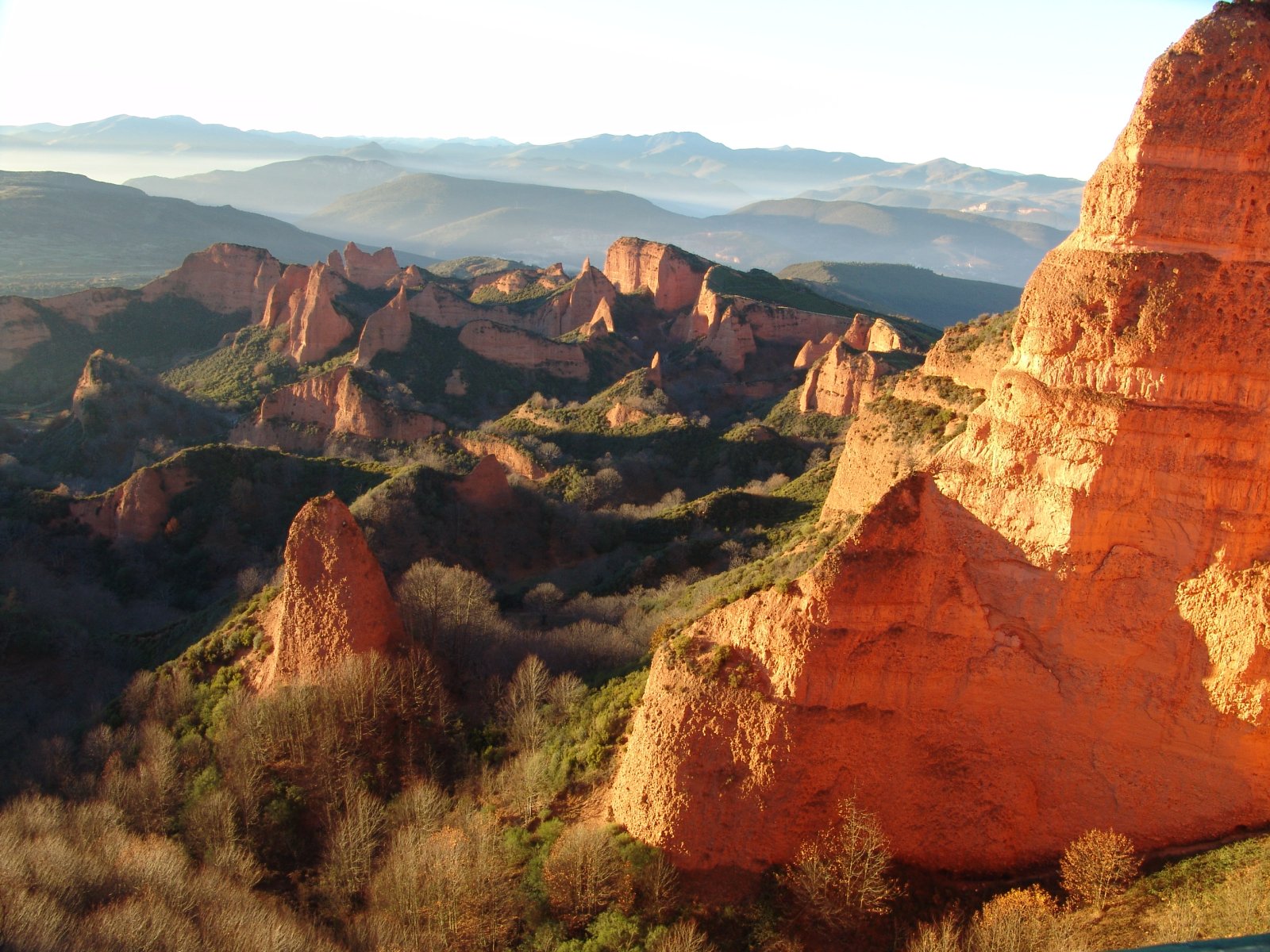
Over the next two centuries, the Romans meticulously extracted gold, employing thousands of laborers who worked tirelessly under harsh conditions. Their efforts resulted in a strikingly altered terrain, characterized by steep cliffs and expansive tailings, which tell the story of a once-thriving industry. By the end of the 3rd century, the mines were abandoned, leaving behind a landscape that, while ravaged, is now a UNESCO World Heritage site and a place of natural beauty.
The art and architecture of Las Médulas are as compelling as its history. The mining techniques employed by the Romans were groundbreaking for their time, showcasing a blend of engineering prowess and architectural innovation. The remnants of their work can be seen in the sheer rock faces and the intricate network of channels that still wind through the area. Notable is the Cueva de San Andrés, a cavern that showcases the scale of Roman mining and offers a glimpse into the technological advances of the era. The dramatic contrast of the ochre-colored earth against the lush green surrounding hills creates a visually stunning tableau that artists have long sought to capture.

Local culture thrives in the nearby villages, where traditions have been passed down through generations. The annual Festival de Las Médulas, held in early August, celebrates the rich heritage of the region, featuring traditional music, dance, and food. Locals dress in traditional attire, transforming the streets into a vibrant tapestry of colors and sounds. This festival not only honors the history of gold mining but also emphasizes the community's connection to the land, showcasing the agricultural bounty that has emerged from the remnants of Roman activity.
When it comes to gastronomy, the region around Las Médulas is known for its hearty, rustic cuisine that reflects both its agricultural roots and the influences of its mining past. One must try botillo, a traditional dish made from seasoned pork and wrapped in the intestine, which is then smoked and cured. Paired with the robust local wines, particularly the Mencía variety, the flavors of this region are sure to delight. Another local specialty is pimientos de Padrón, small green peppers that are sautéed in olive oil and sprinkled with sea salt, offering a delightful mix of flavors. The gastronomy here tells a story of resilience and resourcefulness, echoing the very history of Las Médulas.
For those seeking lesser-known curiosities, Las Médulas holds many surprises. One of the most intriguing is the Cueva del Lobo, a natural cave that served as a refuge for wolves in the past. Local lore speaks of the wolves that once prowled the area, and while they are long gone, the cave remains a popular spot for hikers and nature enthusiasts. Additionally, the unique geological formations created by the Roman mining practices have resulted in a habitat for diverse flora and fauna, making it an unexpected haven for biodiversity.
If you're planning a visit, the best time to explore Las Médulas is during the spring and early autumn months when the weather is mild, and the landscape is vibrant. The site offers several well-marked hiking trails, with viewpoints that provide breathtaking panoramas of the mining landscape. Be sure to bring comfortable shoes and a camera, as the stunning vistas are not to be missed. For a deeper understanding of its history, consider joining a guided tour, which can provide invaluable insights into the significance of this ancient site.
In conclusion, Las Médulas is not just a place to witness the remnants of Roman ingenuity but a rich tapestry of history, culture, and gastronomy that invites exploration and appreciation. To make the most of your visit and discover hidden gems, consider using the Secret World app for a personalized itinerary tailored to your interests.
