
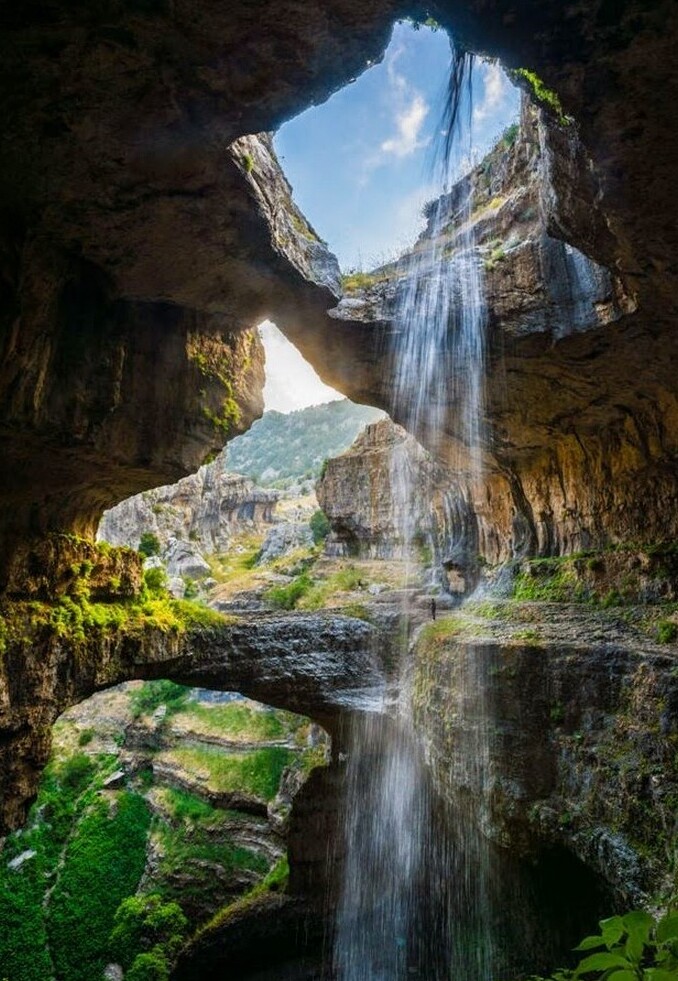

Nestled within the dramatic landscape of Tannourine El Faouqa lies one of Lebanon's most breathtaking natural wonders: the Balaa gorge waterfall, also known as the Baatara gorge sinkhole. This stunning spectacle of nature, where water cascades 255 meters into a Jurassic limestone cave, offers more than just visual splendor. It is a gateway to the rich tapestry of history, art, and culture that defines the region.
The origins of this remarkable site trace back millions of years to the Jurassic period when the limestone formations began to take shape. Over time, the relentless force of water carved out the cave known today as the Cave of the Three Bridges, aptly named for the three natural bridges that span the chasm above the waterfall. While the waterfall itself is a natural phenomenon, its discovery is relatively recent, having been brought to wider attention by French bio-speleologist Henri Coiffait in 1952. However, the area around Tannourine has been inhabited for centuries, with ancient settlements influenced by Phoenician, Roman, and Byzantine cultures, each leaving its indelible mark on the local history.
The architectural landscape of Tannourine and its surroundings is a testament to this multi-layered past. The village’s stone houses, with their red-tiled roofs and arched windows, echo traditional Lebanese architecture. Nearby, the ancient Monastery of Mar Antonios Qozhaya, nestled in the Qadisha Valley, showcases the region's spiritual and artistic heritage. This monastery, a center for early Lebanese Christian monasticism, holds religious manuscripts and icons that reflect the intricate artistry of bygone eras.
Culturally, the area is steeped in a tapestry of traditions and customs that are celebrated through vibrant festivals. One such event is the annual Tannourine Cedar Forest Festival, which highlights the importance of the cedar tree, a symbol of resilience and longevity in Lebanese culture. Local villagers celebrate with music, dance, and traditional crafts, providing an authentic glimpse into the cultural heartbeat of the region.
No visit to Tannourine would be complete without indulging in its gastronomic offerings. The region's cuisine is a flavorful reflection of its agrarian roots. Traditional dishes like kibbeh nayeh, a raw lamb dish seasoned with spices and herbs, and manakish, a popular Lebanese flatbread topped with za'atar, are staples here. Accompanying these meals, one might enjoy the local arak, a potent anise-flavored spirit that complements the rich flavors of Lebanese cuisine.
Beyond the well-trodden paths, Tannourine holds lesser-known curiosities that captivate the inquisitive traveler. The nearby Tannourine Cedars Nature Reserve is not only home to ancient cedar trees but also to a diverse array of flora and fauna, including rare orchids and the elusive Lebanese mountain goat. This biodiversity makes the reserve a haven for nature enthusiasts and a vital conservation area for Lebanon's national tree.
For those planning a visit, the best time to experience the Balaa gorge waterfall is during the spring months. Between March and May, the melting snow from the mountains increases the waterfall's flow, creating a mesmerizing spectacle. Early mornings or late afternoons offer the best light for photography and a quieter, more contemplative experience.
When visiting, ensure you wear sturdy footwear suitable for hiking, as the paths can be uneven and slippery. Be prepared for the varying weather conditions typical of the Lebanese mountains, and take your time to explore the surrounding landscapes. The path to the gorge offers stunning vantage points, each revealing new perspectives of this natural marvel.
In the heart of Lebanon, the Balaa gorge waterfall stands as a testament to the country’s natural beauty and rich cultural heritage. It is a place where history, art, and nature converge, offering an unforgettable experience for those who venture off the beaten path.


