
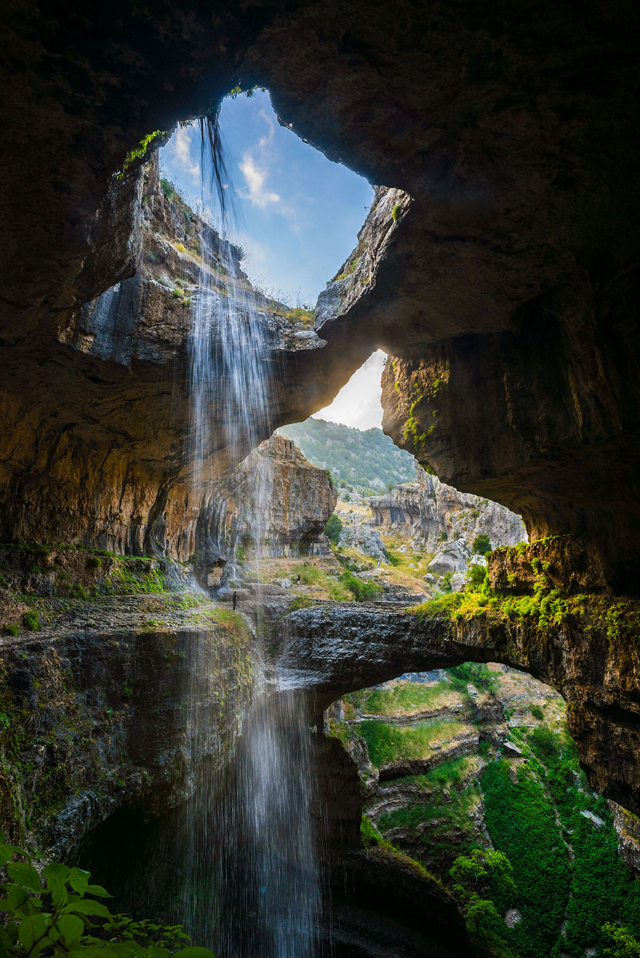

In the heart of Lebanon, where nature's artistry meets human curiosity, lies the awe-inspiring Baatara Gorge Waterfall, a gem of geological wonder. Carved into the limestone of Mount Lebanon, this waterfall is an enchanting spectacle surrounded by myths and mystique. Known to locals as the Gouffre des Trois Ponts, or the "Three Bridges Chasm," it captivates with its breathtaking beauty and rich history.
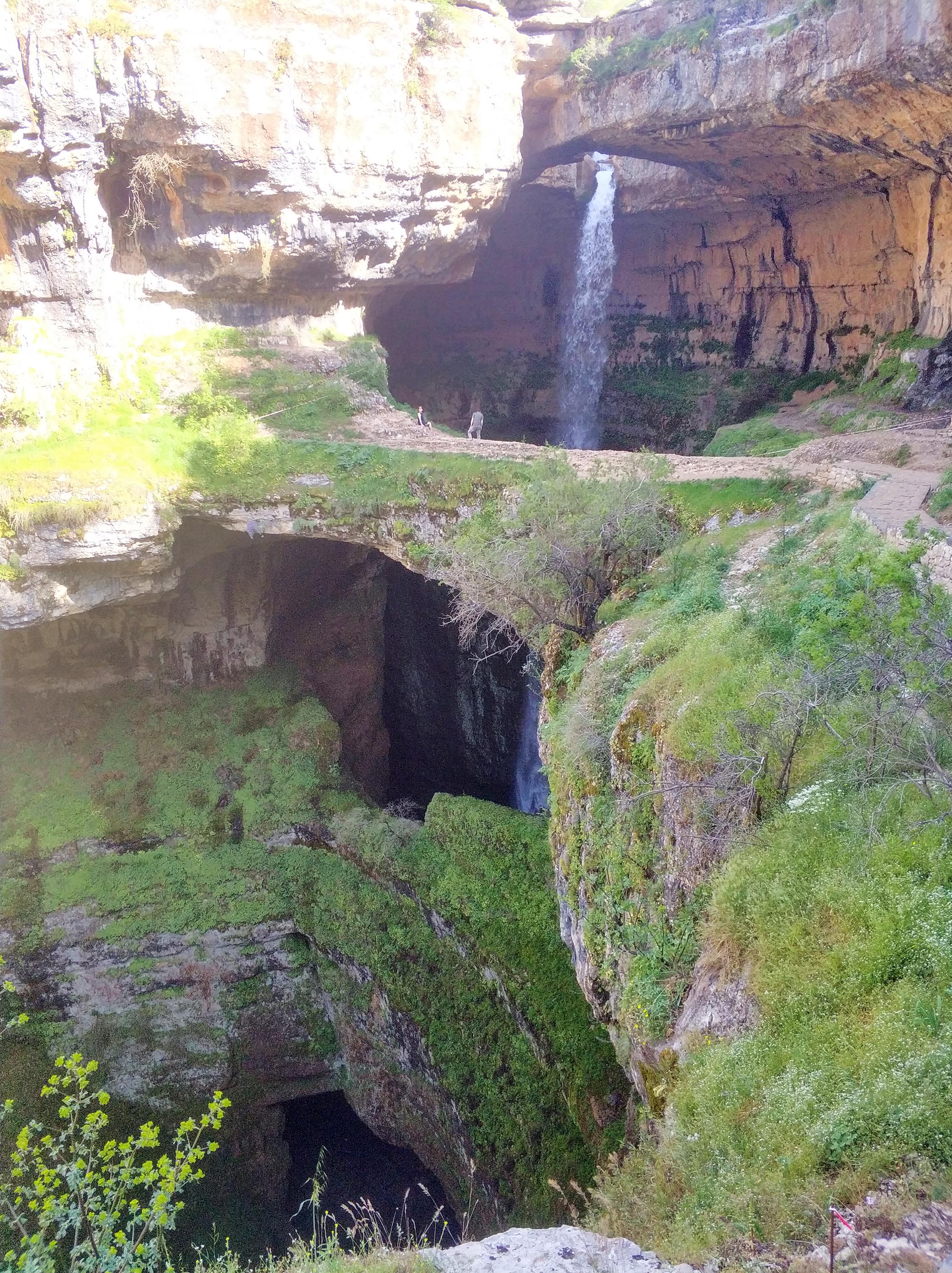
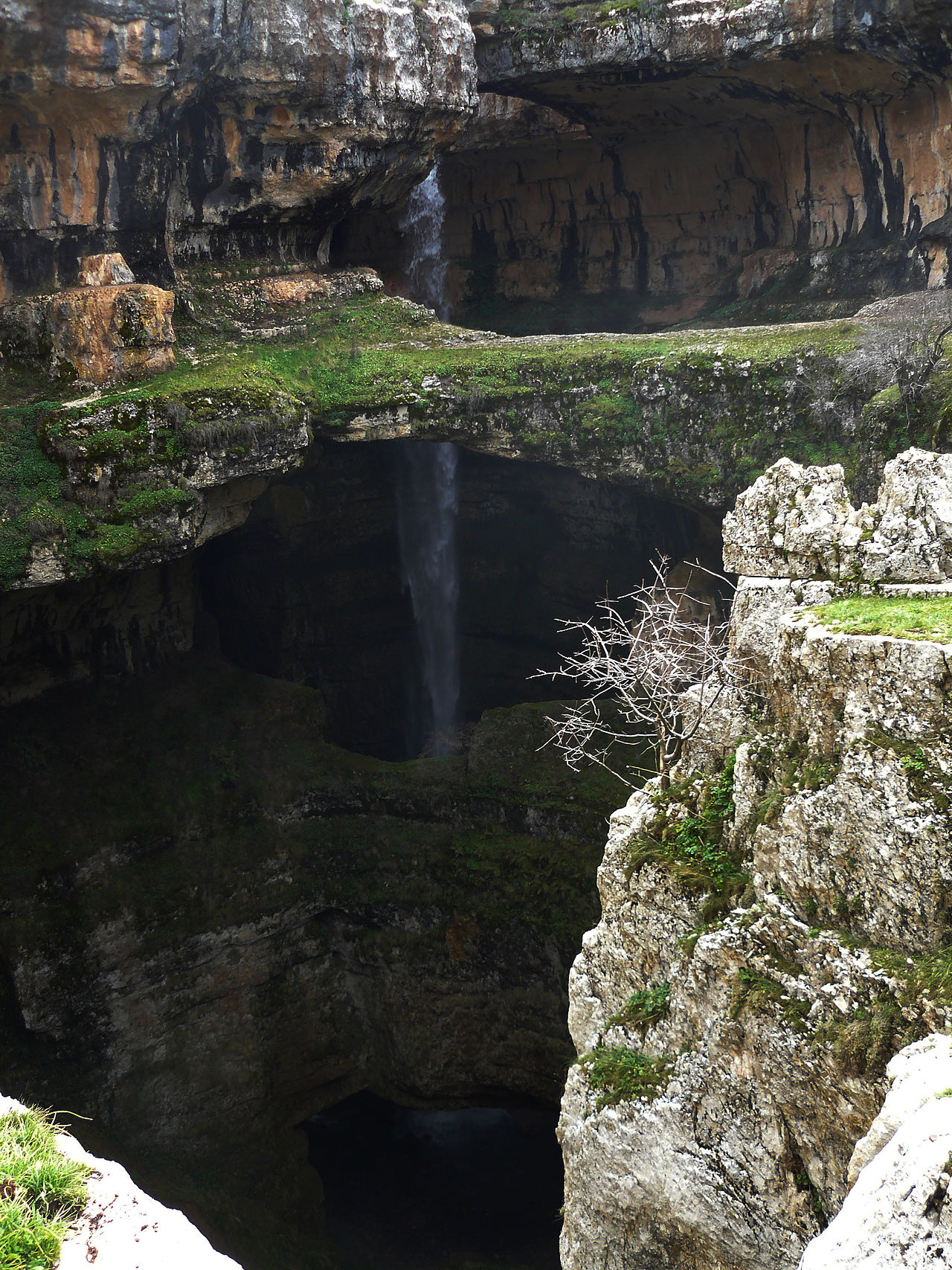
The origins of this natural wonder date back millions of years, sculpted by the relentless power of water carving through the limestone to create the gorge's dramatic vertical drop. This natural phenomenon was first brought to wider attention in the 1950s, yet it continues to be a site of scientific interest and local folklore. The waterfall plunges 255 meters into the depths of the gorge, cascading through three naturally formed limestone bridges, each a testament to the timeless artistry of erosion.
While the Baatara Gorge is primarily a masterpiece of nature, the surrounding region is steeped in rich historical tapestry. The area around Balaa, where the waterfall is located, has been inhabited for millennia. Nearby, archaeological sites reveal remnants of ancient civilizations, offering a glimpse into a past where Phoenicians once roamed. These ancient peoples left behind trails of cultural and historical significance that continue to intrigue historians and visitors alike.
Despite its natural focus, the area surrounding the gorge offers a window into Lebanon's vibrant art and architectural heritage. The nearby villages of Tannourine and Laqlouq are dotted with traditional Lebanese homes and churches that showcase the distinctive stone architecture and red-tile roofs typical of the region. These structures, often centuries old, reflect the resilience and creativity of a people who have harmonized their lives with the rugged landscape.
The cultural tapestry of the region is equally rich, with traditions passed down through generations. Festivals celebrating the harvest and local saints punctuate the calendar, drawing communities together in vibrant displays of dance, music, and culinary delights. The annual Tannourine Cedar Festival, for example, celebrates the majestic cedar trees that are synonymous with Lebanon, offering visitors a chance to engage with local culture in a setting of natural splendor.
No visit to the Baatara Gorge is complete without indulging in the local gastronomy. The region's cuisine is a delightful exploration of flavors, with dishes like kibbeh nayyeh (a raw meat dish seasoned with spices) and mansaf (lamb cooked with yogurt) tantalizing the taste buds. Fresh produce from the fertile lands, including olives, figs, and pomegranates, find their way into local dishes, while homemade arak, an anise-flavored spirit, offers a warming toast to the day’s adventures.
For those seeking lesser-known curiosities, the Baatara Gorge has its share of secrets. During the spring thaw, when the waterfall is at its most vigorous, the mist creates fleeting rainbows, adding to the mystical ambiance. Local legend speaks of hidden treasures within the gorge, tales passed down through generations that captivate the imagination of all who visit.
Practical tips for visiting the Baatara Gorge Waterfall ensure a memorable experience. The best time to visit is in the spring, when snowmelt from the mountains feeds the waterfall, creating a dramatic display. The path to the gorge requires a moderate hike, so sturdy footwear is recommended. For safety, visitors should admire the gorge from designated viewing areas, especially when the rocks are wet and slippery.
As you stand before the chasm, witnessing the roaring cascade against the backdrop of Lebanon's panoramic landscapes, the Baatara Gorge Waterfall offers a profound connection to nature's enduring legacy. It's a place where history breathes through the rocks, and every drop of water tells a story as ancient as time itself.


