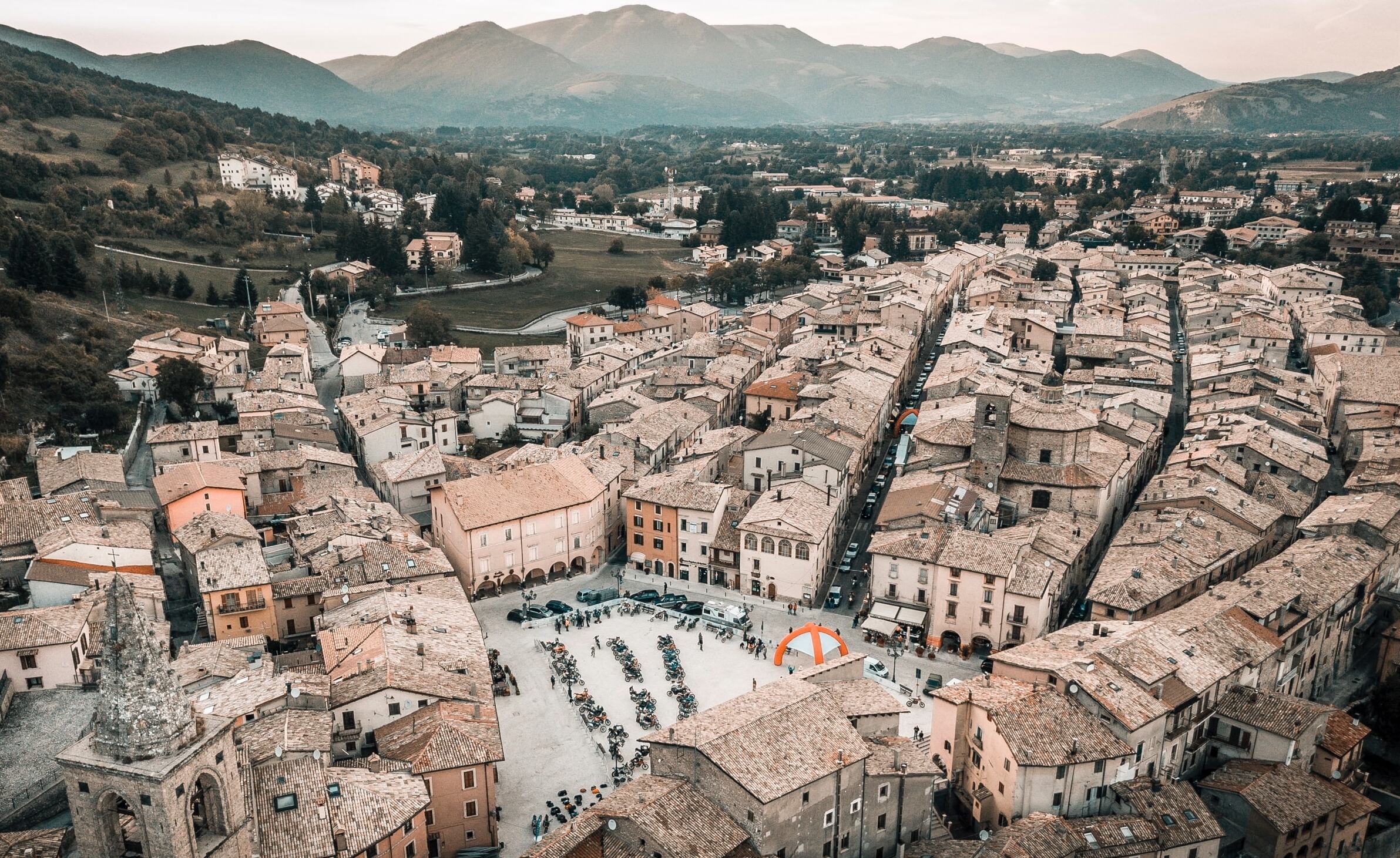

Nestled in the heart of the Apennines, the enchanting village of Leonessa is a treasure trove of medieval charm, boasting a rich history that dates back to ancient times. This picturesque village, located at an altitude of approximately one thousand meters, sits on the border between Lazio, Umbria, and Abruzzo, offering stunning vistas and a captivating glimpse into Italy's storied past.
### History and Origins
The origins of Leonessa can be traced back to the Roman era, when it was known as Pons Leonis, a name derived from the Latin word for "lion." The village flourished during the medieval period, particularly in the 13th century under the influence of the Papal States. It became a strategic outpost due to its elevated position and was fortified with walls that still bear witness to its storied past.
One of the most significant events in Leonessa's history occurred during the Second World War when, on April 7, 1944, the village was liberated from German occupation. The date is commemorated in the name of Piazza 7 Aprile 1944, a lively square that serves as a focal point for both locals and visitors. Throughout its history, Leonessa has preserved its medieval character, making it a living museum of art and architecture.
### Art and Architecture
Walking through the narrow, cobblestone streets of Leonessa feels like stepping back in time, with its well-preserved medieval town plan. The Farnesiana Fountain, a stunning 16th-century structure, stands proudly in Piazza 7 Aprile 1944. This beautiful fountain was a gift from Margherita D'Austria, adding an air of regal elegance to the village square.
The Church of San Francesco, built in the mid-13th century, is a highlight of Leonessa's architectural landscape. Inside, visitors can marvel at a captivating polychrome terracotta nativity scene from the 16th century, alongside a crypt discovered in 1993 that features exquisite Giottesque-inspired frescoes from various artists of the 15th and 16th centuries. The village also boasts other notable churches, including San Pietro, San Giuseppe, Santa Maria del Popolo, and San Carlo, each housing significant works of art that reflect the spiritual and cultural heritage of the area.
### Local Culture and Traditions
The culture of Leonessa is deeply rooted in its history, with traditions that reflect a strong sense of community and pride. One of the most anticipated events is the Festa di San Giovanni, celebrated on June 24th, which includes processions, traditional music, and a vibrant display of local cuisine. Another important festival is the Festa della Madonna della Neve, held in August, where locals pay homage to their patron saint with a series of religious activities and festivities.
The village’s slow-paced lifestyle exudes warmth and hospitality, with residents eager to share the stories of their ancestors and the traditions that define their daily lives. Visitors often find themselves welcomed into local homes, where they can experience the heart of Leonessa's culture firsthand.
### Gastronomy
The culinary scene in Leonessa is a reflection of its rich agricultural heritage. The region is known for its truffles, particularly the prized black truffle, which is celebrated during the annual Festa del Tartufo. Local dishes often feature hearty ingredients such as wild game, mushrooms, and chestnuts, with pasta alla Norcina and strascinati being local favorites.
Washing down these delectable meals, visitors can savor Montepulciano d'Abruzzo, a robust red wine that pairs beautifully with the region's rich flavors. The local grappa, a potent spirit distilled from grape pomace, is another must-try, often enjoyed as a digestif after a hearty meal.
### Lesser-known Curiosities
While Leonessa offers many well-trodden paths for exploration, there are hidden gems waiting to be discovered. One such curiosity is the Caldara, a natural thermal spring located just outside the village, believed to have healing properties. This secluded spot is often overlooked by tourists, but locals cherish it as a place to relax and rejuvenate.
Another interesting fact is that Leonessa is home to a unique dialect, a blend of Romanesco and Abruzzese, which adds a layer of cultural richness to the village. Listening to the locals converse can provide a delightful insight into their traditions and way of life.
### Practical Visitor Information
The best time to visit Leonessa is during the spring and early autumn months when the weather is mild, and the surrounding landscapes are alive with vibrant colors. Planning a visit during one of the local festivals can also enhance your experience, allowing you to immerse yourself in the community's celebrations.
When exploring Leonessa, be sure to take your time wandering through its charming streets, discovering artisan shops, and sampling local delicacies. Don’t forget to carry a camera; every corner presents an opportunity for a perfect photograph.
For a truly personalized experience, consider using the Secret World app to craft an itinerary tailored to your interests and preferences as you explore the captivating village of Leonessa.
