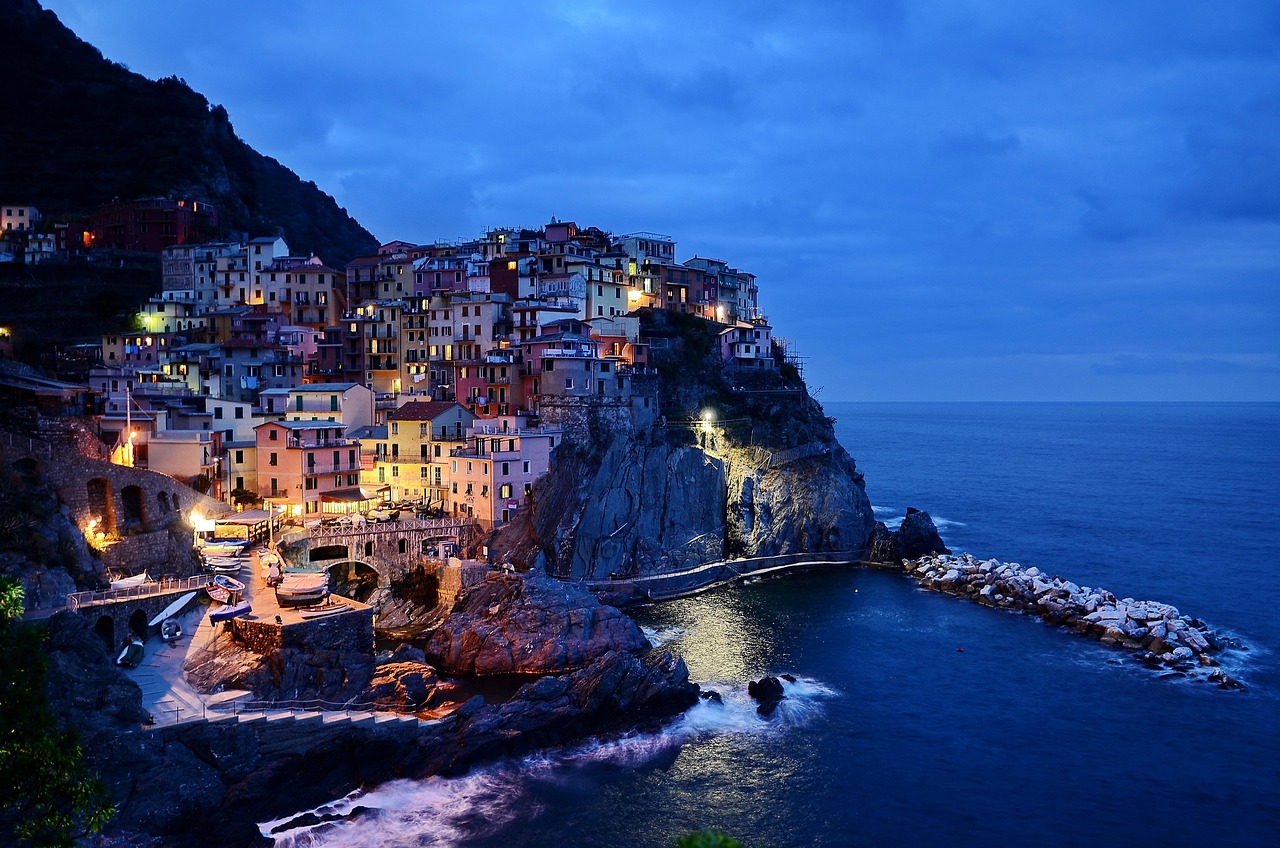

In the heart of Liguria, where the azure waters of the Mediterranean kiss the rugged coastline, lies Genova, a city steeped in history and culinary tradition. This vibrant port city is not only the birthplace of the renowned Pesto alla Genovese, but also a treasure trove of art, architecture, and culture.
### History and Origins
The origins of Genoa date back to ancient times, with the city established by the Etruscans around the 6th century BC. It later became a significant maritime power during the Middle Ages, playing a crucial role in trade and commerce throughout Europe and the Mediterranean. The Genoese Republic, which flourished from the 11th to the 18th century, was known for its strategic naval prowess and wealth, leaving behind a legacy that can still be seen in the city’s architecture and culture today.
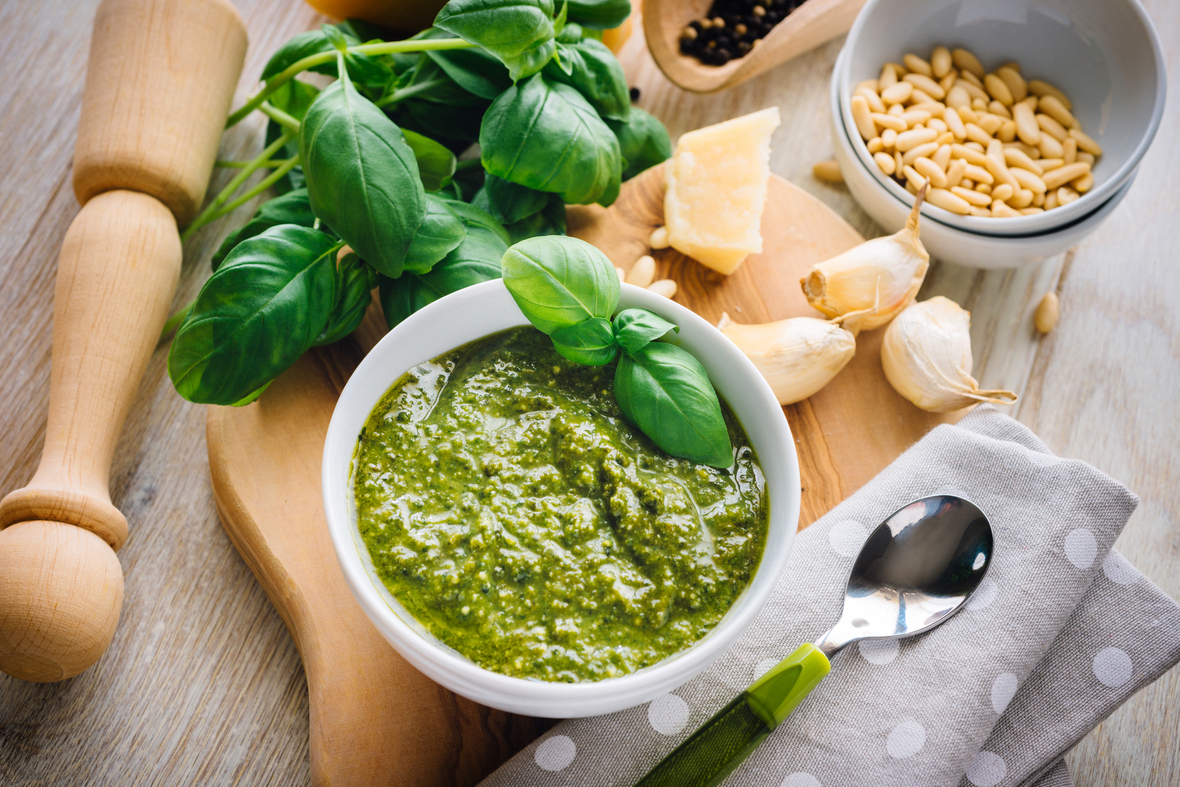
Pesto, the green sauce that has become synonymous with Genoa, has roots that can be traced back to the 19th century. The name "pesto" derives from the Genoese dialect word "pestâ," meaning to crush or pound, reflecting its traditional preparation method. The recipe, which combines fresh basil, pine nuts, Parmesan cheese, garlic, and olive oil, has been lovingly passed down through generations. The Genoese Pesto Consortium now safeguards the authentic recipe, ensuring that each batch is made with the highest quality ingredients, preferably using a marble mortar and wooden pestle.
### Art and Architecture
Genoa is often referred to as an open-air museum, where stunning Renaissance and Baroque architecture adorn the streets. The Palazzi dei Rolli, a UNESCO World Heritage site, showcases the grandeur of the city’s historical homes, built for the wealthy families of the Republic. The intricate facades and opulent interiors provide a glimpse into the life of Genoa's elite during its golden age.
The Cattedrale di San Lorenzo, with its striking black and white striped exterior, is another must-see. This cathedral, dating back to the 12th century, houses a treasure trove of religious art, including works by notable local artists. The Frescoes of the Annunciation in the chapel are particularly mesmerizing, reflecting the city’s artistic significance throughout history.
### Local Culture and Traditions
Life in Genoa is imbued with local customs and traditions that celebrate its rich heritage. One of the most vibrant events is the Festa di San Giovanni, held in June. This festival honors the city’s patron saint with parades, fireworks, and the traditional “cima,” a local dish made from stuffed veal, symbolizing the city’s culinary pride.
Another unique aspect of Genoese culture is the tradition of “pestare,” or making pesto. Families gather to prepare this beloved sauce on Sundays, sharing stories and laughter as they pound the ingredients together. This communal activity reinforces the importance of family and tradition in Ligurian life.
### Gastronomy
No exploration of Genoa is complete without indulging in its culinary delights. Beyond Pesto alla Genovese, visitors can savor trofie al pesto, a local pasta dish that perfectly complements the sauce’s flavors. The region is also famous for its focaccia, a flatbread that comes in many variations, often topped with rosemary or olives.
Seafood is another staple, with fresh catch from the Mediterranean featuring prominently in local dishes. Cappon Magro, a seafood tower garnished with vegetables and sauces, is a festive dish often served on special occasions. Pair these culinary delights with a glass of Vermentino, a local white wine that beautifully complements the region’s flavors.
### Lesser-Known Curiosities
While the iconic attractions of Genoa are well-known, there are hidden gems waiting to be discovered. For instance, the Vico delle Monachette, a narrow alleyway, offers a glimpse of the city’s past with its old-world charm and colorful buildings. Another lesser-known fact is that Genoa is home to the largest aquarium in Italy, showcasing a diverse range of marine life, including species native to the Mediterranean.
Additionally, the Genoese dialect, a unique variation of Italian, is often overlooked by visitors. Understanding a few local phrases can enhance your experience and foster connections with the warm-hearted locals.
### Practical Visitor Information
The best time to visit Genoa is during the spring (April to June) and early autumn (September to October) when the weather is pleasant and the tourist crowds are thinner. Be sure to take advantage of the city's extensive public transportation system, including buses and funiculars, which make exploring the hilly terrain much easier.
As you wander through the narrow streets of the Caruggi, the old town, keep an eye out for small trattorias where you can enjoy authentic dishes made with love and tradition. Don’t forget to pause at a local market to sample fresh produce and perhaps pick up a jar of pesto to take home.
### Conclusion
Genoa, with its rich tapestry of history, art, and culinary tradition, offers a captivating experience that goes beyond the ordinary. Whether you’re savoring a dish of pesto or wandering through its historic streets, you’ll find that this city has a story to tell at every turn. To make the most of your journey, consider using the Secret World app to craft a personalized itinerary that uncovers the hidden treasures of Genova.
