

Nestled off the Northumberland coast, Lindisfarne, also known as Holy Island, is a place steeped in history and spirituality. This enchanting island is renowned as the site of the earliest Christian monastery in Anglo-Saxon Northumbria, which was established in AD 635 by Irish monks at the behest of King Oswald. The monastery quickly became a beacon of Christianity in England, renowned for its scholarship and the cult of St. Cuthbert, its most famous bishop.
The Lindisfarne Gospels, a masterpiece of Insular art, were produced here in the early 8th century. This illuminated manuscript not only showcases the intricate artistry and craftsmanship of the time but also serves as a testament to the island’s significance in the spread of Christianity. The Gospels are celebrated for their vibrant colors and elaborate designs, combining Celtic, Roman, and Germanic influences, and can be seen at the British Library in London today.
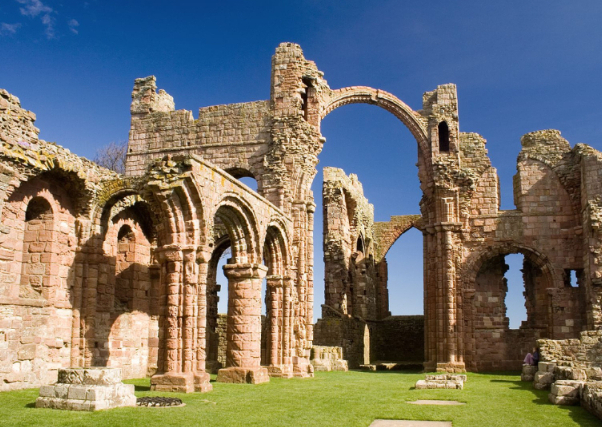
Architecturally, Lindisfarne Priory remains a haunting reminder of the island's monastic past. The ruins of the priory, which was constructed in the 11th century, feature distinctive Romanesque style elements, including sturdy stone walls and finely crafted arches. The vicarage, with its quaint stone cottages and the St. Mary’s Church, built in 1778, adds to the charm of the island, inviting visitors to wander and absorb the serene atmosphere.
Local culture on Holy Island is rich and vibrant, deeply rooted in its history. The community honors its heritage through various traditions, including the annual Lindisfarne Festival, where music, arts, and crafts come together, celebrating the island’s past and present. During Lent, islanders engage in age-old customs, including the making of crown loaves and gathering for Easter vigils, activities that reflect the island's strong religious ties.
Gastronomically, Lindisfarne is famous for its oysters, harvested from the surrounding waters, which are a delicacy highly regarded by seafood lovers. Other local specialties include Lindisfarne Mead, a sweet honey wine that has been crafted for centuries. Visitors often indulge in freshly caught fish and chips from local eateries, celebrating the island's maritime heritage.
For those eager to uncover the lesser-known aspects of Lindisfarne, one intriguing fact is the Holy Island Causeway, which is only accessible during low tide, creating a sense of isolation and tranquility. The island’s wildlife is also remarkable; it is a haven for bird watchers, particularly during the migratory seasons when numerous species flock to its shores. Furthermore, the island’s landscape is dotted with Neolithic sites, including ancient burial mounds, offering a glimpse into the life of early inhabitants long before the arrival of Christianity.
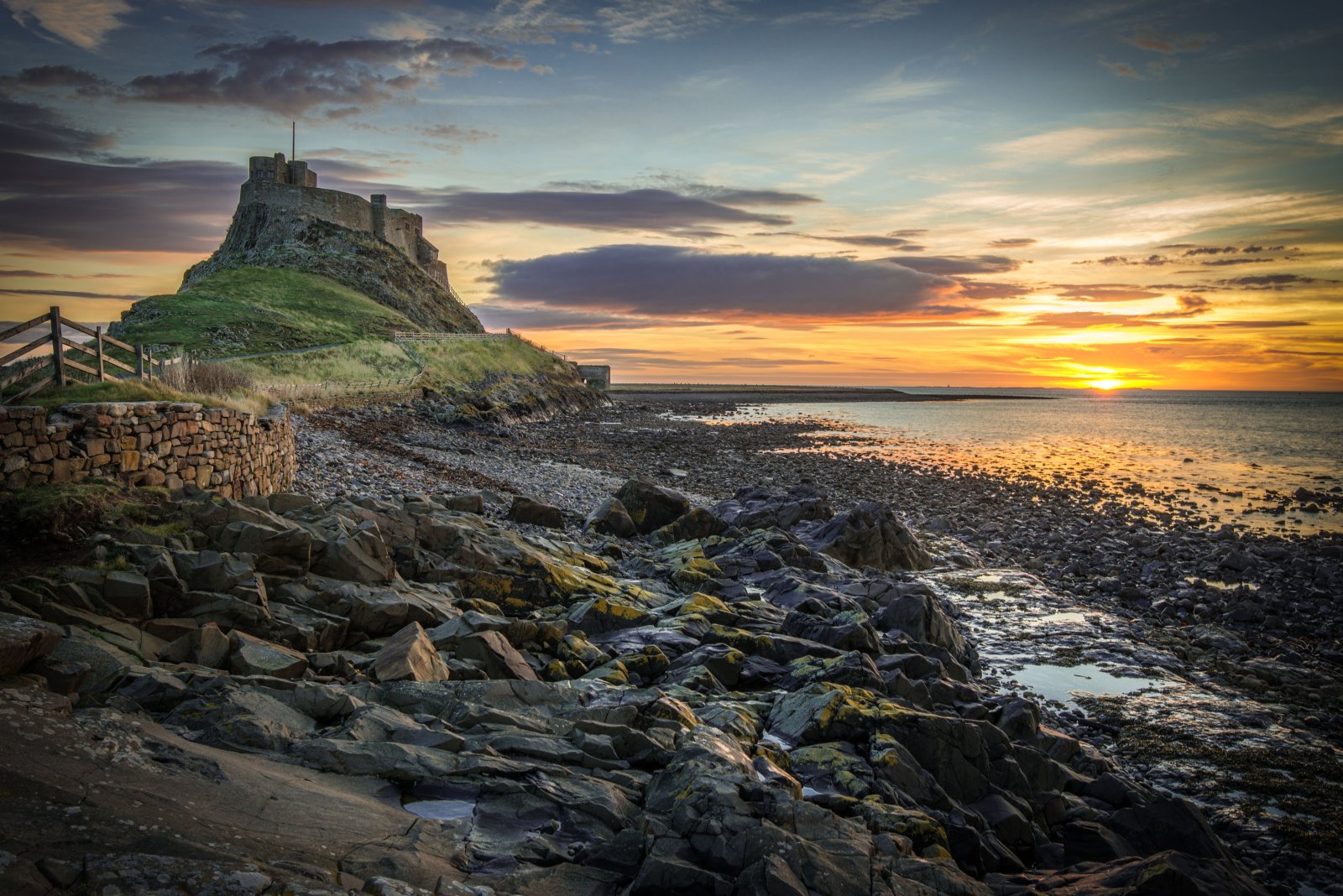
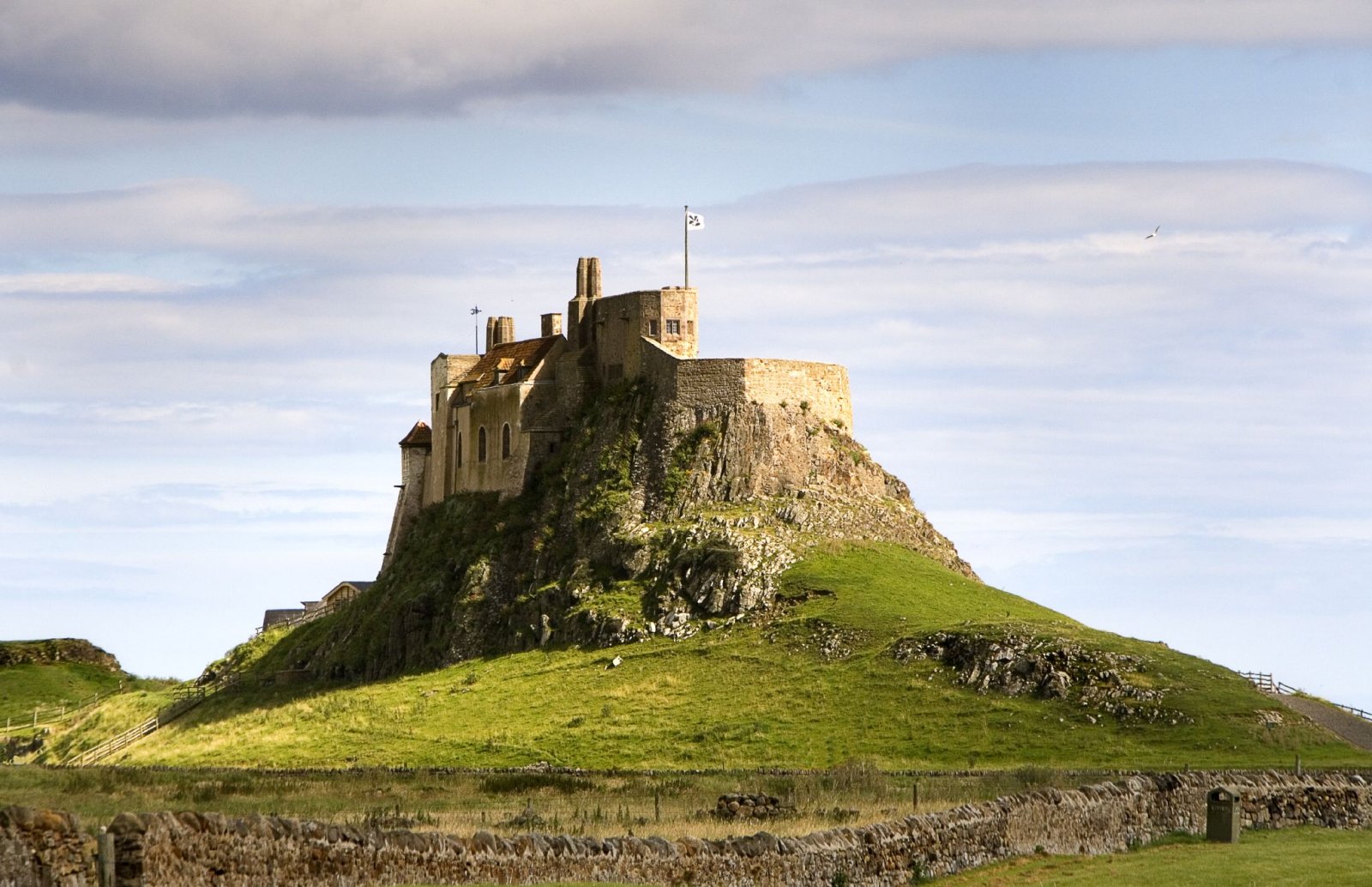
When planning a visit to Lindisfarne, the best time to explore is during the spring and summer months, when the flowers bloom and the weather is at its finest. Visitors should check tide schedules in advance to ensure safe passage to and from the island. Don't miss the opportunity to walk the Lindisfarne Nature Reserve, where diverse flora and fauna thrive, and keep an eye out for the remnants of the medieval Lindisfarne Castle, perched dramatically on a hilltop.
In conclusion, Lindisfarne is more than just a historical site; it is a living testament to faith, culture, and community. The island's rich tapestry of history, art, and gastronomy make it a must-visit destination for anyone seeking to experience the heart of early Christianity and the beauty of nature in Northumberland. To make the most of your visit, consider using the Secret World app to create a personalized journey through this unique landscape.


