
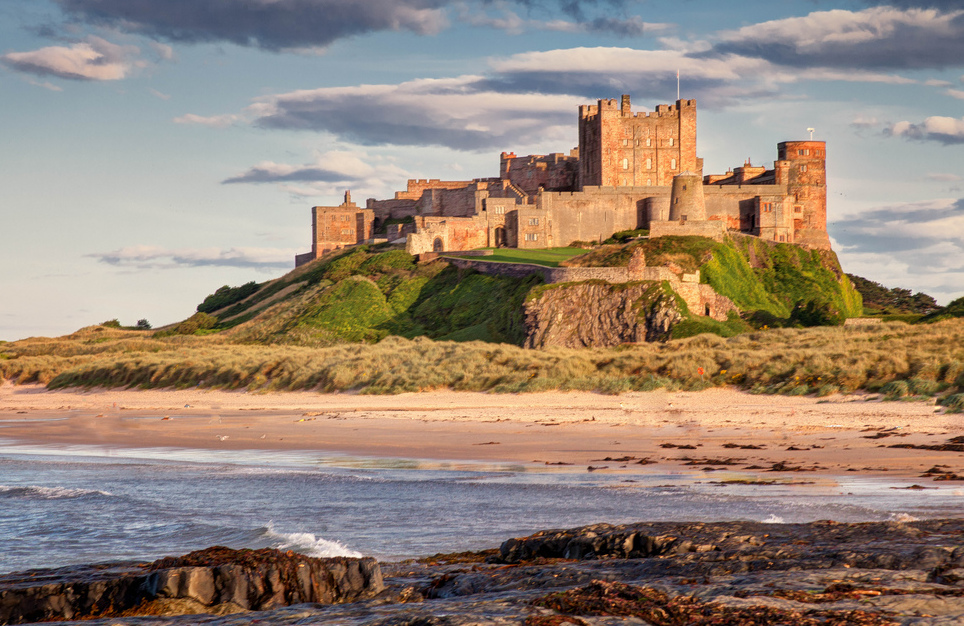

Perched atop a striking basalt outcrop along the rugged Northumberland coastline, Bamburgh Castle is a magnificent monument to England's storied past. Its history stretches back to 547 AD, when it was first established as a royal fortification. Over centuries, it has witnessed the rise and fall of empires, served as the capital of the Anglo-Saxon Kingdom of Bernicia, and endured the ravages of Viking invasions, most notably its destruction by the Vikings in AD 993. The castle has been rebuilt and repurposed many times, evolving from a simple fort into a formidable stronghold under the Normans, who constructed the current stone castle in the 12th century. Today, it stands as a testament to architectural resilience and historical significance.
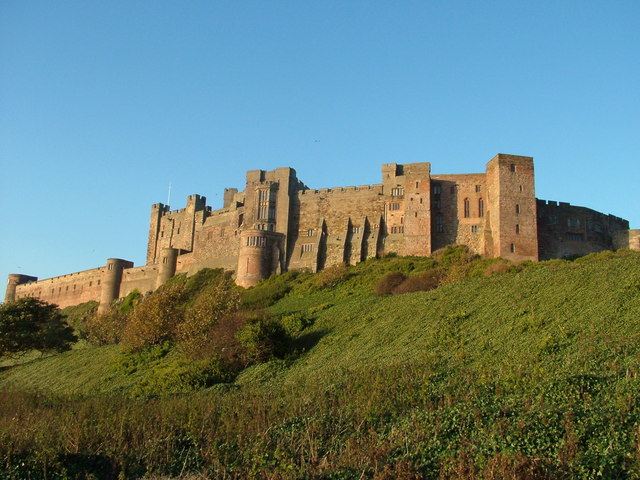
The castle's architecture is a blend of ancient and medieval styles, featuring impressive Norman stonework, towering walls, and an extensive keep. Inside, visitors can admire the Victorian influences that emerged during its restoration in the 19th century. The castle is home to an array of artifacts, including original artillery and weaponry from both World Wars, providing a poignant reminder of its military history. Notably, the castle's Great Hall, with its grand fireplace and stained glass windows, reflects the grandeur of past nobility and serves as a venue for various cultural events.
Bamburgh is not only about its imposing castle; it is interwoven with the local culture and traditions of Northumberland. The village hosts a variety of events, including the Bamburgh Food Festival, which celebrates local produce and culinary talents. Traditional Northumbrian customs, such as Hogmanay celebrations, showcase the region's rich Scottish heritage, while the annual Bamburgh Castle Triathlon draws athletes and spectators alike, uniting the community in a shared spirit of competition.
Gastronomy in Bamburgh is a reflection of its coastal location. Local dishes often include fresh seafood, such as crab and sole, caught from the North Sea. The area is also famous for its Northumbrian cheese, particularly Stinking Bishop, a strong cheese that pairs wonderfully with local ales. Visitors can indulge in traditional pubs like The Lord Crew that serve hearty meals and local brews, offering a taste of authentic Northumbrian hospitality.
Among the lesser-known curiosities of Bamburgh Castle is the legend of Saint Aidan, who founded the monastery of Lindisfarne nearby. It is said that he often visited Bamburgh, and the castle was a significant site for early Christian missions to the Anglo-Saxons. Additionally, the castle's connection to the Armstrong family—who played a pivotal role in its restoration—has left a lasting mark on its history. The family’s contributions to both the castle and the surrounding area are celebrated but often overlooked by casual tourists.
For those planning a visit, the best time to explore Bamburgh Castle is during the late spring or early autumn when the weather is mild, and the crowds are smaller. The castle opens its doors from March to November, with guided tours available to enhance the experience. Be sure to climb to the top of the castle for stunning panoramic views of the coastline and the nearby Holy Island.
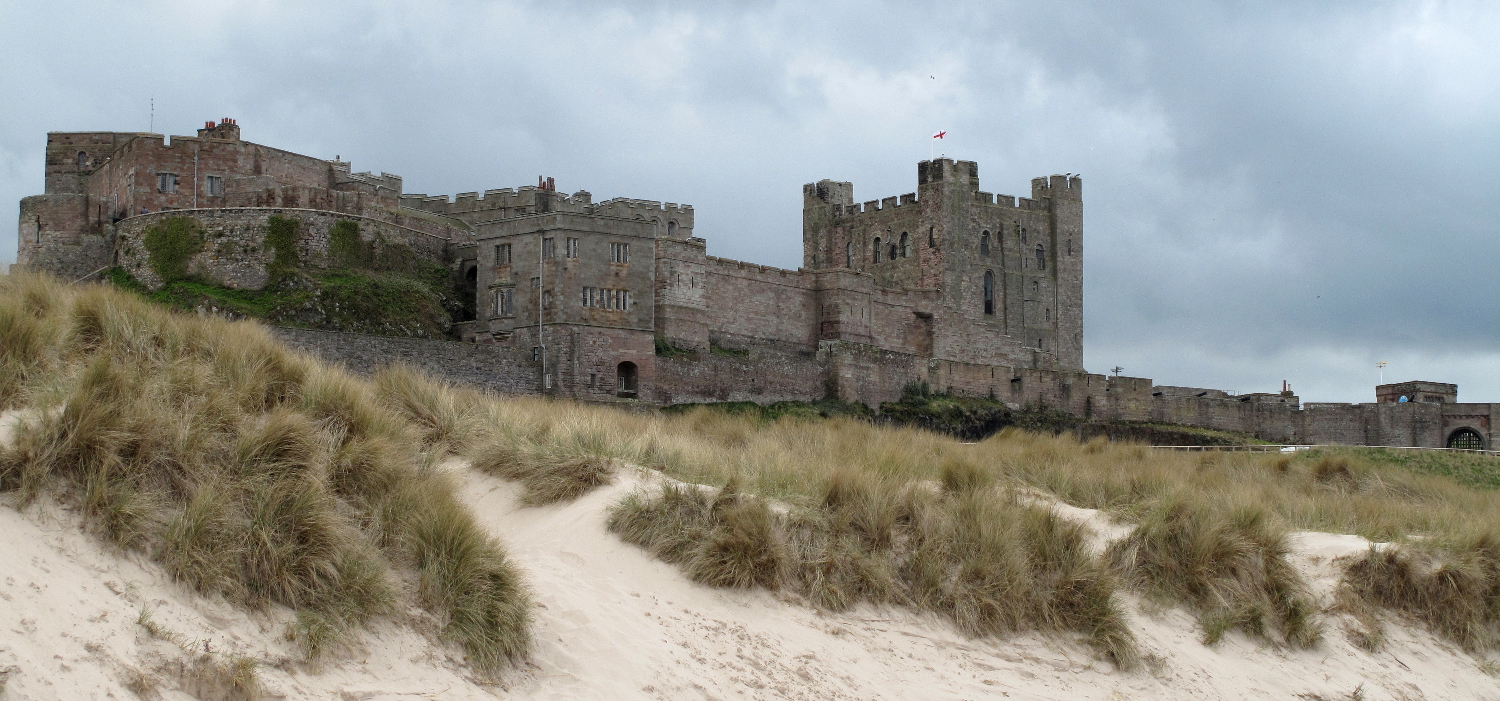
Visitors should also take the time to explore the Bamburgh Beach, which offers beautiful walking paths with views of the castle against the backdrop of golden sands. Don't miss the opportunity to visit the Grace Darling Museum, dedicated to the local heroine who became famous for her daring sea rescue in 1838.
In conclusion, Bamburgh Castle is more than just a historical site; it is a vibrant part of Northumberland's cultural fabric, rich in stories and experiences. To make the most of your visit, consider using the Secret World app to tailor your itinerary and uncover the hidden gems of this enchanting location.


