


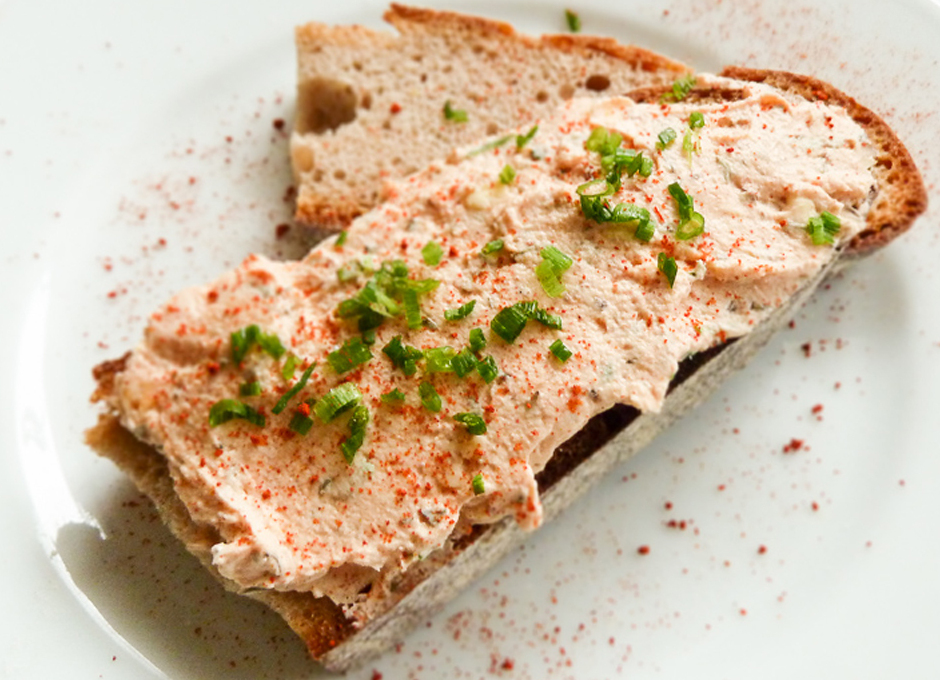
Nestled at the crossroads of Italian, Slovenian, and Austrian cultures, Trieste is a city that serves as a melting pot of culinary, architectural, and cultural influences. One of its most delightful culinary offerings is the Liptauer, a cheese mousse whose rich flavors tell a story of a region deeply intertwined with its Austro-Hungarian past. This delectable spread, enhanced with paprika and cumin, is a testament to the city's historical tapestry and is best enjoyed as a Triestina-style starter on crispy croutons.
The origins of Liptauer trace back to the Slovak region of Liptov, which was part of the Austro-Hungarian Empire, highlighting the enduring influence of this period on Trieste's cuisine. The empire's reach extended far beyond political borders, seeping into the very kitchens of the cities under its control. Liptauer's journey to Trieste is emblematic of the city's history as a diverse port town, where trade routes and cultural exchanges have long shaped its identity.
Trieste's architecture is equally reflective of its rich history. The cityscape is a harmonious blend of neoclassical, Baroque, and Viennese Secessionist styles, a nod to its past as part of the Austro-Hungarian Empire. The grandeur of Piazza Unità d'Italia, one of Europe's largest seaside squares, is a striking example of this architectural fusion. Here, the grand palazzi whisper stories of imperial grandeur and mercantile prosperity. The Castello di Miramare, perched on the Gulf of Trieste, offers visitors a glimpse into the opulent lifestyle of the Habsburgs, who left an indelible mark on the region.
Local culture in Trieste is as vibrant and diverse as its architecture. The city celebrates a myriad of festivals that reflect its multicultural heritage. One such celebration is the Barcolana, the largest sailing regatta in the world, which takes place every October. This event not only showcases the city's maritime prowess but also brings together people from all over the globe, turning the Gulf of Trieste into a colorful tapestry of sails. Another cultural gem is the Trieste Film Festival, Italy's leading festival dedicated to Central and Eastern European cinema, underscoring the city's role as a bridge between West and East.
Gastronomy in Trieste is a delightful journey through flavors that echo its multifaceted history. Beyond the creamy Liptauer, the city offers a plethora of culinary experiences. The buffet tradition, a legacy of the Austro-Hungarian era, is still alive in local eateries where one can savor dishes like jota, a hearty bean and sauerkraut soup, or caldaia, a warming pork stew. Seafood also plays a prominent role, with fresh catches from the Adriatic Sea gracing tables across the city. Pair these dishes with a glass of Terrano, a robust red wine from the nearby Carso region, and you have a quintessential Triestine meal.
For those seeking lesser-known curiosities, Trieste is a treasure trove of unique experiences. The city is home to the Risiera di San Sabba, a former rice-husking facility that was repurposed as a Nazi concentration camp during World War II. Now a national monument, it offers a poignant reminder of the city's complex past. Meanwhile, the Grotta Gigante, the world's largest accessible cave, provides an awe-inspiring subterranean adventure just a short drive from the city center.
When planning a visit, the best time to experience Trieste is during the mild months of spring or autumn. These seasons offer pleasant weather perfect for exploring the city's coastal promenades and enjoying outdoor festivals. To make the most of your visit, consider wandering through the Caffè San Marco, a historic café that has been a meeting place for intellectuals, writers, and artists since its opening in 1914. Here, amidst the aroma of freshly brewed coffee, you can soak in the literary spirit that once inspired the likes of James Joyce.
Trieste, with its unique blend of cultures and history, offers a travel experience unlike any other. From savoring the rich, spicy notes of Liptauer to exploring grand imperial architecture, the city invites you to discover its many layers and celebrate its status as a vibrant crossroads of Europe.
