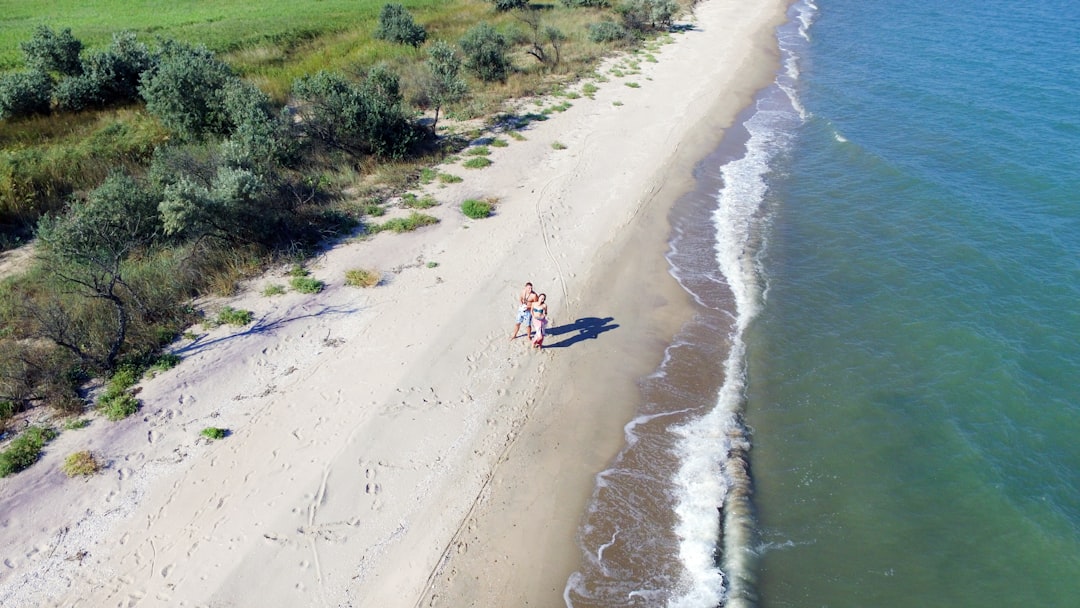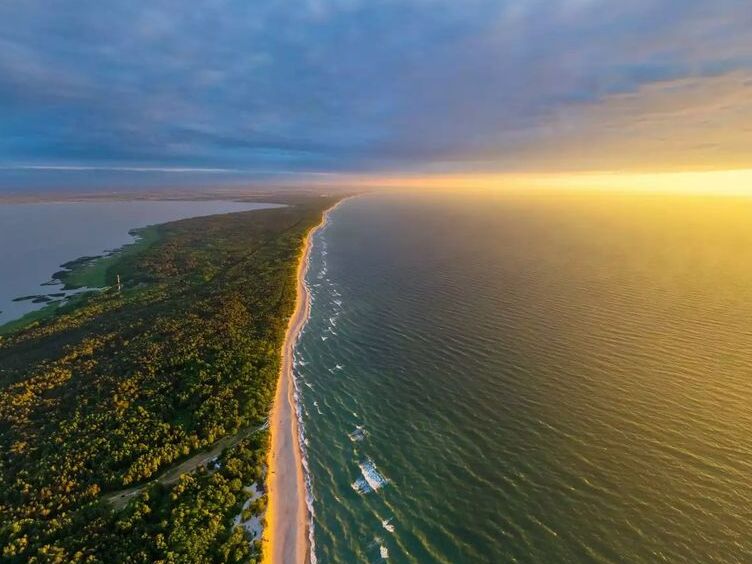

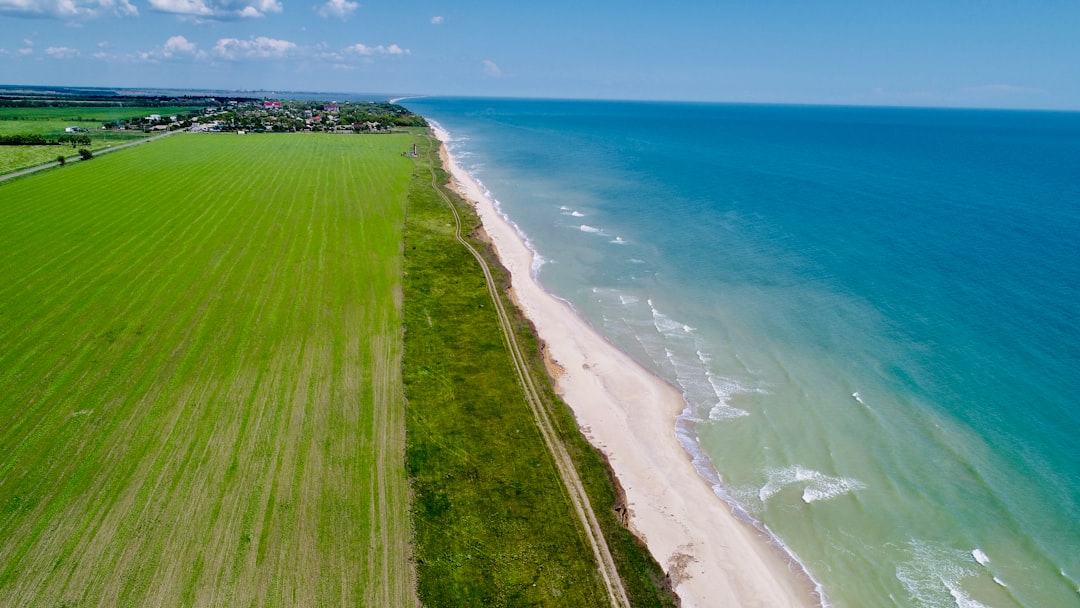
The Curonian Spit, a narrow peninsula stretching 97 kilometers between the Curonian Lagoon and the Baltic Sea, is a breathtaking natural wonder that seamlessly blends history, culture, and artistry. Located in Nida, Lithuania, this UNESCO World Heritage site is a testament to the powerful forces of nature and the resilience of the local communities that have thrived here for centuries.
### History and Origins
The history of the Curonian Spit is as intricate as its shifting sands. Originally inhabited by the Curonian tribe, the area has seen a confluence of influences over the centuries. The first significant settlements occurred in the 13th century when the Teutonic Knights arrived, establishing control over the region. This marked the beginning of centuries of conflict and cultural exchange between various nations, including Lithuania, Poland, and Russia.
In the 18th century, the region became a popular destination for the Prussian nobility, who were enchanted by its natural beauty. Towns like Nida and Juodkrantė flourished, and wooden houses reflecting the traditional architecture began to dot the landscape. The establishment of Kuršių Nerija National Park in 1991 was a pivotal moment, aimed at preserving the unique ecosystems and cultural heritage of the peninsula.
### Art and Architecture
The architecture of the Curonian Spit is a charming blend of traditional fishermen’s houses and modern designs. The houses in Nida are particularly striking, with their colorful facades and steeply pitched roofs. Many buildings showcase Fishermen's Baroque styles, which combine functionality with aesthetic appeal.
Art plays a significant role in the culture of the Curonian Spit. The area is home to the Amber Museum, located in a former fisherman’s house in Nida, which celebrates the region’s rich tradition of amber craftsmanship. Local artists often draw inspiration from the stunning landscapes, leading to a vibrant scene of paintings and sculptures that reflect the natural beauty surrounding them.
### Local Culture and Traditions
The local culture of the Curonian Spit is deeply rooted in its fishing heritage. Traditional customs are still alive in the vibrant fishing festivals held throughout the year, where locals celebrate with music, dance, and, of course, freshly caught fish. The Fishermen’s Day in Nida is a highlight, featuring competitions, fish tastings, and the opportunity to learn about the region’s fishing techniques.
The legends of the Curonian Spit are equally captivating. Tales of mermaids and sea spirits abound, passed down through generations, adding a layer of mystique to the already enchanting landscape. The local Curonian dialect, a unique form of language, further enriches the cultural tapestry of the region.
### Gastronomy
The culinary offerings of the Curonian Spit are a reflection of its maritime heritage. Fresh fish is a staple, with local restaurants serving specialties such as smoked eel and sprats. The quaint cafes in Nida tempt visitors with dishes like skilandis (a type of smoked sausage) and hearty potato pancakes known as bulviniai blynai.
Don’t miss the opportunity to try Šaltibarščiai, a refreshing cold beet soup, perfect for warm summer days. Pair your meal with a glass of Kvass, a traditional fermented beverage, or indulge in a glass of locally brewed beer while soaking in the views of the lagoon.
### Lesser-known Curiosities
While many visitors flock to the famous moving sand dunes and picturesque coastal views, some hidden gems remain off the beaten path. The Hill of Witches in Juodkrantė is a captivating site where wooden sculptures depict characters from Lithuanian folklore, providing a surreal experience as you walk through the forest.
Another lesser-known fact is the Dancing Forest, located near Rybachy. This unique forest features trees that have grown in twisted and unusual shapes, creating an otherworldly atmosphere that feels almost magical. The stories and legends associated with this forest are as fascinating as the trees themselves.
### Practical Visitor Information
The best time to visit the Curonian Spit is during the late spring and summer months, from May to September, when the weather is warm and the natural beauty is in full bloom. Be sure to pack comfortable shoes for exploring the trails and dunes, and don’t forget your camera to capture the stunning landscapes.
When visiting, consider taking a bike ride along the scenic paths that weave through the pine forests and alongside the beaches. Local guides are available for those looking to dive deeper into the history and ecosystems of the area, offering insights that enrich the experience.
For a truly personalized journey, use the Secret World app to plan your perfect itinerary in Nida, ensuring you uncover all the hidden treasures this enchanting place has to offer.