


Located just a few kilometers north of Petra, Little Petra is an archaeological site that encapsulates the history and culture of the Nabataeans, an ancient Arab people who thrived through trade along the Silk Road. This place, also known as Siq al-Barid, is characterized by structures carved into sandstone walls, telling stories of a rich and fascinating past.
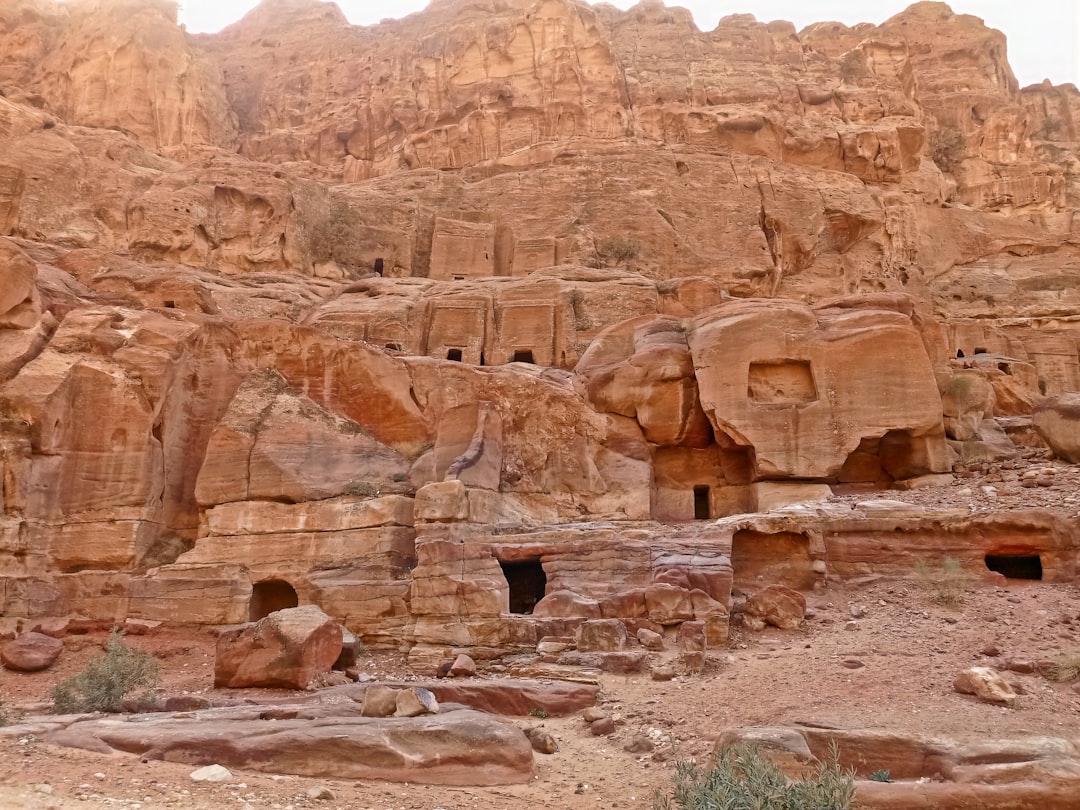
The discovery of Little Petra offers a unique insight into the life of the Nabataeans and their architecture, making it a must-visit for anyone traveling to Jordan. Although less known compared to its famous sister, Petra, Little Petra is a corner of tranquility and beauty that deserves exploration.
History and Origins
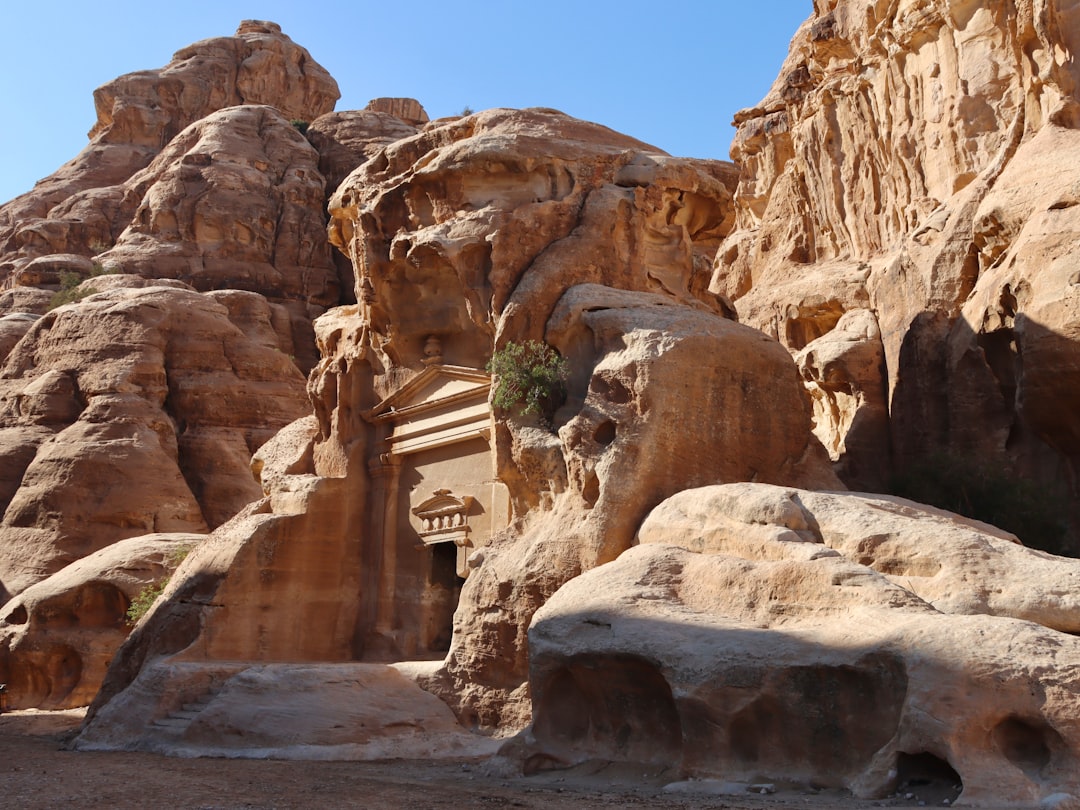
Little Petra dates back to the time of the Nabataeans, likely during the 1st century AD, when trade flourished in the region. It is believed to have been a suburb of Petra, designed to accommodate merchants and travelers passing through trade routes. Its strategic location, near major trade paths, contributed to its historical significance.
With the decline of Nabataean power, Little Petra fell into disuse and was abandoned for centuries, becoming a refuge for Bedouin nomads. Only in the 20th century did archaeological excavations begin to reveal the wonders of this site, bringing to light its historical and cultural importance.
Elements to Observe
One of the most fascinating aspects of Little Petra is its unique landscape, characterized by a 450-meter-long canyon that connects three wide open areas. The structures carved into the rock, although smaller than those in Petra, offer a captivating glimpse into the artistic and architectural skills of the Nabataeans. Among the most notable constructions are the remains of homes and temples, which testify to the daily life of this ancient people.
Another element not to be missed is the Siq al-Barid itself, a narrow and evocative passage that leads visitors through a landscape of colorful rocks and unique geological formations. This path offers an immersive experience that invites contemplation and discovery.
Why It Is Interesting Today
Little Petra represents a key stop for understanding Nabataean civilization and its impact on the history of Jordan. Today, this site is less crowded than Petra, offering a more intimate and tranquil experience for visitors. The opportunity to explore without the crowds allows for a full appreciation of the beauty and history of this place.
Moreover, Little Petra is part of the UNESCO World Heritage, highlighting its cultural and historical importance. Visiting this site is not just a journey into the past, but also an opportunity to reflect on the legacy of the Nabataeans and the importance of preserving historical sites.
Practical Information for Visitors
Little Petra is easily accessible from Petra and can be visited in a day. Admission is free, making it an ideal option for those looking to explore without spending too much. It is advisable to bring water and snacks, as tourist facilities are limited. Additionally, wearing comfortable shoes is essential to navigate the rocky paths and uneven terrain.
Finally, for those wishing to deepen their experience, the Secret World app offers detailed information on sites to visit and tips on how to best plan their trip to Jordan.


