
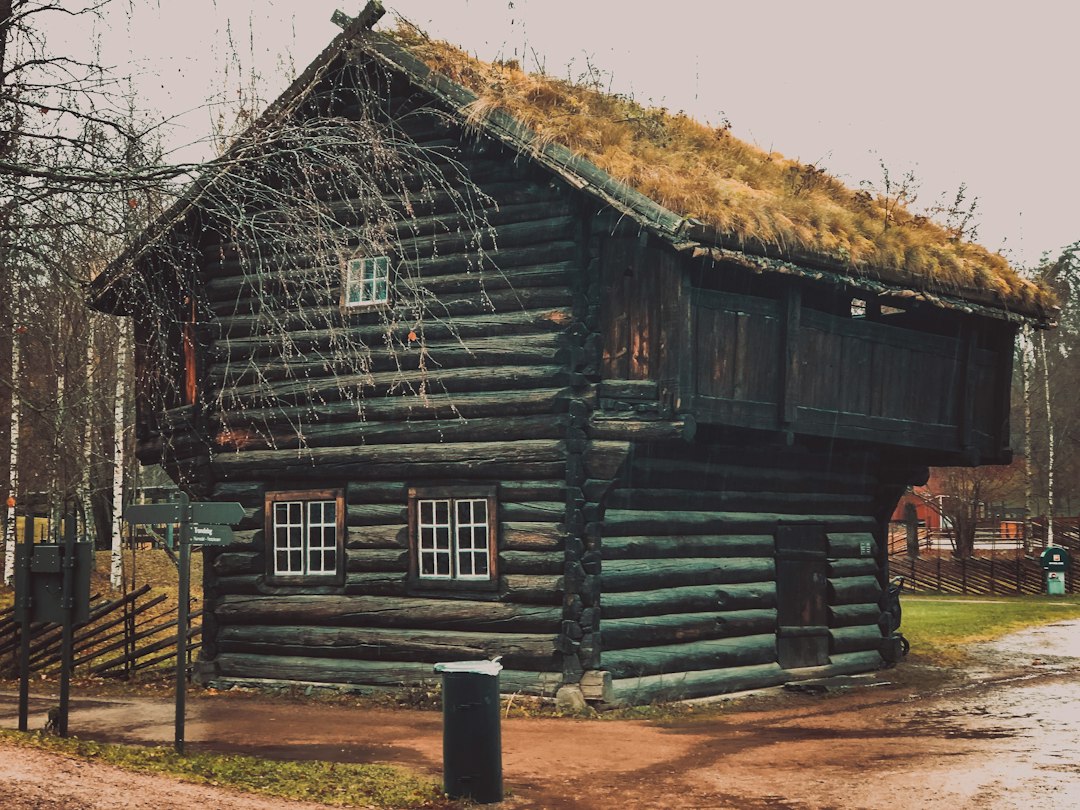

In 1983, during some agricultural work on the island of Vestvågøy, in the Lofoten, archaeologists uncovered the remains of an extraordinary wooden structure: a Viking longhouse approximately 83 meters long, the largest ever found to date. Around that site, in 1995, the Lofotr Viking Museum opened, a museum that does not just display artifacts under glass, but physically reconstructs the world of the Vikings in the Arctic landscape in which they lived.
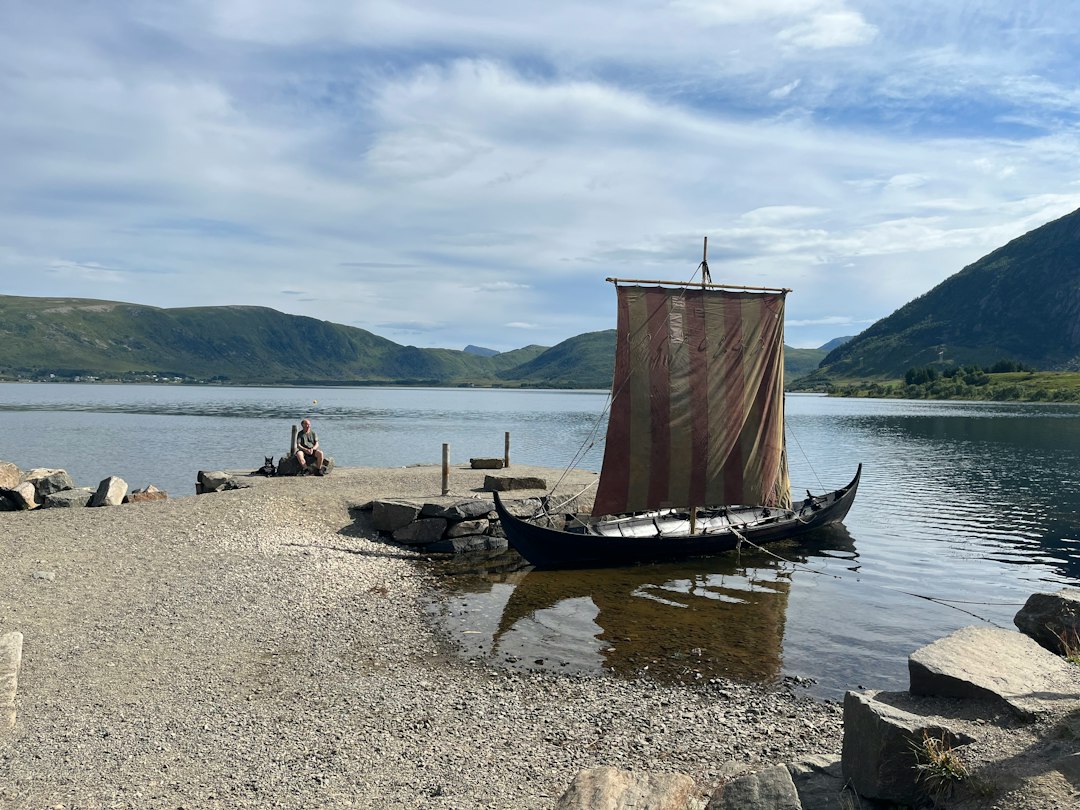
The main building — a faithful reconstruction of the original longhouse — dominates the hill of Borg with its elongated silhouette, the turf roof, and the darkened wooden walls. Around it, the panorama of the Lofoten offers mountains that plunge steeply into the fjords and a sky that in summer knows no sunset. This is not a secondary scenic detail: the geographical context is an integral part of the experience, because the Vikings who inhabited this place were sailors and farmers shaped by this very landscape.
The longhouse and the original artifacts
Entering the reconstructed longhouse means traversing almost a hundred meters of internal space divided into distinct areas: the barn for animals, the living areas, the banquet hall with the central fire. The smoke rises to the ceiling, the hides are laid out on the benches, and the displayed objects — functioning reproductions of tools, textiles, ceramics — are placed where they would have been used, not in separate display cases. This narrative approach makes the visit tangible and understandable even for those unfamiliar with archaeology.
The original artifacts found during the excavations include imported items from Western Europe and Francophone regions, a sign that the clan chief who lived in Borg maintained long-distance trade relations. Among the most significant pieces is a fragment of colored glass of Frankish production, extremely rare in Nordic contexts of the time. These objects are displayed in the museum area dedicated to the excavations and help to understand that Borg was not an isolated settlement, but a node in a network of exchanges that spanned the continent.
Immersive activities: craftsmanship, banquets, and rowing
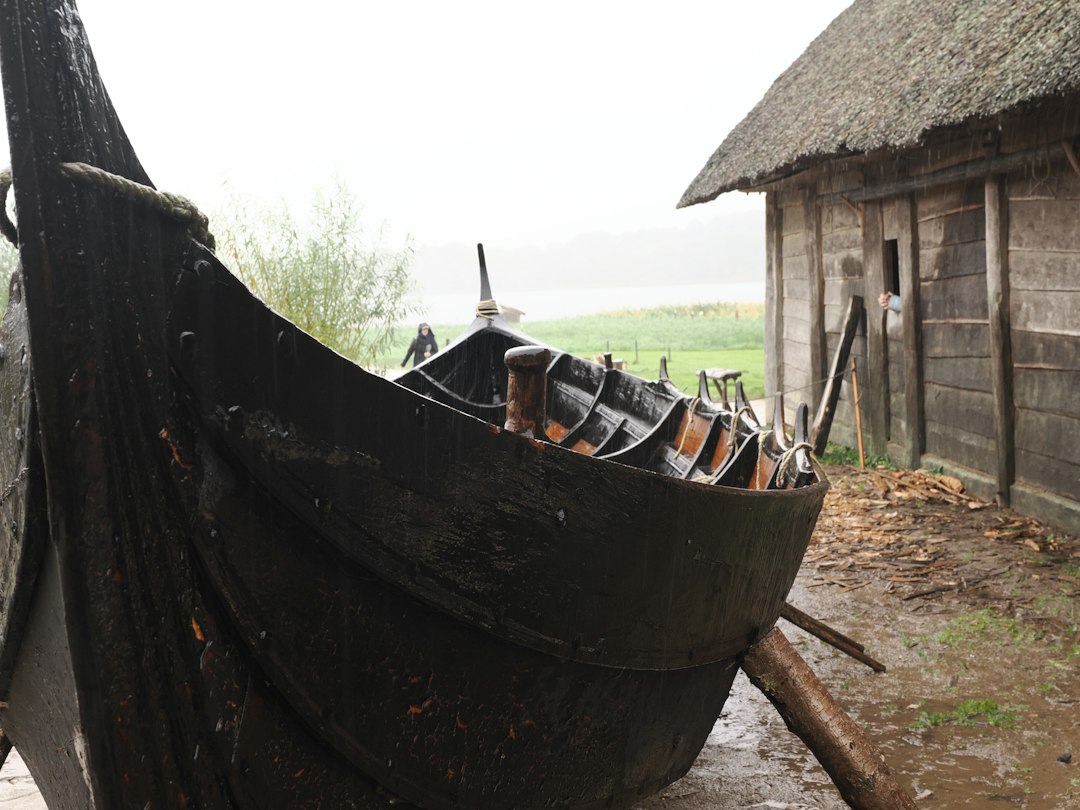
The Lofotr Viking Museum has built its reputation mainly on the practical activities it offers to visitors. In the summer, it is possible to participate in craftsmanship workshops — ironworking, weaving, leatherworking — conducted by staff in costume who demonstrate historically documented techniques. These are not folkloric shows, but reproductions based on archaeological and ethnographic sources.
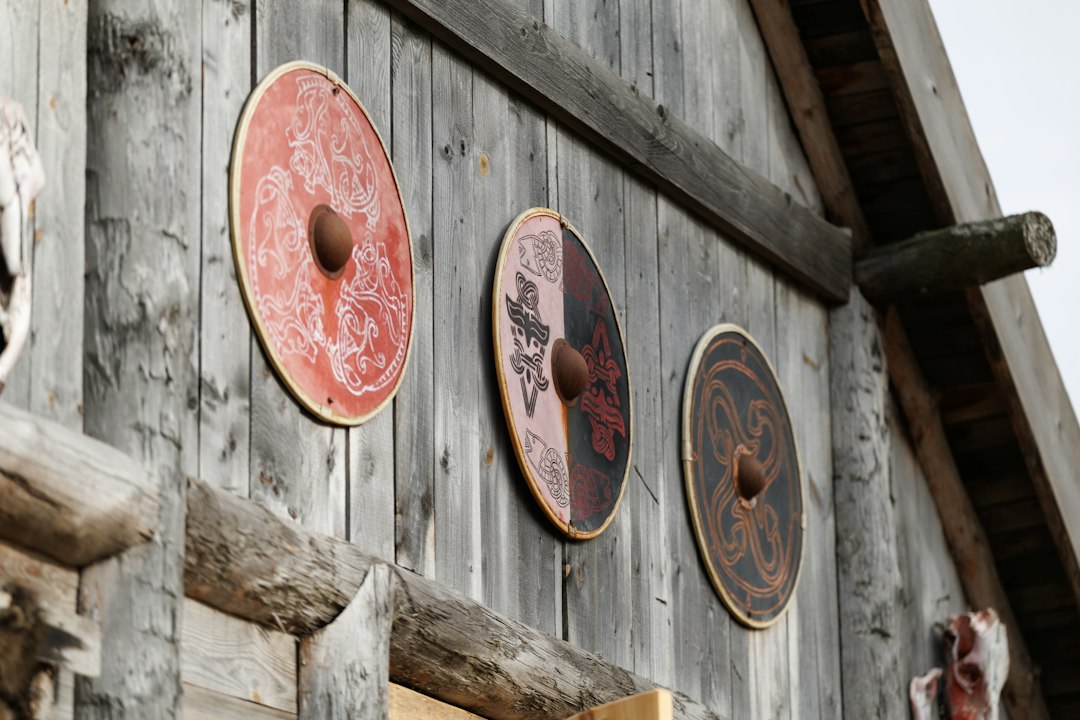
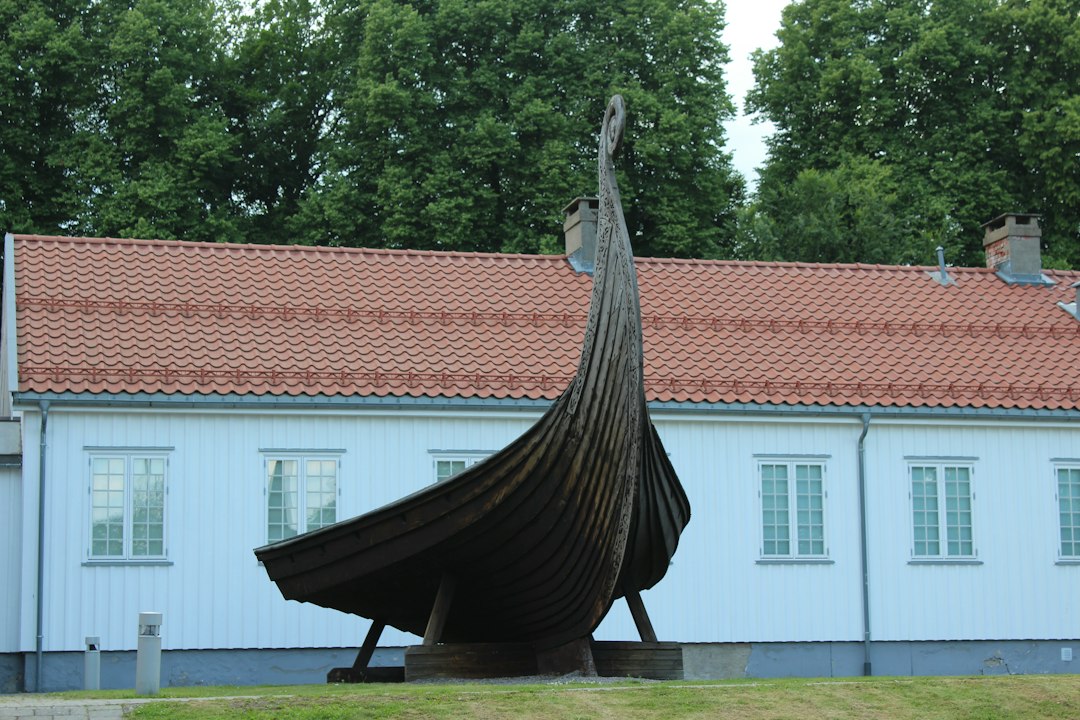
One of the most appreciated experiences is the evening Viking banquet, which takes place in the longhouse with food inspired by the diet of the time, mead, and live music. Seats are limited and must be booked in advance, especially during peak season. Equally popular is the opportunity to row on a functioning replica of a Viking ship in the adjacent fjord: an activity that requires group coordination and lasts about an hour, with instructors on board.
How to organize the visit
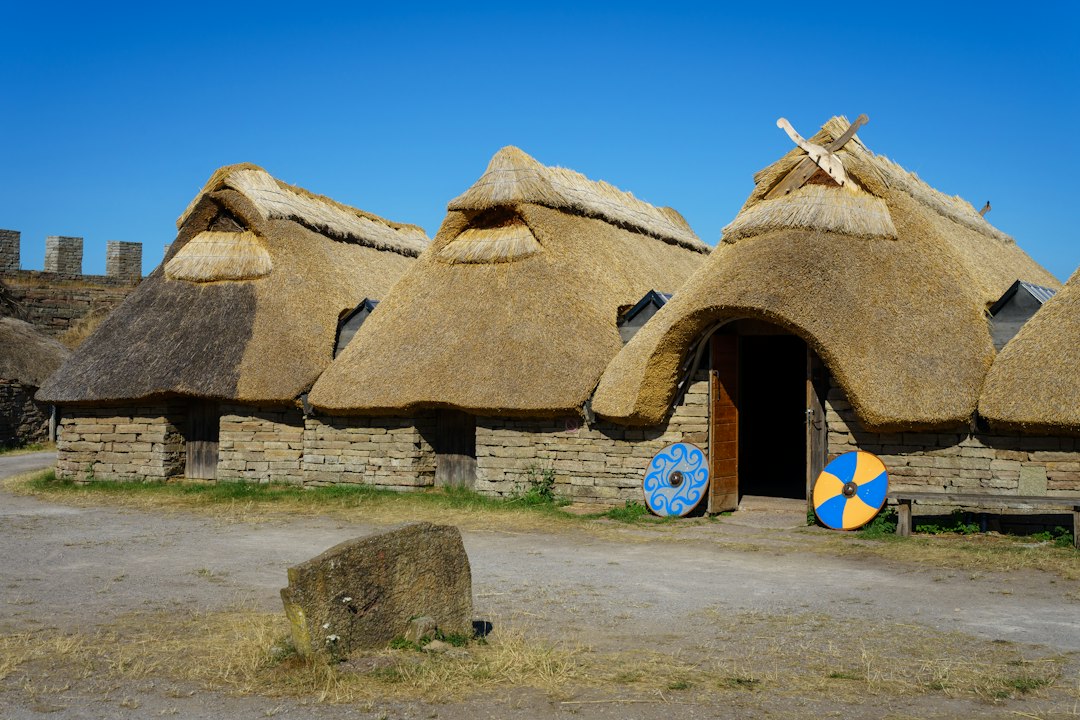
The museum is located in Borg, in the municipality of Vestvågøy, reachable by car from Leknes — the nearest urban center — in about 15 minutes. There is no direct public bus connection from the port of Svolvær, so renting a car is practically essential, unless one arranges with organized tours from Svolvær or Leknes.
The best time to visit is from June to August, when all activities are active and the museum organizes special events, including the annual Viking Festival that attracts enthusiasts and reenactors from all over Europe. The entrance ticket costs around 200 Norwegian kroner per adult (about 17-18 euros at the current exchange rate), with reductions for children and families. Allowing at least three hours for a complete visit is realistic; those participating in the evening banquet should add another two hours and plan for a late return.
What to Observe Carefully
Those who visit the museum with a critical eye will notice the care with which the construction details of the longhouse have been treated: the joints of the wood, the technique of laying the turf roof, the arrangement of the central hearth in relation to the ventilation openings. These elements are not decorative, but reflect engineering solutions documented by experimental archaeology conducted in collaboration with Scandinavian universities.
It is also worth pausing at the section dedicated to Viking cosmology, which illustrates through panels and objects the belief system related to the Nordic gods, the agricultural calendar, and funeral rituals. It is not a spectacular section, but it is among the densest in verifiable information and offers a less known perspective compared to the warrior image that often dominates the popular narrative about the Vikings.


