
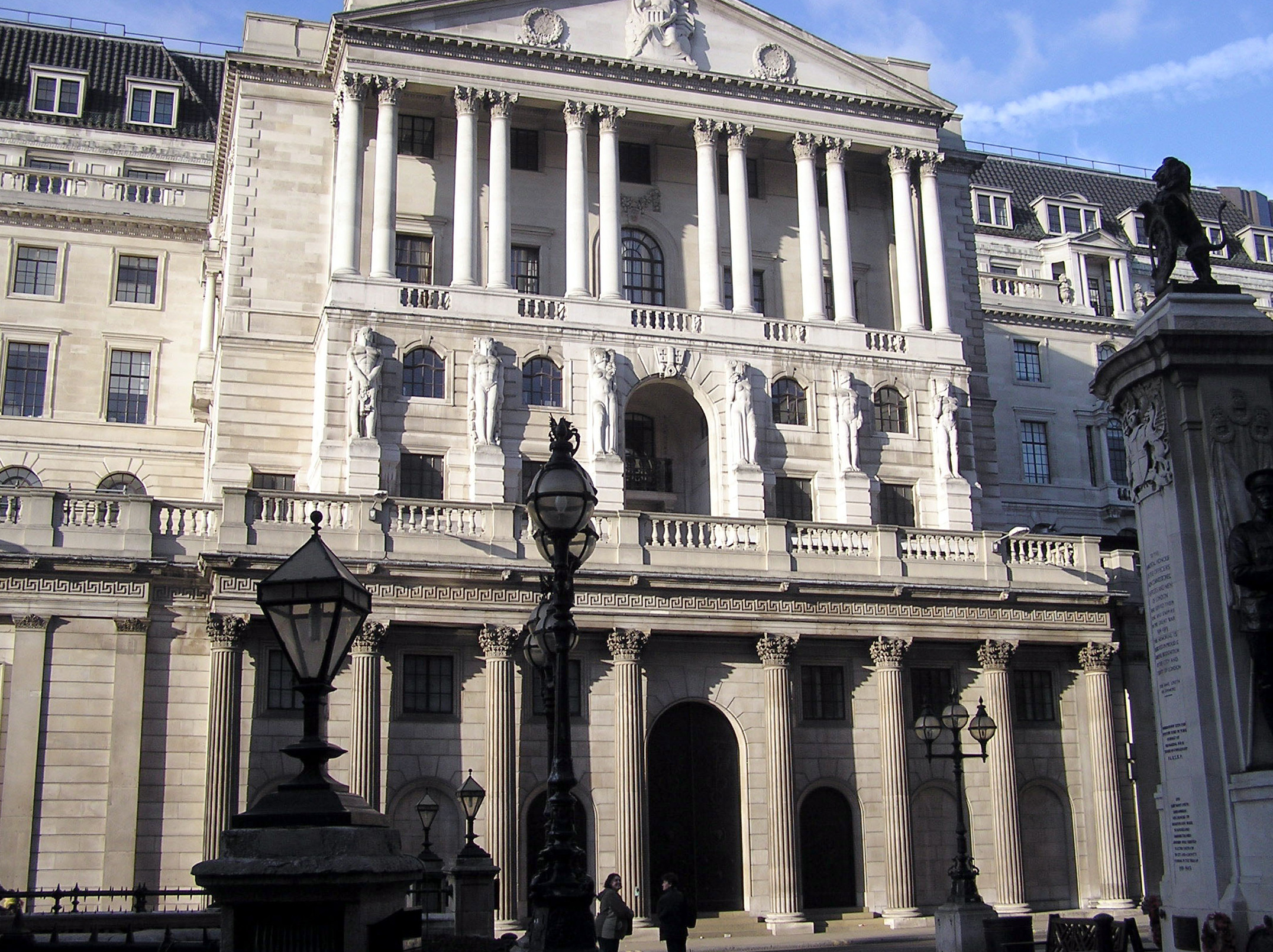

Amid the bustling streets of London, tucked away behind the hustle and bustle of Oxford Street, lies a gem of artistic and historical significance: the Wallace Collection. This national museum, housed in the grand Hertford House, invites visitors to step back in time and immerse themselves in a world of opulence and artistry.
The origins of the Wallace Collection date back to the 18th and 19th centuries, when it was amassed by the first four Marquesses of Hertford and Sir Richard Wallace, the illegitimate son of the 4th Marquess. The collection found its permanent home in London when Sir Richard’s widow, Lady Wallace, bequeathed Hertford House and its contents to the British nation in 1897. The museum opened to the public in 1900, offering a glimpse into the extravagant tastes of the aristocracy at the time.
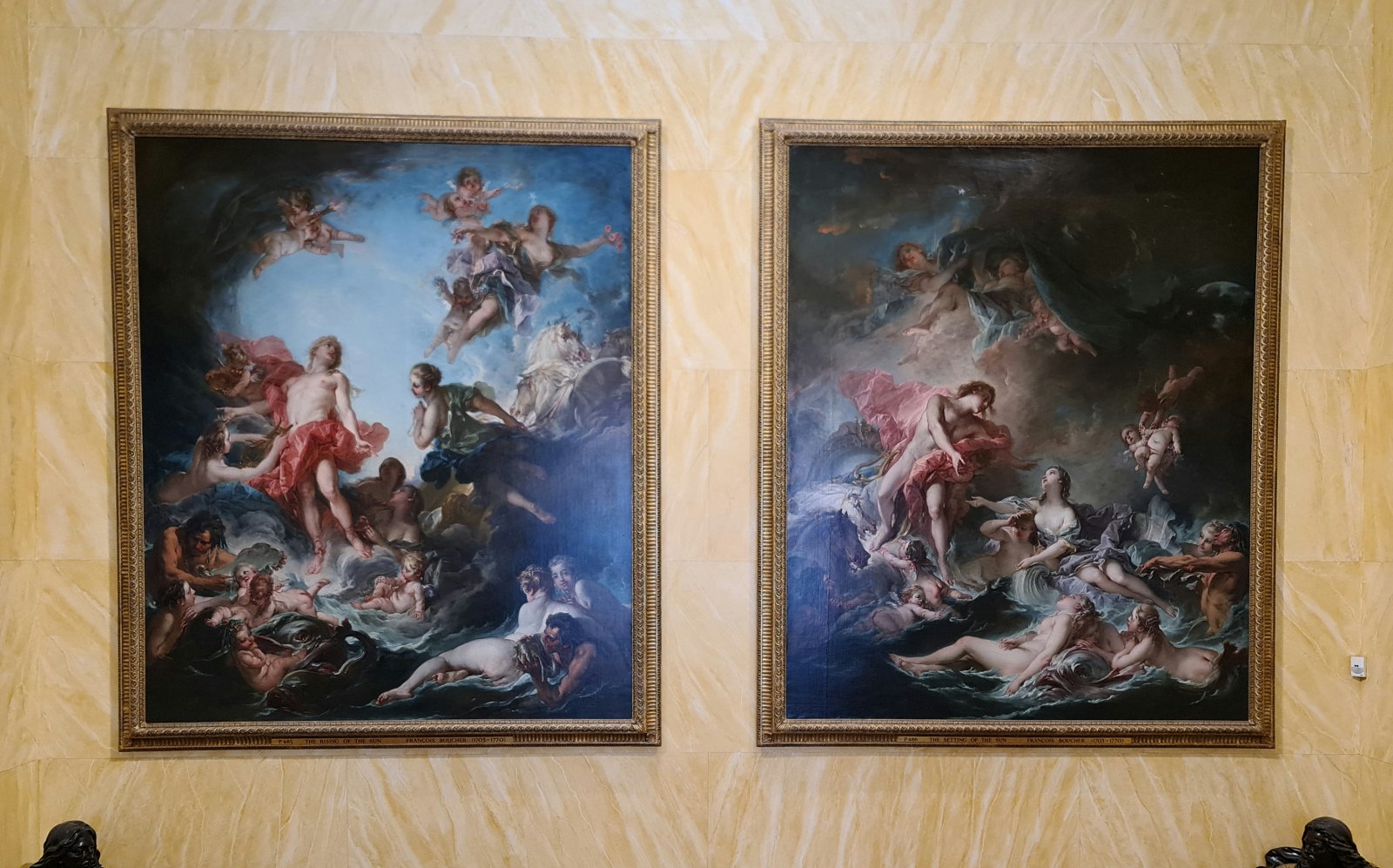
Architecturally, Hertford House itself is a marvel. Originally built as a townhouse in the late 18th century, it underwent significant modifications in the 19th century to suit the grandeur befitting its collection. The building’s classical facade belies the splendor within, where visitors can wander through 25 galleries adorned with sumptuous French 18th-century furniture, exquisite porcelain, and an unrivaled array of Old Master paintings. Among these treasures, works by Titian, Rembrandt, and Velázquez stand out, each telling stories of their own. The armoury is another highlight, featuring one of the world’s finest collections of arms and armor, from intricately decorated swords to full suits of armor that once belonged to European royalty.
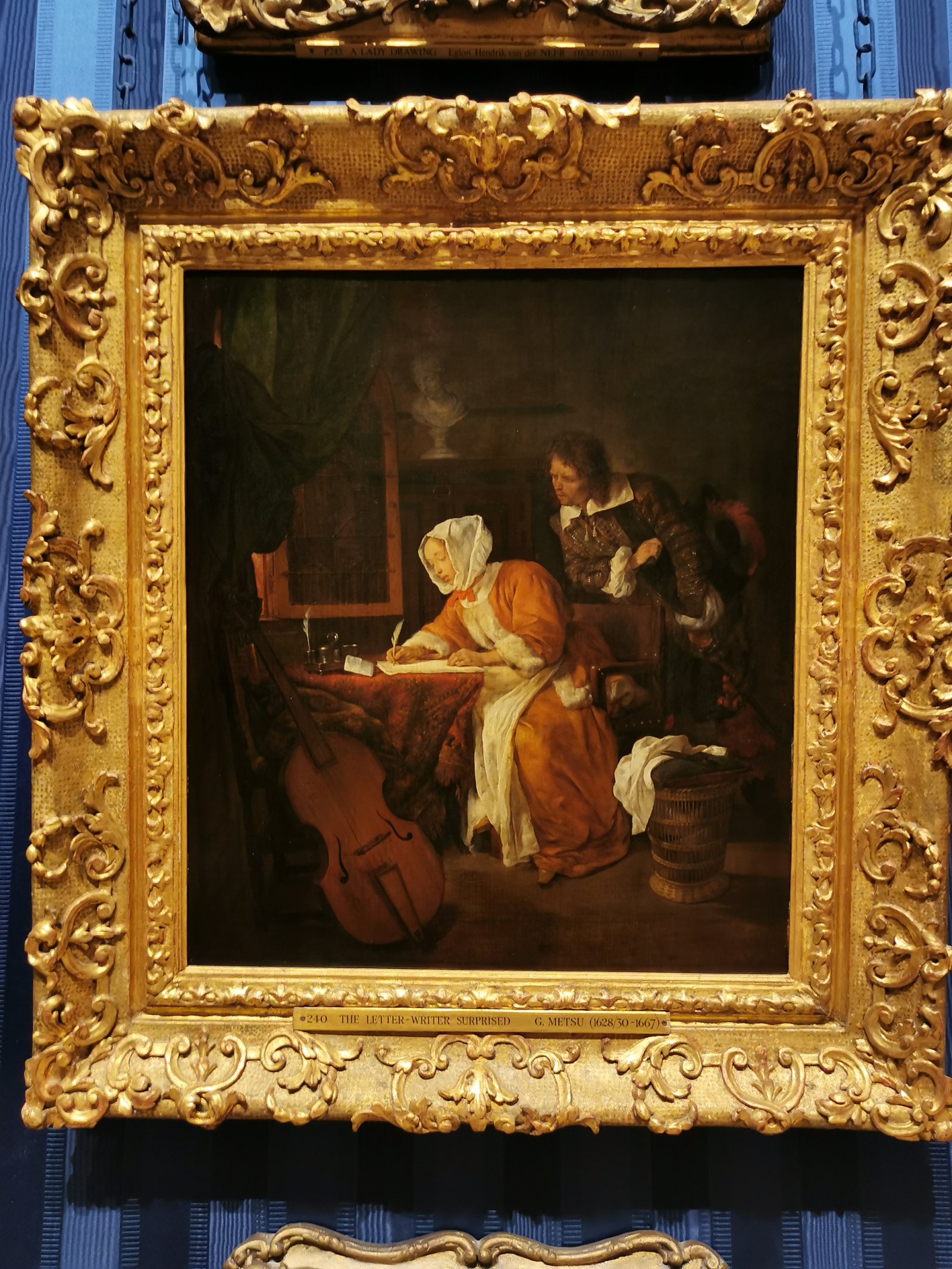
The Wallace Collection’s cultural significance extends beyond its artworks. It offers a window into the French Rococo and Neoclassical styles that dominated Europe during the 18th century. These styles influenced not only art and architecture but also the broader cultural landscape, including literature, fashion, and even politics of the era.
Visitors might be surprised to find that local traditions and customs subtly echo through the museum’s curated spaces. Though not directly tied to London’s festivals, the collection often participates in cultural events like Museums at Night, where the house’s history comes alive with night-time tours and storytelling sessions. These events foster a deeper connection with the collection, allowing modern audiences to engage with the past in innovative ways.
While the Wallace Collection does not boast its own gastronomy, a visit to its Wallace Restaurant offers a culinary experience that complements the museum's historic ambiance. Nestled within a charming glazed courtyard, the restaurant serves a menu inspired by classic British cuisine. Seasonal dishes like roasted lamb and fish pie pay homage to traditional English fare, while the afternoon tea selection captures the quintessentially British custom in a setting that feels as opulent as the galleries themselves.
Among the lesser-known curiosities of the Wallace Collection is its secret garden. Although not accessible to the public, it is said that the secluded garden was a personal refuge for Sir Richard Wallace. Another intriguing artifact often overlooked is the Great Gallery, recently refurbished to its former glory, offering a serene space where natural light illuminates the paintings, breathing life into the brushstrokes of Rubens and Poussin.
For those planning a visit, the Wallace Collection is open year-round, but the quieter months from October to March offer a more intimate experience. Free entry makes it an accessible treasure trove for all, yet its grandeur and depth often mean it remains underexplored compared to other London attractions. Allocate at least a couple of hours to truly appreciate the collection, and try to join one of the free guided tours for additional insights into its storied past.
A visit to the Wallace Collection is not merely an encounter with art; it is a journey through history, culture, and the personal stories of those who once cherished these masterpieces. As you wander through its halls, imagine the conversations and decisions that shaped not just the collection, but the very course of art history.


