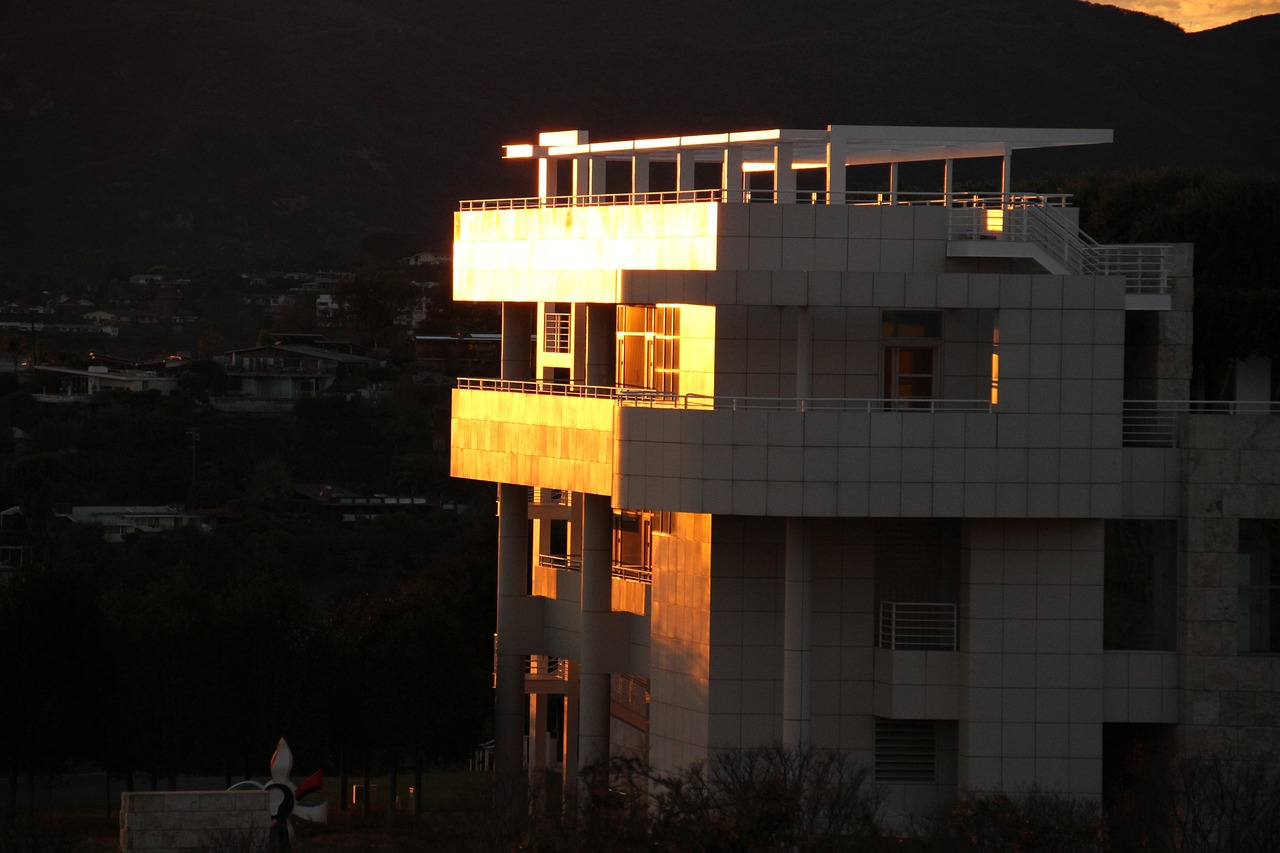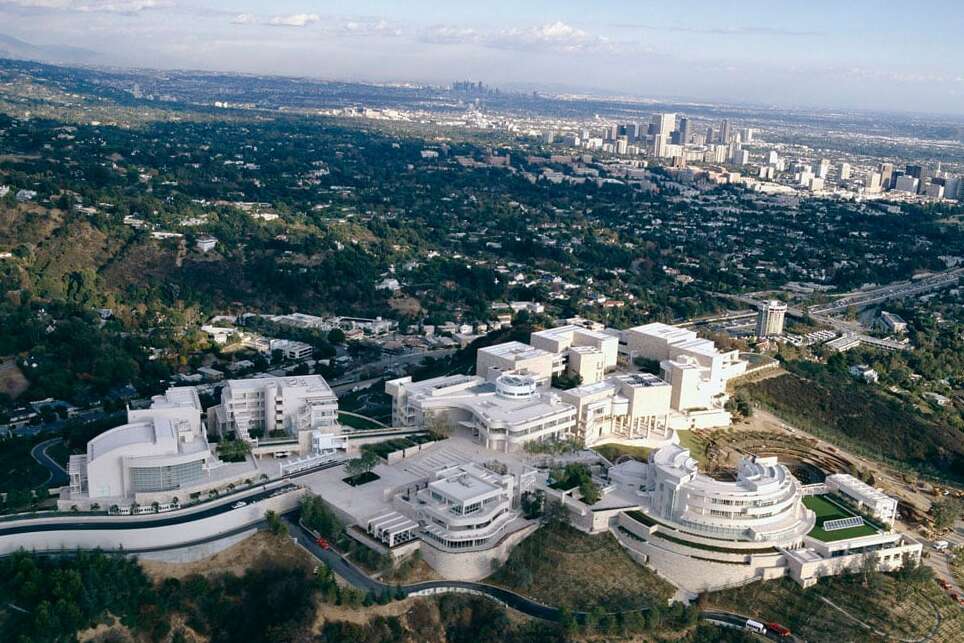

Nestled in the hills of Los Angeles, the Getty Center stands as a beacon of cultural richness and architectural brilliance. This remarkable institution is not only a museum; it is a complex of bright, modern white travertine buildings that house a treasure trove of art, making it a cultural landmark that attracts millions each year.
### History and Origins The Getty Center owes its existence to the vision of J. Paul Getty, an oil tycoon who had a profound appreciation for art and culture. Born in 1892 in Minneapolis, Getty amassed an impressive art collection throughout his life, which included works by masters such as Van Gogh, Rembrandt, and Monet. In 1974, he established the J. Paul Getty Museum in his home in Malibu, California. However, as his collection grew, so did the need for a more expansive space. In 1984, the Getty Trust acquired the 24.6-acre site in the Brentwood neighborhood of Los Angeles, which would eventually become the Getty Center.
The Center officially opened its doors on December 16, 1997, showcasing a stunning combination of art, architecture, and landscape. The design by architect Richard Meier reflects a modernist aesthetic, with its gleaming travertine walls and expansive glass windows, allowing natural light to enhance the viewing experience.
### Art and Architecture The architectural style of the Getty Center is a celebration of modernism, characterized by its clean lines and innovative use of materials. The complex includes multiple galleries, each dedicated to different periods and styles of art. Among the highlights are the European paintings, drawings, and sculptures, which span from the Middle Ages to the 20th century. Notable works include Van Gogh's “Irises,” Rembrandt's “Portrait of a Young Woman,” and Turner's atmospheric landscapes.
In addition to its vast collections, the Getty Center features the Central Garden, designed by artist Robert Irwin. This living artwork evolves with the seasons, showcasing a rich tapestry of flora and incorporating a cascading stream and a maze-like layout that invites exploration. The garden exemplifies the Getty's commitment to blending art with nature, creating an immersive experience for visitors.
### Local Culture and Traditions Los Angeles is a melting pot of cultures, and the Getty Center reflects this diversity through its programming. The museum hosts a variety of events throughout the year, including lectures, performances, and family-friendly festivals that celebrate different cultural traditions. The Getty's commitment to education is evident in its outreach programs, which aim to engage the local community with art and history.
The Getty Center also participates in Museum Free Days, offering visitors the chance to explore its galleries without an admission fee, fostering a culture of accessibility and appreciation for the arts.
### Gastronomy While the Getty Center is primarily renowned for its art, it also offers a delightful culinary experience. The Getty Restaurant features a menu inspired by the Mediterranean, utilizing fresh, local ingredients. Signature dishes include grilled octopus, seasonal salads, and a variety of artisanal cheeses. For a more casual option, the Cafe provides quick bites like sandwiches and pastries, perfect for a light lunch before heading back to the galleries.
### Lesser-Known Curiosities Despite its fame, there are several hidden gems within the Getty Center that often go unnoticed. One fascinating detail is the museum's impressive photography collection, which includes works by iconic photographers such as Andreas Gursky and Cindy Sherman. Additionally, the Getty Center is home to a stunning library that houses more than 250,000 volumes on the history of art, making it a valuable resource for researchers and art enthusiasts alike.
Moreover, the Getty Trust has made significant contributions to the preservation of art and cultural heritage, funding projects around the world aimed at restoring historical sites and artworks.
### Practical Visitor Information The best time to visit the Getty Center is during weekdays, especially in the spring and fall when the weather is mild and crowds are thinner. Admission to the museum is free, but parking costs $20. To maximize your experience, consider joining one of the guided tours offered daily, which provide insights into the collections and architecture.
Don’t forget to explore the various educational programs available, ranging from workshops to art classes designed for all ages. Be sure to take your time in the Central Garden, as it offers a serene escape from the bustling city.
With its extraordinary blend of art, architecture, and nature, the Getty Center invites visitors to not just observe, but to engage deeply with the cultural fabric of Los Angeles.
For a personalized itinerary that includes hidden treasures and local favorites, consider using the Secret World app to plan your visit to Los Angeles.