
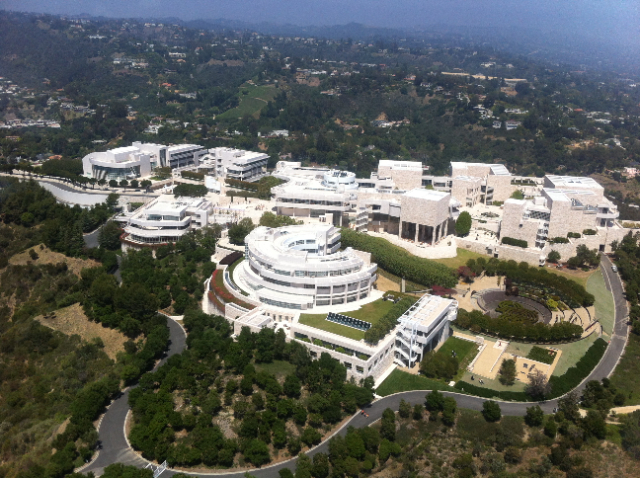

Perched majestically atop the hills of Los Angeles, The Getty Center is a beacon of cultural and artistic enlightenment. This architectural marvel, designed by renowned architect Richard Meier, opened its doors in December 1997, forever changing the landscape of art institutions in the United States. The center houses the Getty Museum, the Getty Research Institute, the Getty Conservation Institute, the Getty Foundation, and a branch of the Getty Museum itself, making it one of the most comprehensive art complexes in the world.
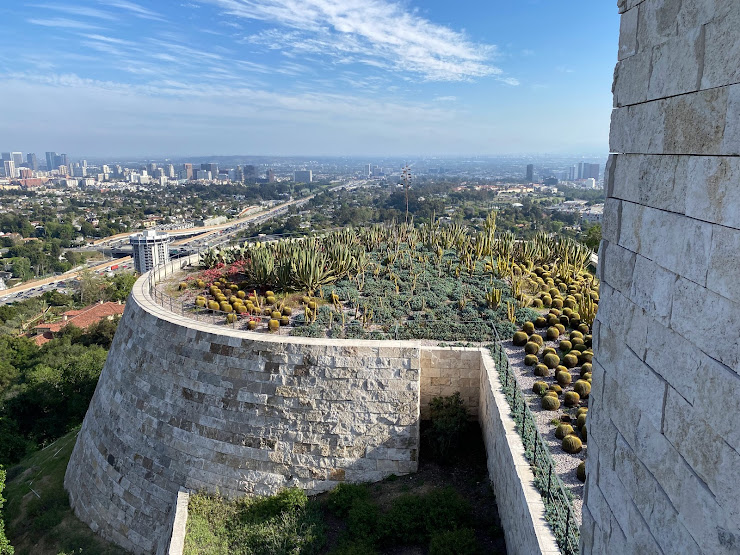
The roots of the Getty Center trace back to the vision of oil magnate J. Paul Getty, whose vast art collection and wealth laid the foundation for this cultural oasis. The original Getty Museum opened in 1954 in Getty's ranch house in Malibu, but as the collection grew, so did the need for a larger space. This led to the establishment of the Center in Brentwood, designed to not only house art but to connect visitors to the breathtaking natural beauty of California.
The architecture of the Getty Center is a masterclass in modern design, characterized by Meier's signature use of white travertine stone and curved forms. The sprawling 110-acre campus is an art piece in itself, with its clean lines and open spaces that invite reflection. Perhaps the most iconic feature is the Central Garden, designed by artist Robert Irwin. This living sculpture is a constantly evolving artwork, with a circular maze of azaleas at its heart, surrounded by tree-lined paths and tranquil water features.
Inside, the art collection spans from medieval times to the present, boasting masterpieces such as Van Gogh's "Irises" and Rembrandt's "The Abduction of Europa." The Getty's photography collection is one of the largest in the country, while its decorative arts and sculpture collections provide a rich tapestry of cultural history.
Though Los Angeles is a melting pot of cultures, the Getty Center itself is a testament to the city's dedication to preserving and promoting global cultural heritage. While the museum does not host traditional festivals, it celebrates art and culture through temporary exhibitions, lectures, and educational programs that engage the local community and visitors alike.
While the Getty Center doesn't have a dedicated restaurant serving traditional Californian cuisine, it does offer delightful dining experiences that feature locally sourced ingredients. The Getty Restaurant and Cafe provide stunning views over Los Angeles, with menus offering a modern take on classic dishes, perfect for a relaxing lunch or a leisurely dinner.
Among the lesser-known curiosities of the Getty Center is the fact that its travertine stone, sourced from Bagni di Tivoli near Rome, Italy, was meticulously chosen for its unique quality of changing color with the sun's movement. This gives the building a dynamic appearance throughout the day. Additionally, the Getty Center is one of the few places where you can experience a hovertrain funicular ride, a feature that adds a touch of futuristic charm to your visit.
For practical visitor information, the best time to visit the Getty Center is during the spring or fall when the weather is mild, and the gardens are in full bloom. Arrive early to avoid the crowds and enjoy a peaceful exploration of the galleries. Don’t miss the free architecture tours that offer insights into Meier’s design philosophy, and make sure to linger in the Central Garden for a moment of tranquility.
The Getty Center is a gateway to the wonders of art and nature, and the Secret World app can help you craft your perfect Los Angeles itinerary, making every moment of your visit unforgettable.


