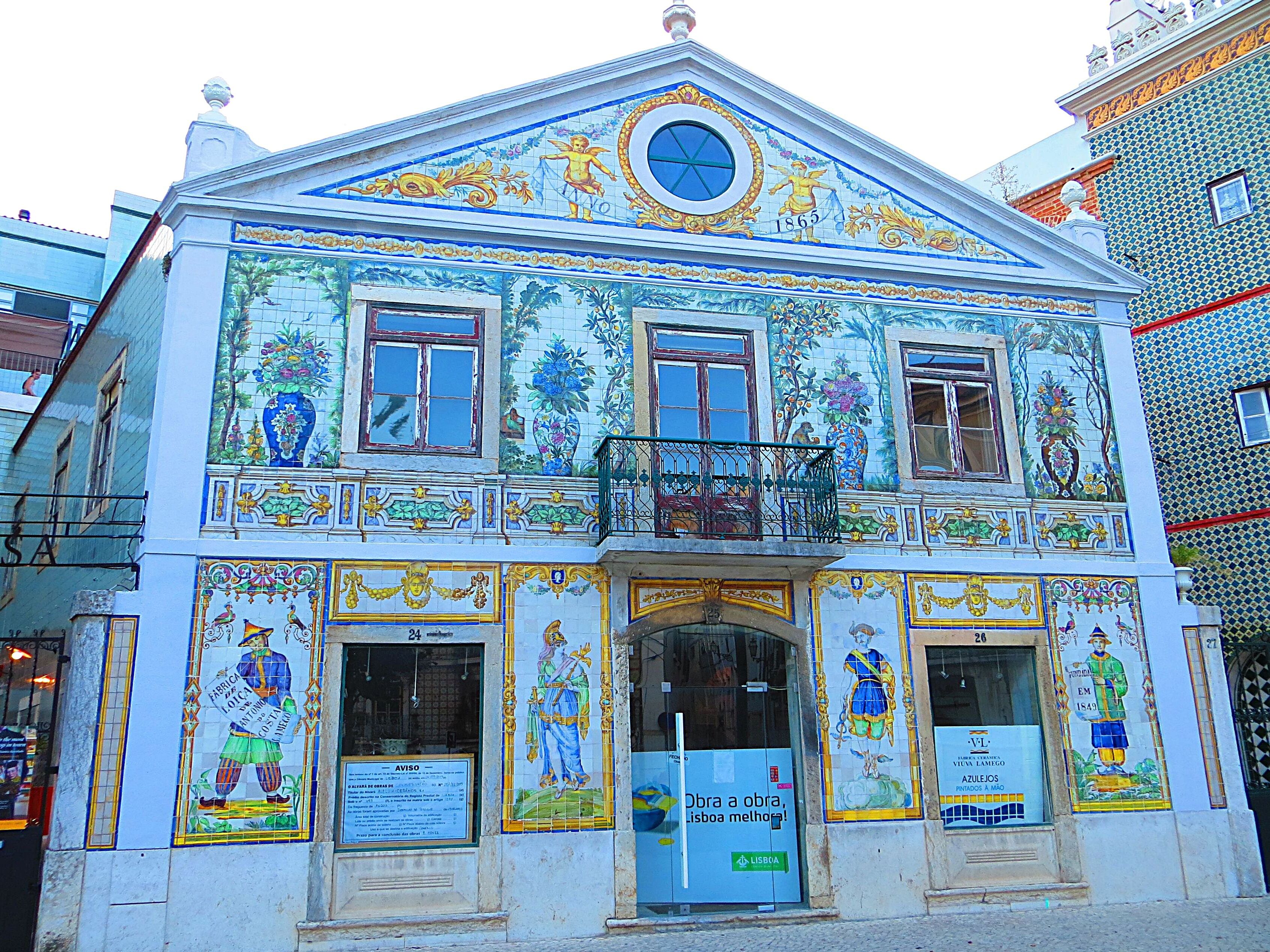

Nestled in the vibrant Intendente neighborhood of Lisbon, the Fabrica Viuva Lamego stands as a testament to Portugal's rich artistic heritage and cultural evolution. With its stunning facade and intricate azulejos (ceramic tiles), this establishment is not merely a shop; it is a portal into the country’s artistic past, resplendent in its beauty and historical significance.
### History and Origins The Fabrica Viuva Lamego was founded in the mid-1800s, specifically in 1849, by José Lamego, a visionary whose ambition was to revive traditional Portuguese pottery with a modern twist. Its name, which translates to “Widow Lamego,” stems from the widow of the founder, who continued the business after his passing, ensuring its survival and growth through challenging times.
The factory's origins are steeped in the Portuguese Renaissance, a period characterized by artistic exploration and the revival of classical forms. Over the decades, Fabrica Viuva Lamego has become synonymous with the intricate craftsmanship of azulejos, which are emblematic of Portuguese culture and often tell stories of historical significance or folklore. The factory has played a pivotal role in preserving these traditions while also embracing modern artistic expressions.
### Art and Architecture The architectural style of the Fabrica Viuva Lamego is a beautiful blend of neoclassical and Moorish influences, evident in its decorative facade adorned with colorful tiles. As you approach the shop, the vibrant hues of the azulejos catch the eye, often depicting scenes from Portuguese history, religious motifs, and nature.
Inside, visitors are greeted with a series of stunning displays that showcase both traditional and contemporary tile designs. Each piece is crafted with meticulous attention to detail, reflecting the labor of skilled artisans who have honed their craft over generations. Notably, the factory has collaborated with modern artists, infusing traditional techniques with innovative ideas, making it a focal point for art lovers and collectors.
### Local Culture and Traditions The Intendente neighborhood itself is a melting pot of cultures, embodying the spirit of Lisbon through its diverse population and vibrant street life. Festivals such as Festa de Santo António in June, where residents celebrate with parades, music, and food, resonate deeply within the community. Visitors can often find themselves swept up in the infectious energy of these local events, where the streets come alive with the sounds of traditional Fado music and the aromas of grilled sardines.
Customs here are rich and varied, with traditions often reflecting the neighborhood's multicultural essence. Locals celebrate the blending of cultures through food, music, and art, making it a dynamic area to explore.
### Gastronomy No visit to Lousa would be complete without indulging in the local gastronomy. The area is famous for its bacalhau à Brás, a comforting dish made with shredded cod, onions, and potatoes, bound together with scrambled eggs. Pastéis de Nata, the iconic Portuguese custard tart, can often be found in nearby cafés, providing a sweet complement to the savory delights.
Pair your meal with a glass of Vinho Verde, a light and refreshing wine produced in the region, or for those seeking something stronger, a shot of ginjinha, a cherry liqueur served in a chocolate cup, is a must-try. These culinary offerings highlight the rich flavors and cultural significance of Portuguese cuisine.
### Lesser-known Curiosities While many tourists flock to popular attractions, the Fabrica Viuva Lamego holds its own unique stories. One fascinating fact is that the factory has supplied tiles for notable buildings across Portugal, including the Igreja de São Roque, showcasing their craftsmanship on a national level. Additionally, the factory is known for its eco-friendly practices, utilizing traditional techniques that minimize waste, a detail that resonates with environmentally conscious visitors.
### Practical Visitor Information The best time to visit Lousa and the Fabrica Viuva Lamego is during the spring and early fall, when the weather is mild, and the city is less crowded. Weekdays are ideal for a more peaceful experience, allowing you to fully appreciate the artistry of the tiles without the hustle and bustle of weekend crowds.
When visiting, take your time to explore not only the shop but also the surrounding neighborhood, where you can find quaint cafés, street art, and local boutiques. Don't forget to look for unique tile patterns that reflect the history of Lisbon, and consider asking the artisans about their techniques to gain insight into this fascinating craft.
In conclusion, the Fabrica Viuva Lamego is more than just a store; it is a celebration of Portuguese culture, history, and artistry. To make the most of your visit to Lousa, consider using the Secret World app to craft a personalized itinerary that captures the essence of this vibrant area.
