
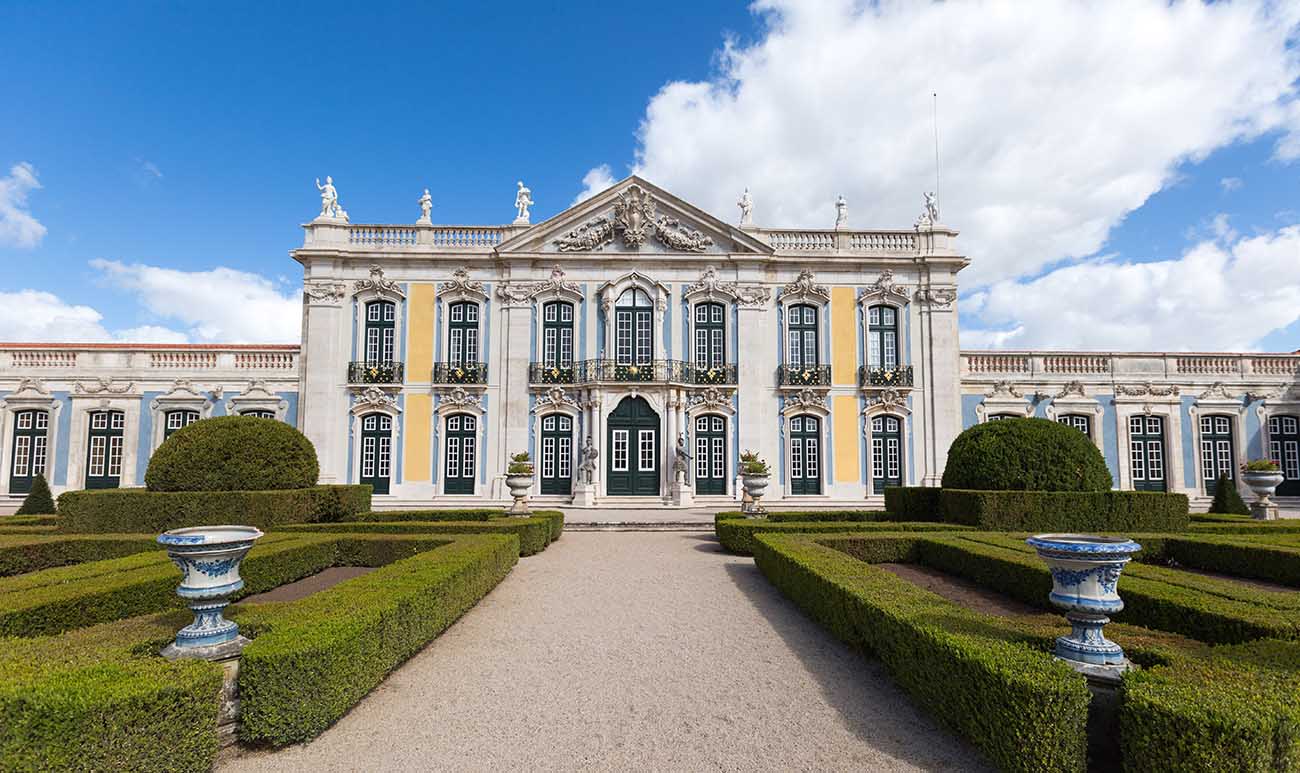

Nestled just outside Lisbon, the National Palace of Queluz stands as a testament to Portugal’s rich royal history and artistic grandeur. This magnificent palace, with its exquisite gardens, captures the essence of a bygone era, seamlessly blending baroque, rococo, and neoclassical influences into a single breathtaking experience.
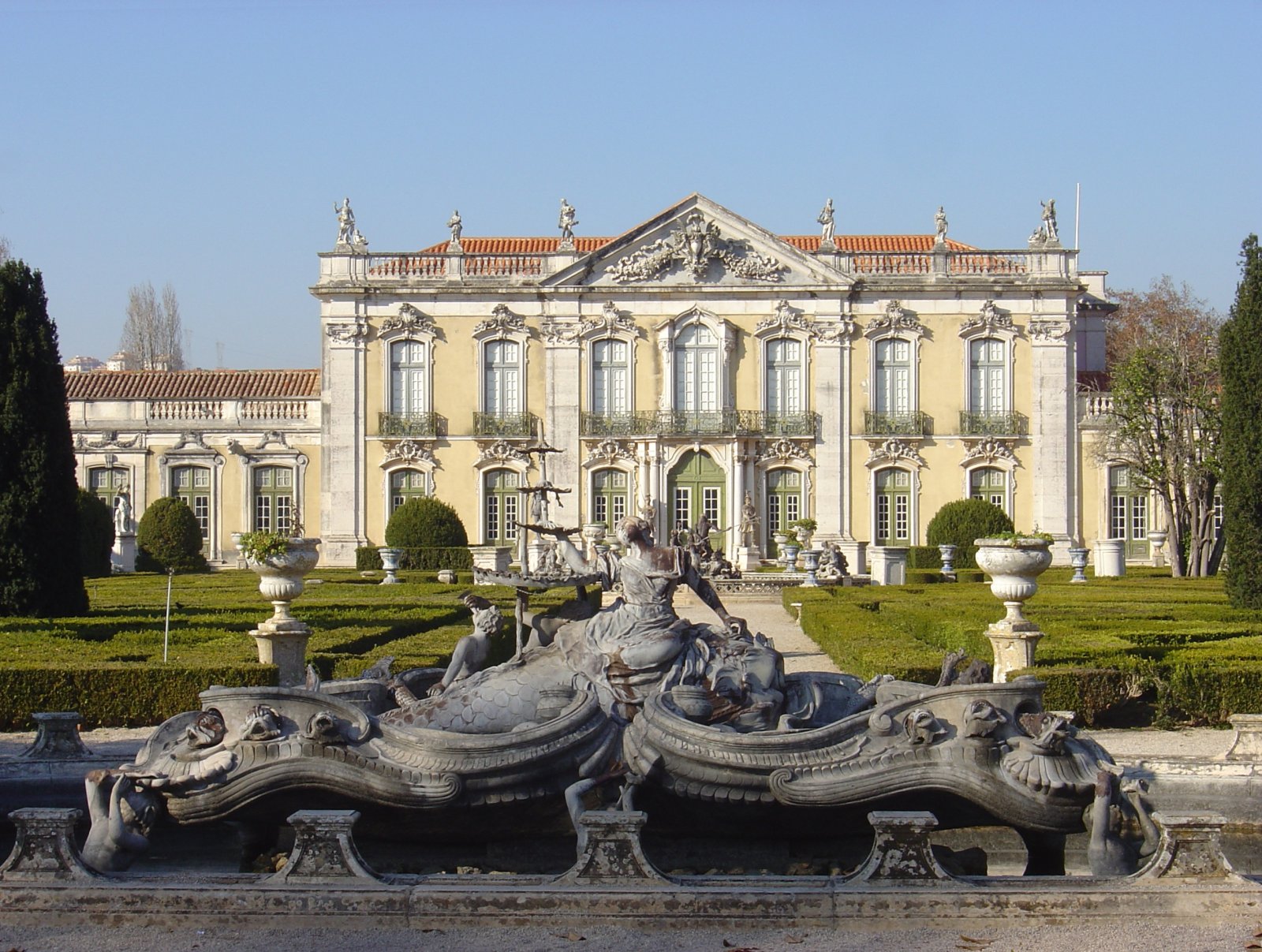
The story of the National Palace of Queluz begins in the mid-18th century when it was commissioned by Dom Pedro of Braganza, who later became King Pedro III of Portugal. Initially intended as a summer retreat, the palace soon transformed into a royal residence due to its opulence and grandeur. Construction began in 1747 under the direction of the architect Mateus Vicente de Oliveira, and later, the renowned French architect Jean-Baptiste Robillon enhanced its design. Over the years, the palace witnessed pivotal events, notably during the Peninsular War when it became a refuge for the Portuguese royal family escaping Napoleonic forces.
The palace's architectural style is a captivating fusion of baroque exuberance and rococo elegance, with later additions reflecting neoclassical sobriety. The Sala do Trono, or Throne Room, is particularly striking with its gilded woodwork and grandiose mirrors, reflecting the artistic zenith of the era. Noteworthy artworks adorn the palace, including ceiling paintings by artists such as João de Almeida and André Gonçalves, which depict mythological themes in vivid detail. The intricate tile panels, or azulejos, are another highlight, illustrating pastoral scenes and stories from classical mythology.
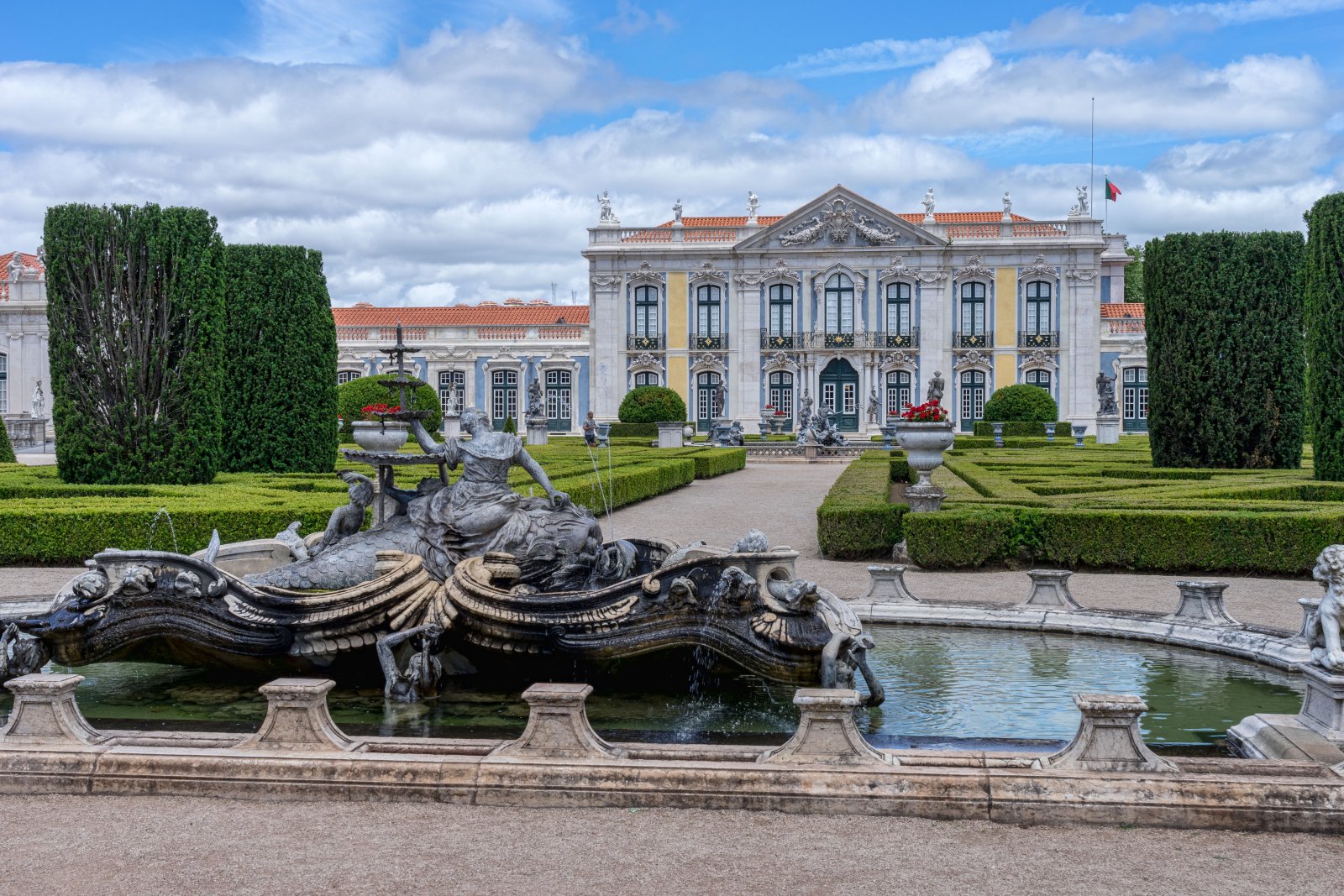
Beyond the palace walls, the historical gardens of Queluz unfold like a tapestry of carefully curated landscapes. Designed partially by the celebrated Dutch gardener João Fransisco Ludovice, these gardens are a living gallery of 18th-century landscape artistry. The gardens feature elaborate fountains, such as the mesmerizing Neptune Fountain, and exotic plants that transport visitors to a world of royal leisure and contemplation. The Tiled Canal, with its blue and white azulejos, offers a picturesque promenade that whispers tales of courtly elegance.
Cultural traditions in Queluz are deeply intertwined with its royal past. The town celebrates festivals such as the Festas de Nossa Senhora da Conceição, honoring the patron saint with processions and local music. The palace itself often serves as a backdrop for classical music concerts, echoing its history as a venue for artistic patronage.
Gastronomy in Queluz embraces traditional Portuguese flavors, with a nod to the opulent feasts once enjoyed by the royals. Visitors can savor dishes such as bacalhau à brás, a beloved codfish recipe, or indulge in travesseiros de Sintra, a pastry delicacy from the nearby town of Sintra. Local wines, especially the robust reds of the Lisbon region, complement these culinary delights perfectly.
Among the lesser-known curiosities of the palace is its connection to Queen Maria I of Portugal, who spent her final years at Queluz. Her tragic descent into madness adds a poignant layer to the palace's history. Another intriguing detail is the presence of a secret tunnel that links the palace to the gardens, once used by the royal family to move discreetly between the two.
For travelers planning a visit, the National Palace of Queluz is open year-round, but the lush gardens are particularly enchanting in spring when the flowers are in full bloom. Arriving early is advisable to avoid the crowds and to fully appreciate the serene beauty of the grounds. Don't miss the guided tours, which offer deeper insights into the palace's history and artistry. As you explore, keep an eye out for the playful peacocks that roam the gardens, adding a touch of whimsy to this already magical setting.
In sum, the National Palace of Queluz is more than a historical monument; it is a vivid tapestry of Portugal’s regal past, an artistic triumph, and a cultural treasure. Each visit offers a fresh glimpse into a world where history, art, and nature harmoniously coexist, inviting every visitor to embark on a journey through time.


