
← Back

Manduria

74024 Manduria TA, Italia ★★★★☆ 175 views
Fabiana Hornett
Manduria
🏆 AI Trip Planner 2026

Get the free app

Discover the best of Manduria with Secret World — the AI trip planner with 1M+ destinations. Get personalized itineraries, hidden gems and local tips. Free on iOS & Android.

🧠 AI Itineraries 🎒 Trip Toolkit 🎮 KnowWhere Game 🎧 Audio Guides 📹 Videos
Scan to download iOS / Android
Scan for AppGallery Huawei users

About Manduria

Manduria - Manduria | Secret World Trip Planner

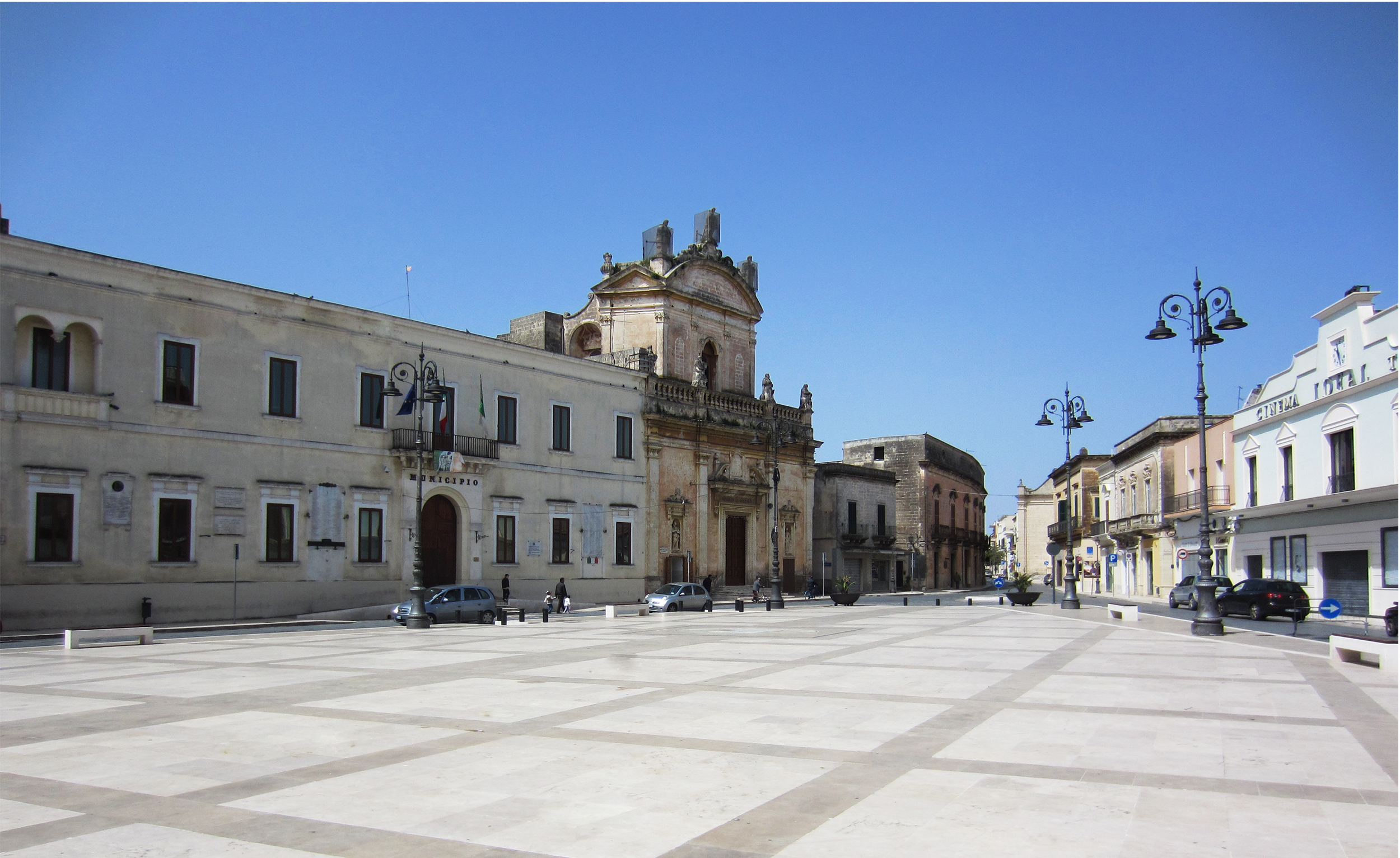
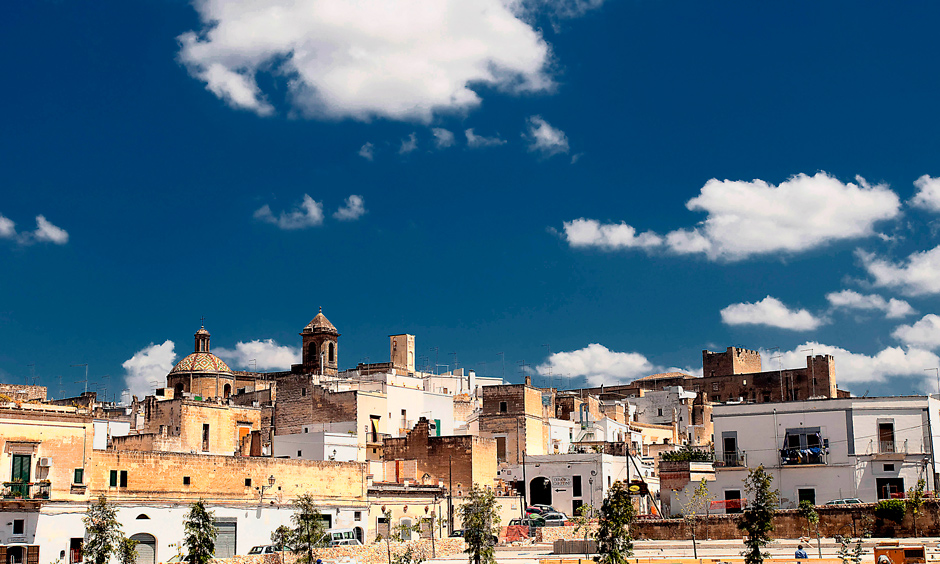
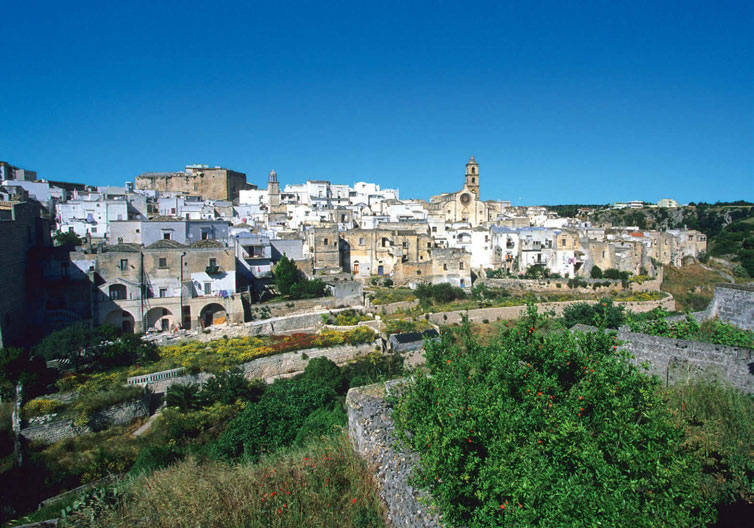
Manduria, a city of Messapic origin, after the splendors of the Hellenistic period of which numerous finds have been unearthed in the various archaeological excavation campaigns since the 1960s, was conquered by the Romans in 266 BC. Later the city was abandoned by its inhabitants but resurrected to new life by Ruggiero the Norman, and in the 18th century it resumed its ancient and glorious name of Manduria. Several scholars have been interested in the etymology of the name of Manduria, a city of Messapic origin, in whose territory there is no lack of evidence of earlier settlements referable to the Neolithic period. The scholar Giuseppe Pacelli, in his dissertation "Dell'antica Città di Manduria" , reports several etymologies, all of which can be traced back to the meaning of "farm, " "place of horse breeding." According to F. Ribezzo, Mandurium or Mandorium would have taken its name precisely from one, or a set, of such farms. Nor does the Mandurian scholar G. Stano depart from this etymology, who sees the origin of the name in the Greek-Italic word "mandra," meaning respectively stable, flock or herd of horses. Of the ancient city there subsist the remarkable remnants of fortification works. Recent excavations have released new features, also clarifying the problem of their chronology.
Manduria - Manduria | Secret World Trip Planner

Three circles of walls, belonging to three different phases, can be easily distinguished. The innermost (about 2 km long) is formed by large irregular blocks placed per head, and preceded by a moat. Later, a second wall, consisting of much more regular blocks placed alternately per head and per cut, came to reinforce the first, part of which occupies the moat. It is likely that this second circle refers to the war against Tarentum and Archidamus. Finally, the last circle, the most impressive (5 m thick, 6 or 7 m high) is more than 3 km long. It too is preceded by a moat. This last phase of the fortifications seems to be attributable to the period of the Hannibalic War. In fact, the wall is set over a number of tombs, the grave goods of which (including, among other things, pottery from Gnathia baccellata) can be dated to the advanced 3rd century.

Outside the wall, on either side of the roads leading out of the gates (5 in the eastern area alone), numerous groups of rock-cut tombs have appeared. Unluckily, most of them had already been plundered; however, some grave goods could be recovered, consisting mostly of vessels datable between the 4th and 2nd centuries BCE. C.
Manduria - Manduria | Secret World Trip Planner

Also worth mentioning is the so-called "Plinian Spring," identifiable perhaps with the one mentioned by Pliny (Nat. hist., lI, 226), located in a vast cavern, certainly natural, but enlarged by the hand of man.

🗺 AI Trip Planner 2026

Plan your visit to Manduria

Suggested itinerary near Manduria

MAJ+
500.000+ travelers worldwide
  1. 🌅
    Morning
    Manduria
    📍 Manduria
  2. ☀️
    Afternoon
    Museum of Primitivo Wine Civilization
    📍 0.9 km · Manduria
  3. 🌆
    Evening
    Church of St. John the Baptist (Mother Church) in Avetrana
    📍 9.2 km · Manduria

Buy Unique Travel Experiences

Powered by Viator

See more on Viator.com

Explore nearby · Manduria

Frequently Asked Questions

Manduria is a city of Messapic origin, with its name believed to derive from the Greek-Italic word 'mandra,' meaning stable or a herd of horses, suggesting the area was historically used for horse breeding and farming. Several scholars, including Giuseppe Pacelli and G. Stano, have traced the etymology back to these agricultural meanings, reflecting the city's ancient economic activities.
Manduria was conquered by the Romans in 266 BC after flourishing during the Hellenistic period, after which it was abandoned for a time. The city was revived by the Norman ruler Ruggiero and eventually restored its ancient and glorious name in the 18th century, creating a unique blend of Messapic, Hellenistic, Roman, and Norman influences.
Manduria features remarkable remnants of three distinct circles of walls from different historical periods, with the innermost wall being about 2 km long and made of irregular blocks preceded by a moat. The most impressive final circle spans over 3 km in length, stands 6-7 meters high and 5 meters thick, and is attributed to the Hannibalic War period, offering a fascinating glimpse into ancient defensive architecture.
Numerous archaeological excavation campaigns since the 1960s have unearthed significant finds from the Hellenistic period, and evidence of even earlier Neolithic settlements has been discovered in the area. Recent excavations have revealed new features and clarified the chronology of the fortification works, making Manduria an important site for understanding ancient Mediterranean history.
The innermost wall (about 2 km long) is built from large irregular blocks preceded by a moat, while the second reinforcing wall uses more regular blocks placed alternately and likely dates to conflicts with Tarentum and Archidamus. The outermost and most impressive circle, over 3 km long and attributed to the Hannibalic War period, is the thickest and tallest, also preceded by a moat, representing the city's evolving defensive strategies.