


In the picturesque Sylhet region, the cultural tapestry is richly woven with the presence of aboriginal tribes such as the Tipperas, Monipuris, Khasis, and Garos, who continue to live in their traditional ways amidst the hills. These tribes, steadfast in their adherence to age-old rites, rituals, customs, and traditions, contribute significantly to the cultural richness of the area. A particularly fascinating aspect of this cultural heritage is the Manipuri Dance, a dance form that is a vital part of the Monipuri community's cultural identity.
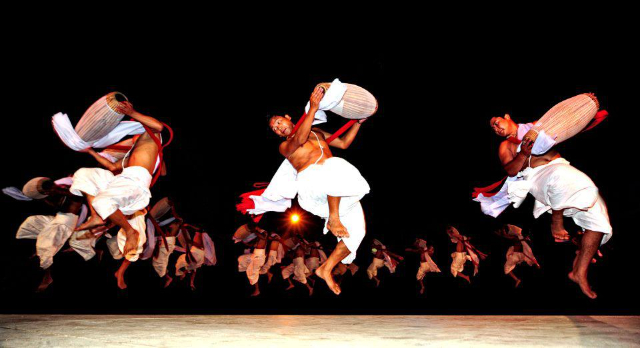
During festivals like Rash Leela, celebrated on the full-moon night in February, and Doljatra, the air in Sylhet becomes charged with festivity and color. These occasions see young girls from these tribes, attired in vibrant robes, engaging in dance with the male members of their choice and love. The dances are not mere performances; they are expressions of joy, love, and communal bonding, deeply rooted in the tribes' cultural ethos.
The Manipuri Dance, performed by the Monipuris, is particularly renowned. This dance form is based on allegorical love themes drawn from ancient mythology, often depicting scenes from the eternal love stories of Hindu deities. The dance is characterized by its grace and delicacy, marked by fluid movements and expressive gestures that tell stories of love and devotion. The dancers, with their eloquent body language and expressive eyes, bring to life the tales of mythological lore, creating a mesmerizing spectacle for the audience.
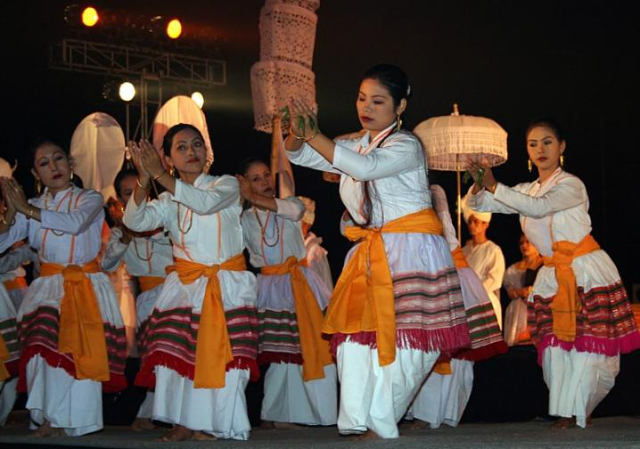
These dances are more than just artistic expressions; they are living traditions that preserve the history, myths, and cultural identity of the tribes. They offer a glimpse into the rich cultural heritage of the Sylhet region and are a testament to the enduring legacy of these aboriginal communities. For visitors to Sylhet, witnessing the Manipuri Dance is not just an entertainment but an enriching cultural experience, offering a window into the heart of the region's tribal heritage and their profound connection with their past.


