
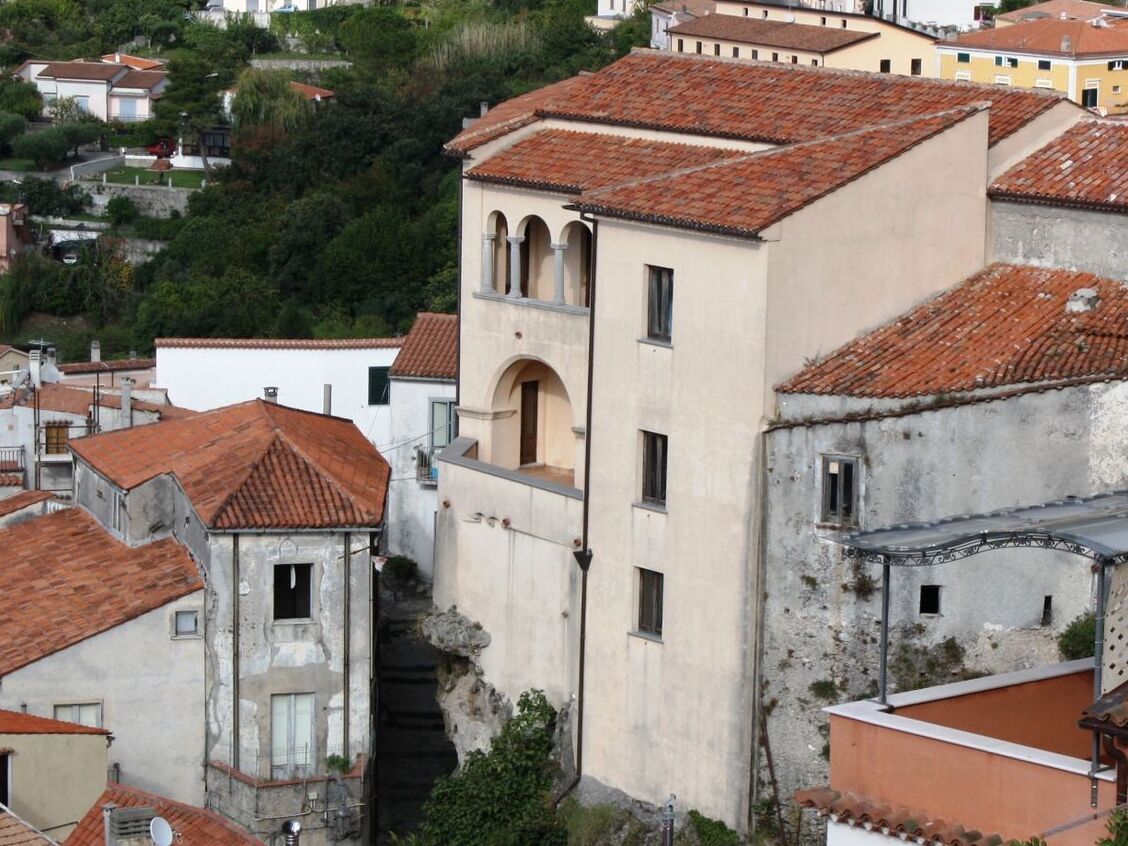

Nestled in the picturesque hills of Maratea, the De Lieto Palace stands as a testament to both the region’s rich history and architectural elegance. Built in 1734 under the auspices of Giovanni De Lieto, this eighteenth-century noble building was originally conceived to house the first hospital of Maratea. Its strategic position on a large rocky spur not only offers stunning views of the surrounding landscape but also symbolizes the blending of utility and beauty that characterized noble architecture of the period.
The history of the De Lieto Palace is intertwined with the broader narrative of Maratea itself. In the 19th century, the hospital was declared a district institution, marking a significant evolution in the area’s healthcare provisions. However, as the 20th century progressed, the hospital moved to the former convent of the Paolotti, leaving the De Lieto Palace abandoned by the 1990s. Fortunately, this architectural gem has been lovingly restored and is now under the stewardship of the Ministry of Cultural Heritage. Today, it serves as a vibrant cultural hub that showcases the artistic and historical richness of the region.
Architecturally, the De Lieto Palace is a fine example of Baroque style, characterized by its grandiose form and intricate details. The building features two floors, with long loggias on the upper level that are interspersed with gracefully worked arches and sturdy piers. The original lithic portal is particularly striking, with a large wooden door framed by stone and tuff architraves. The piers and arches, constructed from square stones, draw the eye upward, culminating in a beautifully crafted keystone that bears the De Lieto family crest. Above the tympanum, an inscription proudly declares the palace's original purpose: “Hospital built, at his own expense, by Giovanni De Lieto, in the year 1734,” a poignant reminder of the philanthropic spirit that drove its creation.
Inside, visitors can explore a permanent collection of artifacts recovered from the depths of the nearby islet of Santo Janni. These finds provide a tangible connection to the maritime history of the region, highlighting the importance of trade and seafaring in Maratea's development. On the first floor, the Pinacoteca Angelo Brando offers a glimpse into the artistic legacy of the area, featuring works by Brando himself, a prominent painter born in Maratea in 1878 who later moved to Naples.
Beyond its historical and architectural significance, Maratea is a vibrant tapestry of local culture and traditions. The town is known for its annual Feast of the Virgin of Sorrows, a celebration that attracts both locals and visitors alike. This festival, held in September, features a colorful procession through the streets, where the statue of the Virgin is paraded, accompanied by music, dancing, and communal feasting. Such events reflect the strong sense of community and the deep-rooted customs that define Maratea's identity.
When it comes to gastronomy, Maratea offers a culinary experience that is as rich as its history. The local cuisine is heavily influenced by the Mediterranean diet, emphasizing fresh ingredients and traditional recipes. Dishes such as spaghetti alle vongole (spaghetti with clams) and salsiccia di cinghiale (wild boar sausage) are beloved by both residents and visitors. Additionally, the area is known for its production of extra virgin olive oil, which enhances many local dishes, and the sweet treat pizzelle, a traditional waffle cookie often enjoyed during festive occasions.
For those seeking lesser-known curiosities, the De Lieto Palace has its own set of intriguing tales. In addition to its role as a hospital, the palace was rumored to have been a meeting place for local nobles and intellectuals, fostering discussions that shaped the cultural landscape of Maratea. Furthermore, the palace's restoration revealed hidden frescoes that were once obscured, offering insights into the artistic practices of the time and adding another layer to its storied past.
The best time to visit Maratea is during the spring and early autumn months when the weather is mild and the landscapes are in full bloom. Visitors should take the opportunity to explore not only the De Lieto Palace but also the stunning coastline known as the "Pearl of Tyrrhenian Sea," famed for its dramatic cliffs and crystal-clear waters.
To make the most of your experience, consider planning your visit with specific interests in mind, whether they be historical exploration, culinary adventures, or cultural festivities.
As you wander through the ancient streets of Maratea and take in the beauty of the De Lieto Palace, remember that every corner has a story waiting to be discovered. For a tailored experience that will help you uncover the secrets of this remarkable place, consider using the Secret World app to plan your personalized itinerary.


