

Nestled in the rugged landscape of southern Italy, Romito Cave offers a glimpse into a world that existed over 12,000 years ago. Discovered in 1961, this remarkable site is not only a geological wonder but also a treasure trove of prehistoric art and burial practices that have shaped our understanding of ancient human cultures.
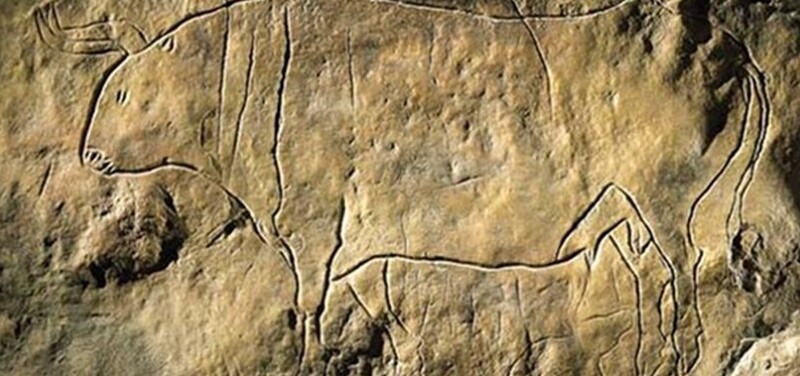
The Romito Cave is formed by a natural shelter, dominated by an imposing engraved rock featuring the striking figure of an aurochs (*Bos primigenius*), a wild ancestor of modern cattle. This engraving, dating back to 14,000-12,000 years ago, stands as a testament to the artistic capabilities and spiritual beliefs of the people who inhabited this area during the late Paleolithic period. The cave itself, along with the surrounding shelter, has been crucial in piecing together the lives and customs of prehistoric communities in southern Italy.
The significance of Romito Cave extends far beyond its stunning engravings. It is renowned for its funerary practices, with a series of burial sites that provide insight into the rituals and ideologies of its ancient inhabitants. Unlike many other European caves, the consistency and abundance of Paleolithic funerary documentation found here are exceptional. Archaeologists have unearthed skeletal remains alongside grave goods, which highlight the complexity of the social structures and beliefs surrounding death during this era.
Artistically, the Romito Cave is celebrated for its remarkable engravings, particularly the powerful depiction of the auroch. This masterpiece, analyzed extensively by archaeologist Paolo Graziosi, is regarded as one of the most significant examples of Paleolithic art. The cave’s artistic expressions showcase not only the skill of its creators but also their deep connection to the natural world and the animals that roamed it. The figures carved into the rock exhibit a level of sophistication that speaks to the cultural and spiritual depth of the people who lived in this region.
Surrounding the cave is an Antiquarium, which serves as a reception point for visitors and offers guided tours that delve into the history and significance of the site. Here, visitors can marvel at artifacts uncovered during excavations, gaining a deeper understanding of the lives of those who came before us. The opportunity to walk through a space where ancient rituals took place adds a profound, almost mystical layer to the experience.
Local culture in the area surrounding Bivio Avena O Vuccale is rich and vibrant, steeped in traditions that have evolved over centuries. The villagers take pride in their heritage, celebrating local festivals that often incorporate elements of ancient practices. One such event is the Feast of St. Nicholas, held in December, where residents come together to share food, music, and dance, reflecting the community’s strong ties to its historical roots.
When it comes to gastronomy, the region boasts an array of delicious local specialties. Visitors can indulge in traditional dishes such as pasta alla chitarra, a homemade pasta that's often served with hearty meat sauces, and porchetta, a succulent roasted pork that is a staple at local festivals. Pairing these dishes with a glass of Aglianico, a robust red wine native to the area, offers a true taste of Calabria and its culinary heritage.
For those keen on exploring the Romito Cave, the best time to visit is during the spring and early autumn months when the weather is mild, and the surrounding landscapes are in full bloom. It is advisable to wear sturdy footwear, as the terrain can be uneven. The guided tours are particularly informative, as they provide not just historical context but also engage with the local environment and its significance to ancient populations.
One lesser-known curiosity about the Romito Cave is the story of its discovery. The cave was stumbled upon by a group of local hunters, who noticed unusual markings on the rocks. Their chance encounter led to extensive archaeological research that has continued to unveil secrets about our prehistoric ancestors. Additionally, the cave is often overlooked by tourists heading to more popular destinations, making it a serene spot for those seeking solitude and reflection.
In conclusion, Romito Cave is not merely a geological feature; it is a profound connection to our distant past, a place where art, burial customs, and nature converge. Exploring this site offers a unique opportunity to understand the lives of our ancestors and the landscapes they inhabited.
To fully appreciate the rich history and culture of Bivio Avena O Vuccale, consider using the Secret World app to tailor your visit to this enchanting region.


