
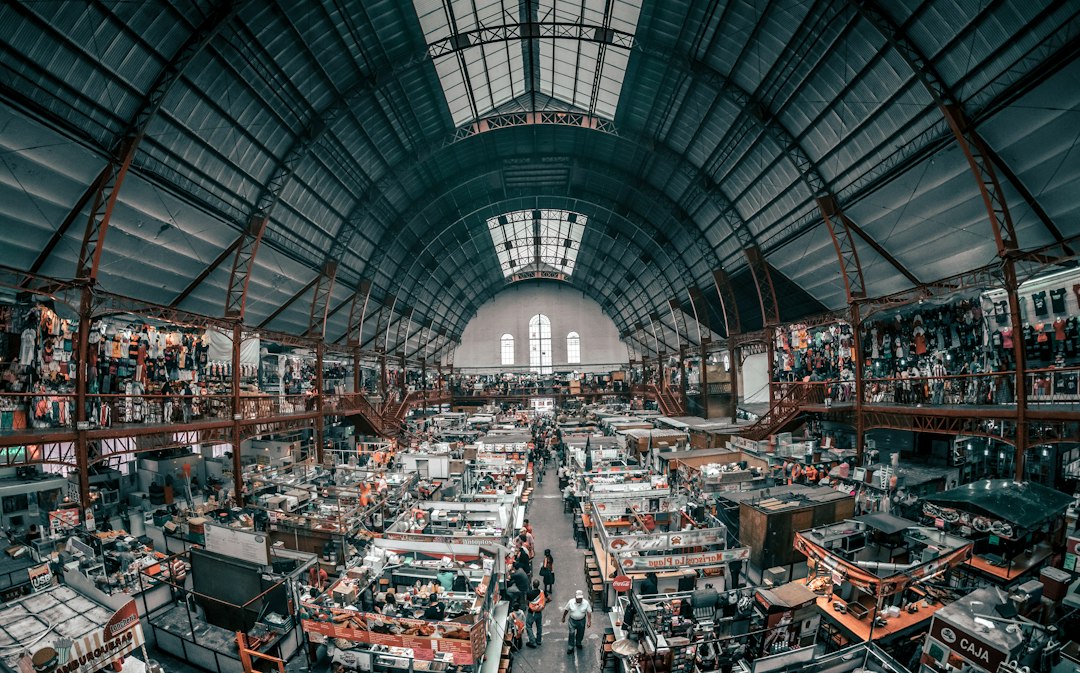

The smell of fresh coriander and freshly baked bread reaches you even before you cross the wrought iron entrance of the Marché des Enfants Rouges. We are in the heart of the Marais, on rue de Bretagne, and what unfolds before your eyes is a maze of colorful stalls, overlapping voices in five different languages, trays of steaming tajine next to meticulously prepared Japanese bento boxes.
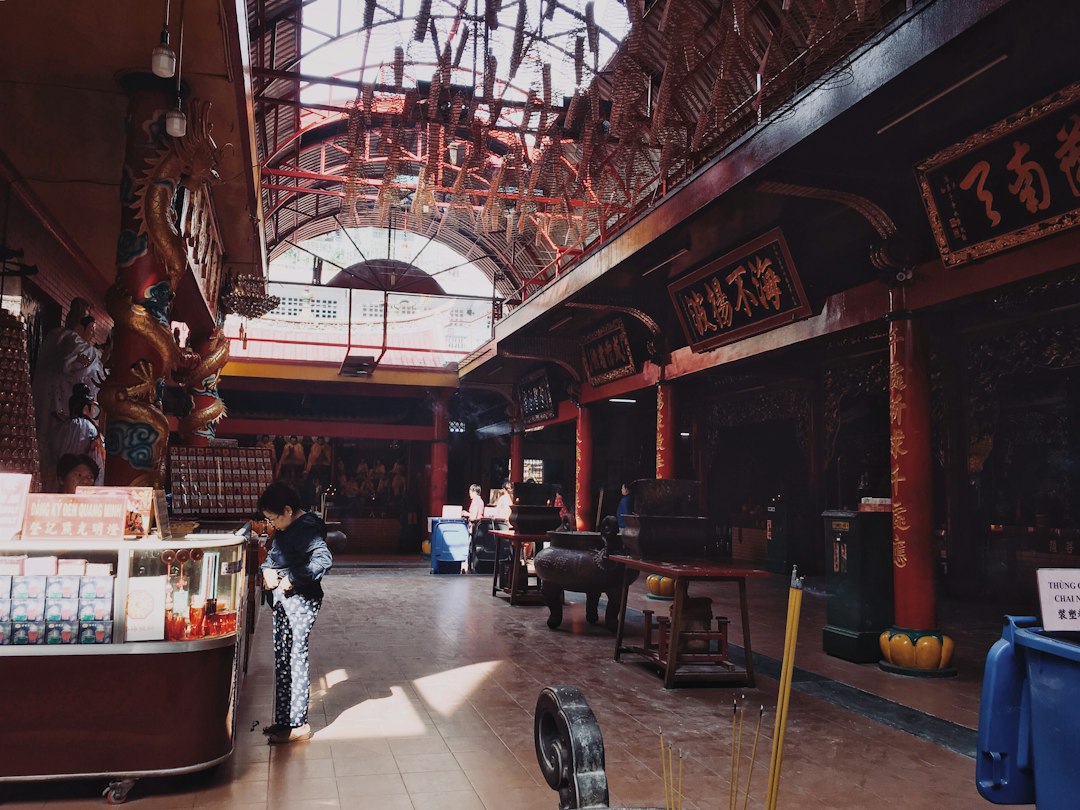
This covered market is the oldest in Paris still in operation: it was founded in 1615, under the reign of Louis XIII, and owes its curious name to the orphanage that stood nearby, whose children wore red uniforms — the enfants rouges, indeed. After centuries of activity, a closure in 1994, and a reopening in 2000 following a long restoration, the market has regained life in its nineteenth-century iron and glass structure, which filters daylight creating an atmosphere almost like a botanical greenhouse.
An architecture that tells centuries of history
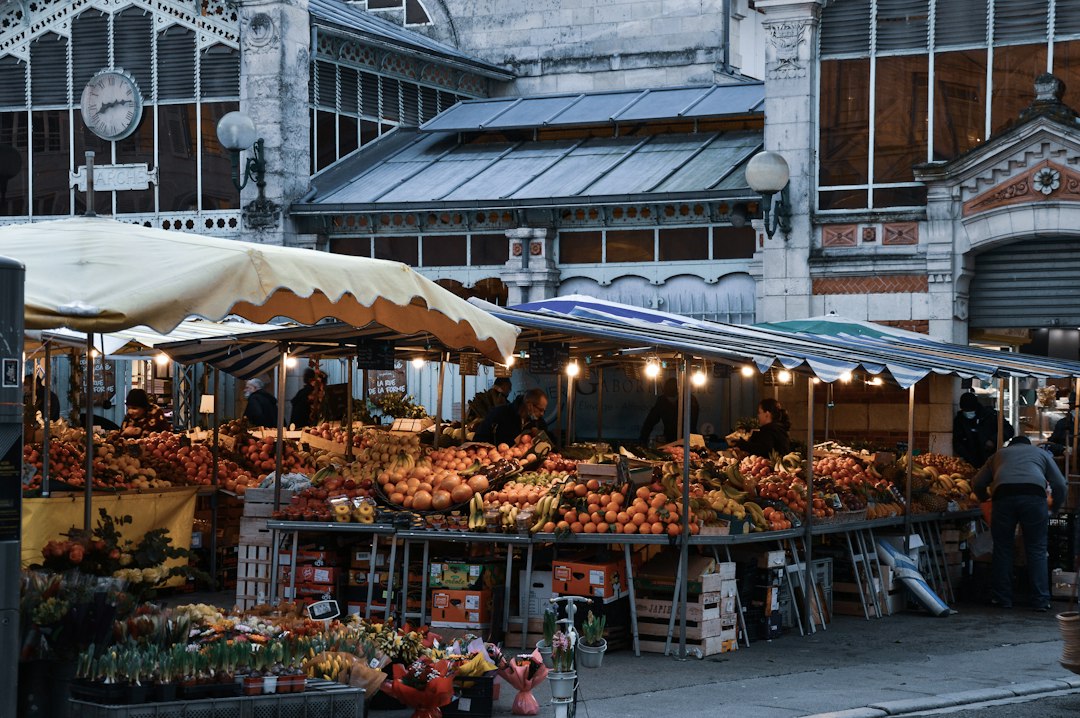
Entering through the main portal on rue de Bretagne, the first thing that strikes you is the load-bearing structure made of dark green painted cast iron, typical of 19th-century Parisian commercial architecture. The beams cross at the top forming a light vault that allows natural light to pass through, spreading it evenly over the stalls below. The stone floor, worn by generations of footsteps, tells on its own how much human traffic has crossed this space.
The size of the market is modest — it is a rectangle of about 800 square meters — but the density of offerings is such that each visit is a different discovery. Along the narrow corridors, stalls of local organic vegetables alternate with florists displaying bunches of peonies and tulips arranged with almost obsessive care, and small restaurateurs cooking directly in front of you on gas stoves.
The flavors of the world in a few square meters
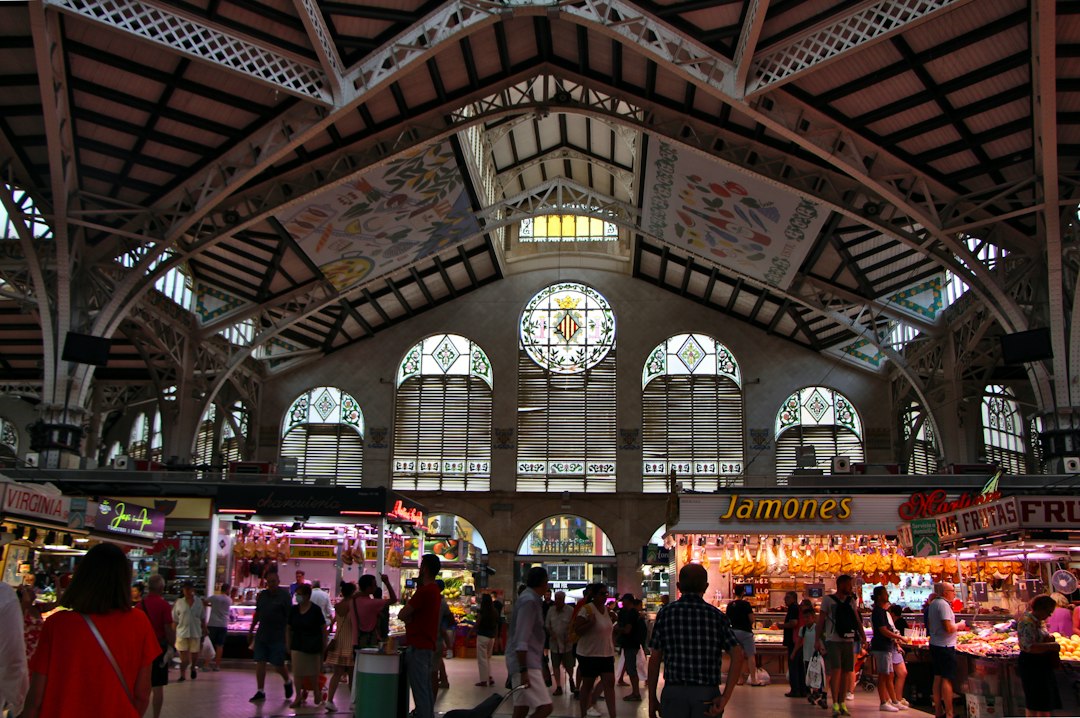
The true soul of the Marché des Enfants Rouges is its international cuisine. The Moroccan stall, one of the busiest, offers lamb tagine with prunes and almonds, couscous with seasonal vegetables, and chicken bastilla. Next to it, a small Japanese kiosk serves bento prepared early in the morning with rice, marinated salmon, and sautéed vegetables. There is also a Caribbean stand with accras de morue — salted cod fritters — and rum punch served in plastic cups.
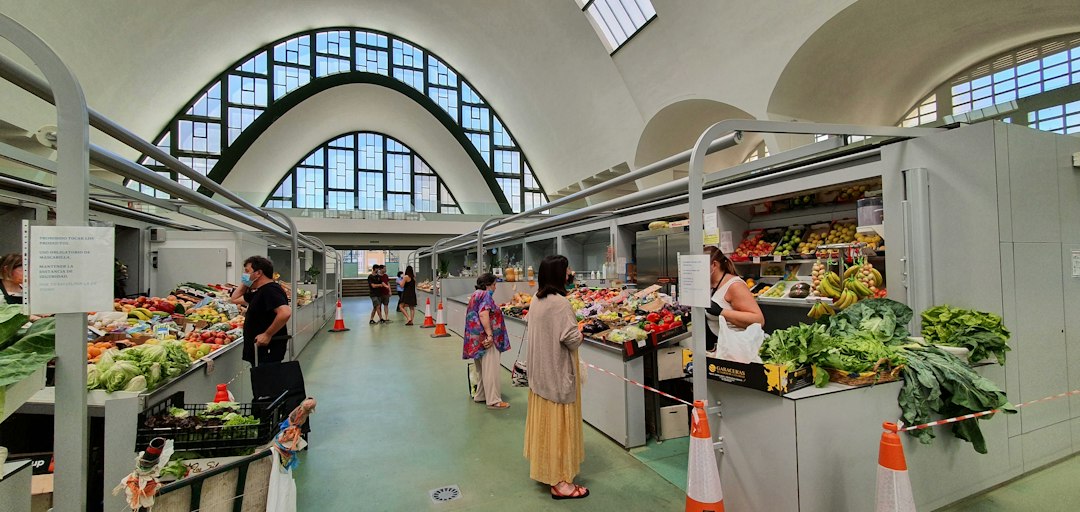
Colors overlap in an almost chaotic way: the red of peppers next to the orange of carrots, the bright green of fresh parsley against the white of Japanese daikon roots. The fruit and vegetable vendors, many of whom have worked here for decades, know their regular customers by name and already know what to set aside for them every Tuesday morning.
The people who bring the market to life
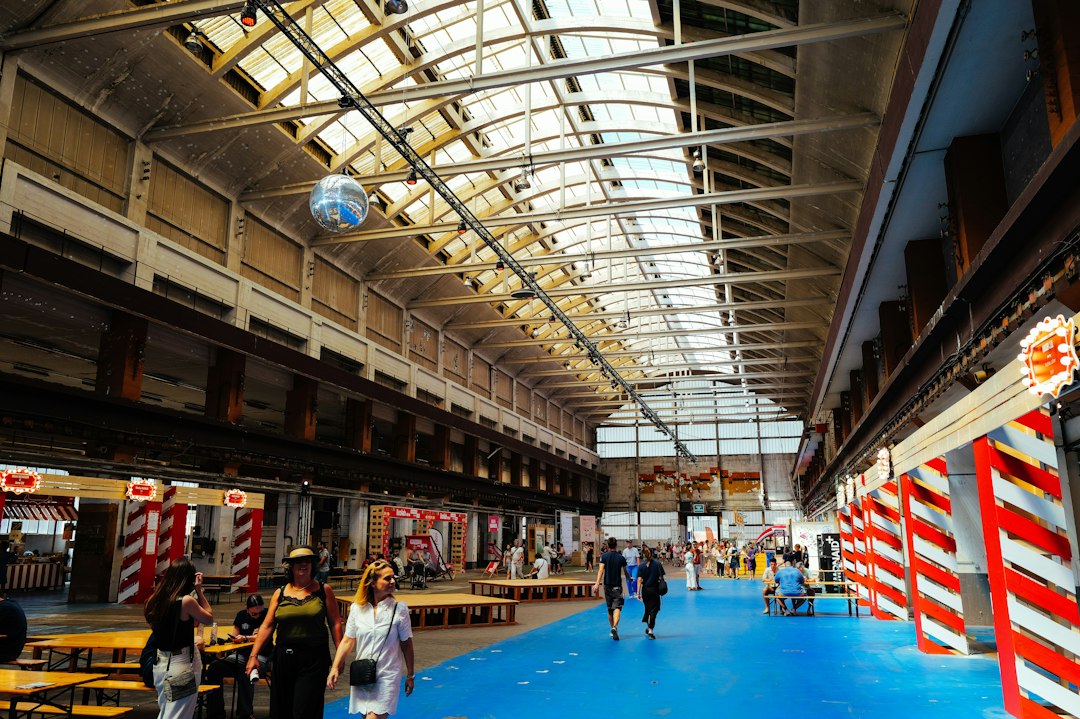
The market is frequented by a social mix that reflects contemporary Marais: elderly residents with their canvas shopping bags, young professionals looking for a quick yet authentic lunch, tourists with cameras trying not to be too intrusive. The liveliest moments are during lunch, when the tables inside — few, close together, always occupied — fill up with people eating elbow to elbow with strangers, exchanging a few words in French or English.
One of the most fascinating sights is watching the cooks at work: their movements are quick, precise, honed by years of practice in the confined space of a stall. There is no room for improvisation, yet each dish arrives at the customer with a care that resembles more a restaurant than a street stand.
Practical tips for visiting the market
The Marché des Enfants Rouges is open from Tuesday to Saturday from 8:30 AM to 1:00 PM and from 4:00 PM to 7:30 PM, and on Sunday from 8:30 AM to 2:00 PM; it is closed on Monday. The best time to visit is early in the morning on weekdays, when the stalls are just set up and the crowd is still manageable. Avoid Saturday at noon: tables are hard to find and lines at the most popular stalls can exceed twenty minutes.
To get there, the nearest metro stop is Filles du Calvaire (line 8), less than a five-minute walk. Entrance is free: you only pay for what you consume. A full meal at one of the international food stalls costs on average between 12 and 18 euros. Bring cash with you, as not all vendors accept payment cards.


