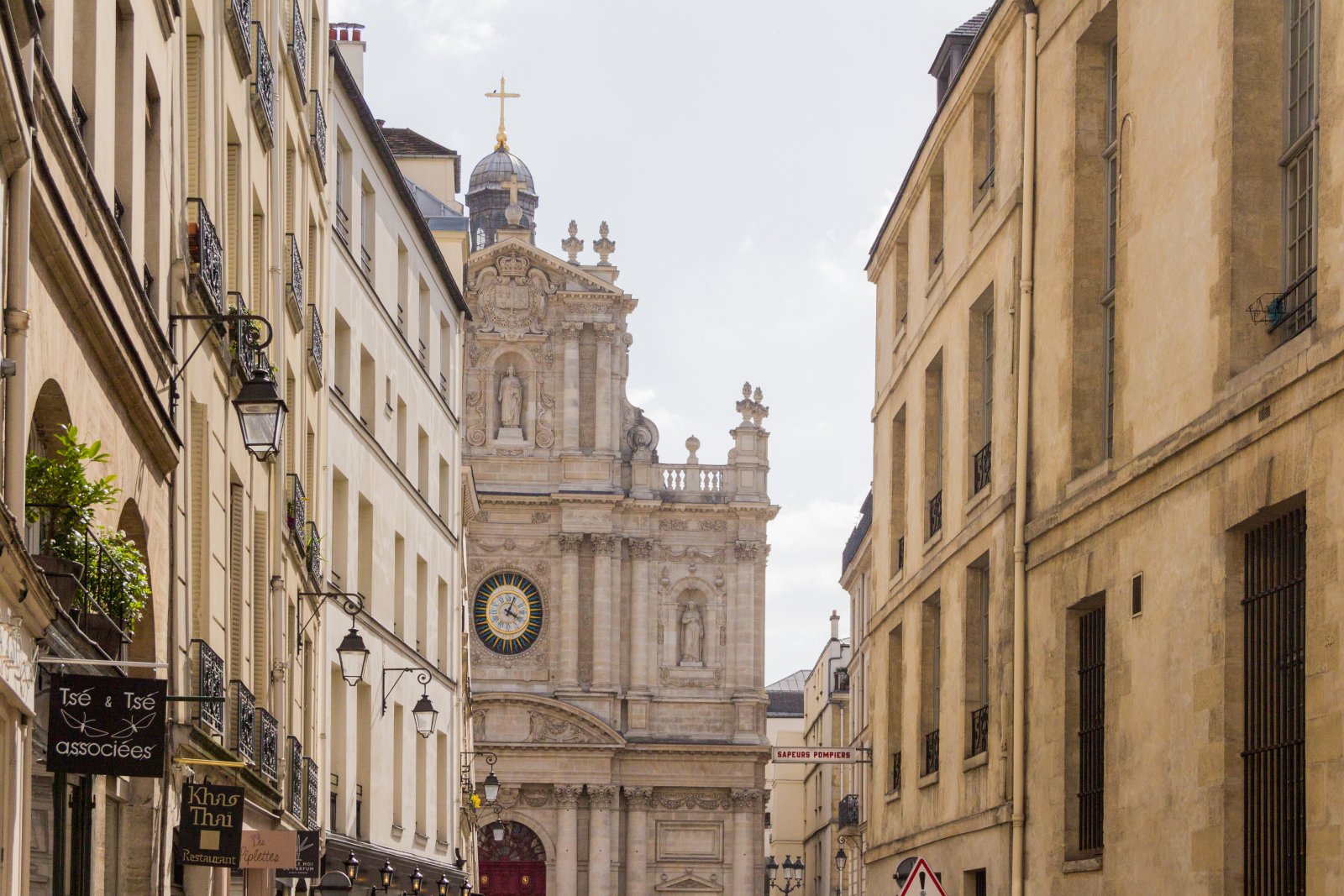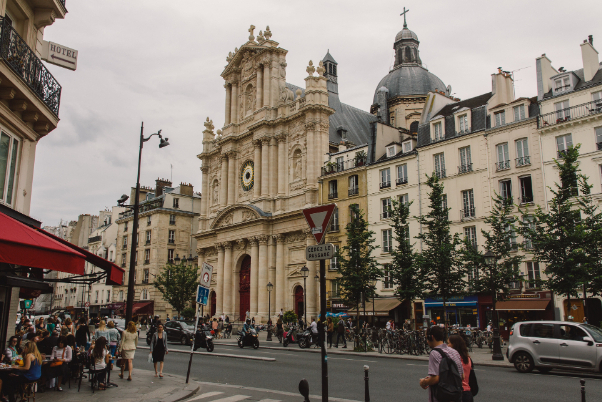

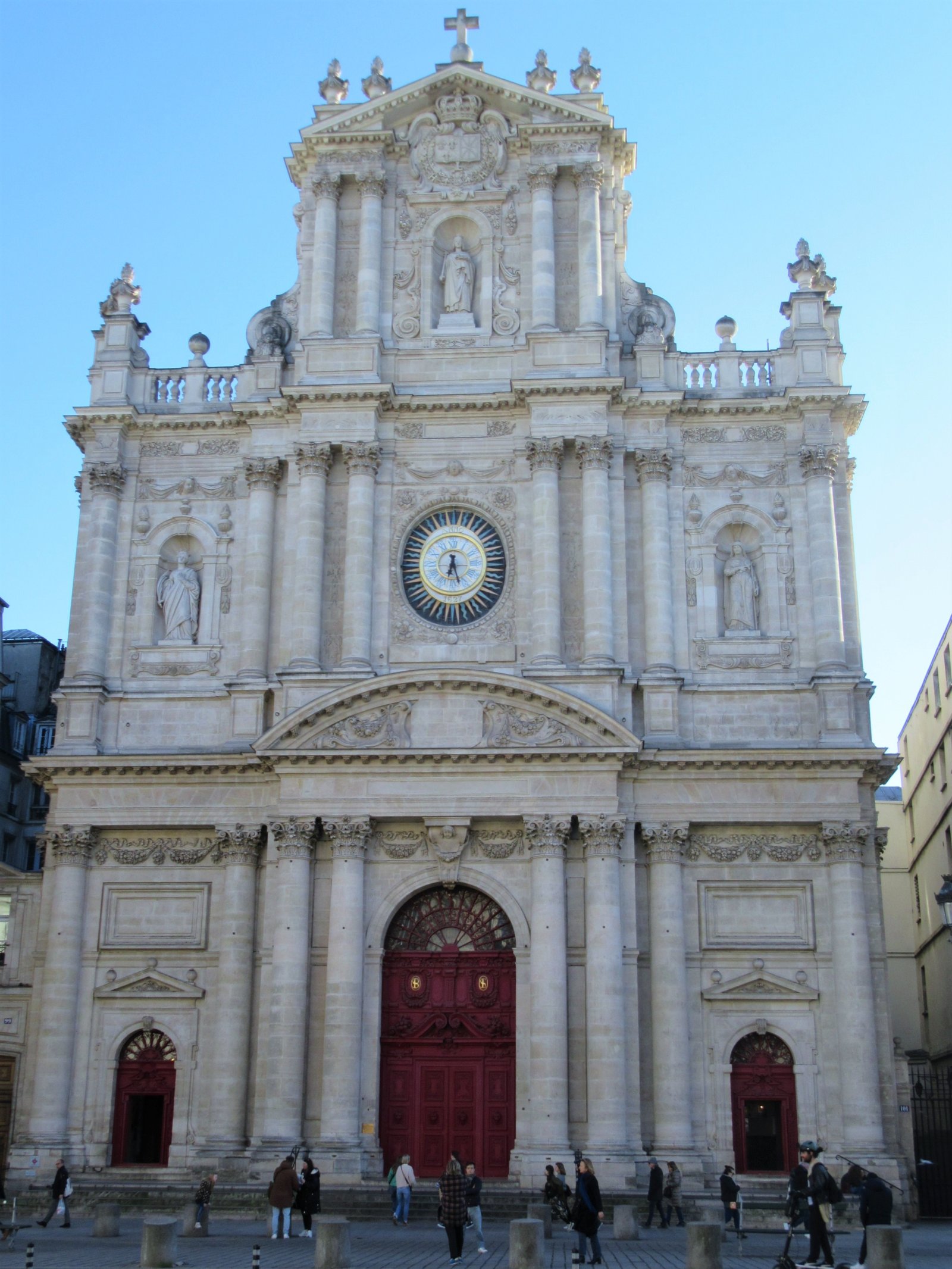
Nestled in the heart of Paris, the Saint-Paul Saint-Louis church stands as a magnificent testament to the city's rich religious and architectural heritage. Built between 1627 and 1641, this Jesuit church is an embodiment of the Baroque style, echoing the grandeur of its Roman counterpart, the Gesù Church. Its striking dome, soaring to 60 meters (197 feet), was one of the tallest in its time, captivating visitors and residents alike with its sheer scale and beauty.
### History and Origins
The story of Saint-Paul Saint-Louis begins with the Jesuits, who were instrumental in the Counter-Reformation, establishing their presence in Paris during the early 17th century. The church was originally dedicated solely to Saint Louis, the patron saint of France, but it took on the additional name of Saint-Paul after the destruction of the neighboring Saint-Paul church in 1795, during the tumultuous period of the French Revolution.
In its early years, the church played a vital role not only as a place of worship but also as a center for education and community engagement, reflecting the Jesuit commitment to learning and social justice. Throughout its history, Saint-Paul Saint-Louis has witnessed numerous key events, including the rise and fall of kings, revolutions, and the ever-changing landscape of Parisian culture.
### Art and Architecture
The architectural design of Saint-Paul Saint-Louis is a striking example of the Baroque style, characterized by dramatic use of light and shadow, intricate details, and grandiose forms. The facade is adorned with statues and sculptures that narrate biblical tales, drawing the eye upwards to the grand dome. Inside, the church is equally breathtaking, with a richly decorated interior featuring beautiful altars, frescoes, and an ornate wooden pulpit.
Among the notable artworks is the Altar of Saint Louis, which showcases exquisite craftsmanship and serves as a focal point for worshippers. The stained glass windows, crafted in the 19th century, filter light into a kaleidoscope of colors, enhancing the spiritual atmosphere of the space. Visitors are often entranced by the harmonious blend of art and architecture, making it a significant site for both religious and artistic appreciation.
### Local Culture and Traditions
The neighborhood around Saint-Paul Saint-Louis is vibrant, steeped in history and cultural traditions. The church is often a focal point for local customs, including various religious celebrations and processions. Notably, the Feast of Saint Louis, celebrated on August 25th, attracts both locals and tourists, offering a glimpse into the community's deep-rooted traditions.
The nearby Le Marais district, which boasts a rich Jewish heritage, often sees cultural events that intertwine with the church’s religious practices. The annual Fête de la Musique, held in June, fills the air with melodies from local musicians, creating a festive atmosphere that draws people to the church’s vicinity.
### Gastronomy
No visit to Saint-Paul Saint-Louis would be complete without indulging in the culinary delights of the surrounding area. The Le Marais district is renowned for its eclectic gastronomic offerings. From traditional French bistros to modern eateries, visitors can savor dishes such as coq au vin, duck confit, and the iconic crepes.
For a sweet treat, try the famous falafel from one of the many vendors on Rue des Rosiers, serving up crispy, flavorful bites that reflect the Jewish influence in the area. Pair your meal with a glass of Côtes du Rhône or a refreshing Kir Royale, a local favorite aperitif made with crème de cassis and champagne.
### Lesser-Known Curiosities
While many tourists flock to the more famous landmarks of Paris, Saint-Paul Saint-Louis offers hidden gems that are often overlooked. One such curiosity is the church’s unique organ, which dates back to the 18th century and is still in use today. The intricate carvings and golden details of the organ are a testament to the craftsmanship of the era.
Additionally, the church has served as a backdrop for many notable events, including the funeral of Georges Pompidou, the former President of France. The intertwining of history and personal stories adds layers to the church’s significance, making it a profound site for reflection.
### Practical Visitor Information
For those wishing to visit Saint-Paul Saint-Louis, the best time to go is during the weekdays when the crowds are thinner, allowing for a more intimate experience. The church is open to visitors, and guided tours are available that delve into its storied past and architectural marvels.
Be sure to take time to explore the surrounding Le Marais district, known for its charming streets lined with boutiques, galleries, and cafés. Don't miss the opportunity to relax in the nearby Place des Vosges, one of the oldest planned squares in Paris, where you can soak in the ambiance of this historic area.
As you plan your visit, consider using the Secret World app to create a personalized itinerary that will help you uncover the hidden treasures of Paris.