
← Back

Mausoleum of Emperor Qing Shi Huang

Qinling N Rd, Lintong Qu, Xian Shi, Shaanxi Sheng, Cina ★★★★☆ 653 views
Agueda Vasquez
Xian Shi
🏆 AI Trip Planner 2026

Get the free app

Discover the best of Xian Shi with Secret World — the AI trip planner with 1M+ destinations. Get personalized itineraries, hidden gems and local tips. Free on iOS & Android.

🧠 AI Itineraries 🎒 Trip Toolkit 🎮 KnowWhere Game 🎧 Audio Guides 📹 Videos
Download on the App Store Get it on Google Play
Scan to download Scan to download

About Mausoleum of Emperor Qing Shi Huang

Mausoleum of Emperor Qing Shi Huang  - Xian Shi | Secret World Trip Planner

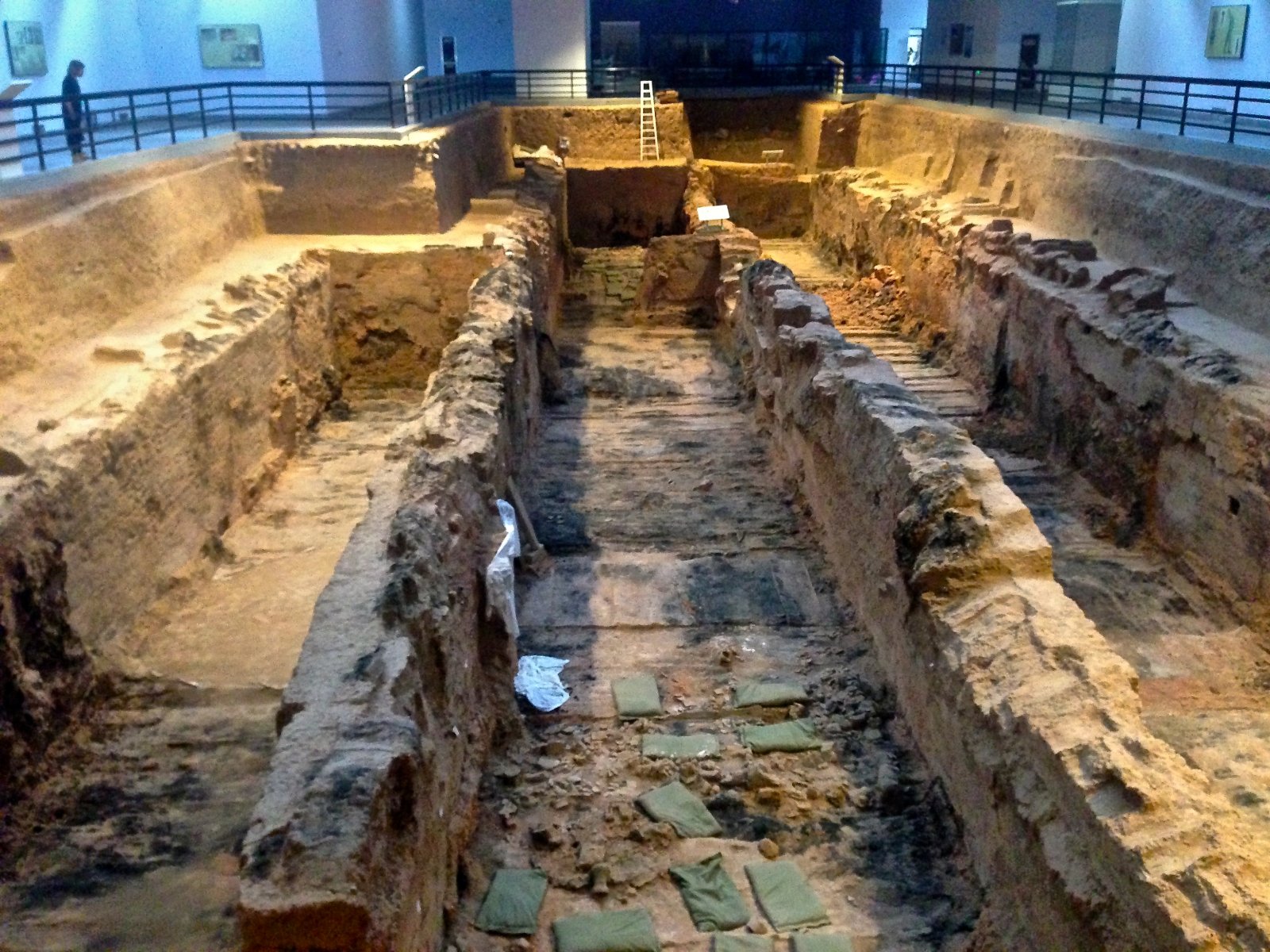
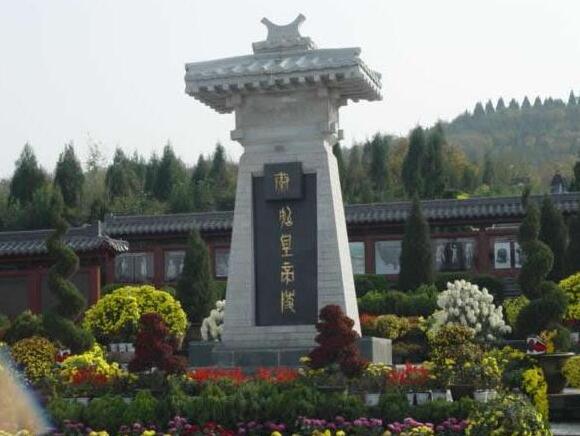
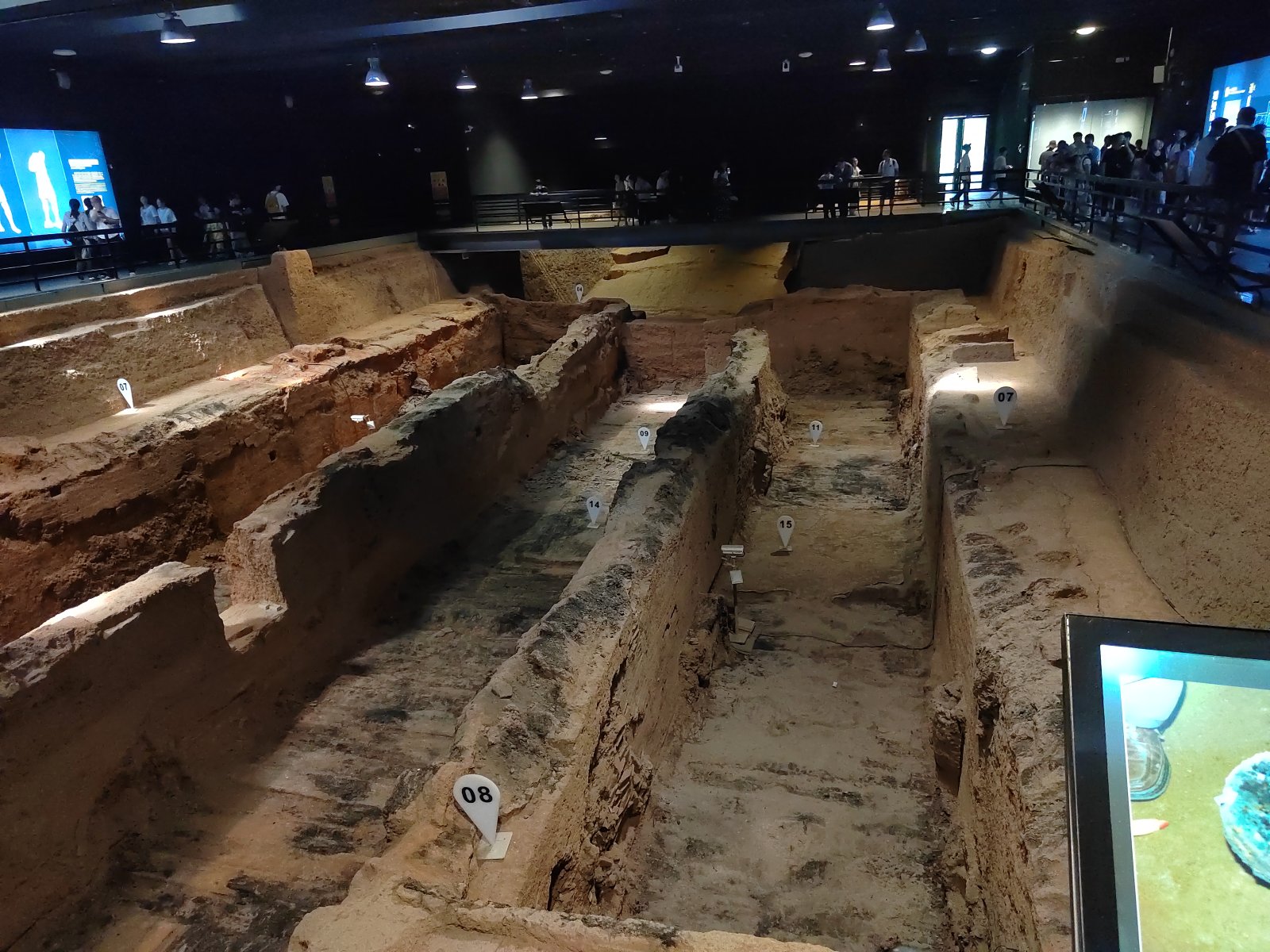
Nestled at the foot of Mount Li, the Mausoleum of Emperor Qin Shi Huang stands as a monumental testament to ancient China's unparalleled ambition and artistry. Located just 2 kilometers west of the famed Terracotta Army, this mausoleum is not merely a burial site—it is the largest preserved underground tomb in the world, a marvel of ancient engineering and a profound reflection of the empire that once thrived under Qin Shi Huang.

Mausoleum of Emperor Qing Shi Huang  - Xian Shi | Secret World Trip Planner

### History and Origins

The Mausoleum was commissioned by Qin Shi Huang, the first Emperor of China, who ascended to the throne in 246 BC. His reign marked the unification of the warring states, a feat achieved through both military prowess and innovative governance. The construction of the mausoleum began in 246 BC and continued until 208 BC, lasting an incredible 38 years—eight years longer than the construction of the Great Pyramid of Giza.

Mausoleum of Emperor Qing Shi Huang  - Xian Shi | Secret World Trip Planner

According to the historical text, the Records of the Grand Historian by Sima Qian, over 720,000 laborers toiled on this grand project, enduring harsh conditions to create a resting place worthy of an emperor. The mausoleum is said to be modeled after the capital of the Qin dynasty, Xianyang, mirroring the layout of the city in both its interior and exterior design. Covering an astonishing 220 square kilometers, the site originally featured large-scale palace pavilions, making it a city of the dead dedicated to the emperor’s journey into the afterlife.

### Art and Architecture

The architectural style of the mausoleum reflects the grandeur and power of the Qin dynasty. The main mound, rising 55.05 meters high and with a girth of 2,000 meters, is not just a burial ground but a carefully crafted structure that symbolizes the emperor’s might. The design incorporates elements of ancient Chinese cosmology, aligning with the principles of feng shui to ensure harmony with the natural surroundings.

While much of the mausoleum remains unearthed, its design is believed to include intricate chambers and pathways, reflecting the artistry of the time. The Terracotta Army, discovered in 1974, serves as a remarkable companion piece to the mausoleum itself, showcasing over 8,000 life-sized soldiers, each uniquely crafted to accompany the emperor into the afterlife.

### Local Culture and Traditions

The area surrounding the mausoleum is rich in culture and history. Xi’an, the capital of Shaanxi Province, was a significant cultural center during the Tang dynasty and is renowned for its role in the Silk Road. Local customs often celebrate the rich heritage of the region through various festivals, such as the Xi'an Silk Road International Arts Festival, which highlights the artistic traditions and diversity of the cultures that passed through this historic route.

In the local culture, the mausoleum is a symbol of remembrance and reverence. Traditional practices involve honoring ancestors and understanding the importance of lineage, which resonates deeply with the values that Qin Shi Huang sought to instill in his empire.

### Gastronomy

No visit to Xi’an is complete without indulging in its culinary delights. The region is famous for its biangbiang noodles, a hand-pulled noodle dish that embodies the hearty flavors of Shaanxi cuisine. Another local specialty is yangrou paomo, a mutton soup served with crumbled flatbread, perfect for warming up after a day of exploration.

Street food is also a vibrant part of the city's culinary scene, where visitors can sample pita bread soaked in lamb soup or spicy cold noodles. Pairing these dishes with jiu, a local rice wine, offers an authentic taste of the region’s gastronomic heritage.

### Lesser-known Curiosities

Though the mausoleum is a popular tourist destination, many visitors overlook some of its intriguing details. For instance, it is said that the interior of the mausoleum is designed to replicate the emperor’s palace, complete with rivers of mercury to represent the Yangtze and Yellow Rivers. The high levels of mercury found in soil samples suggest that ancient engineers may have indeed used this material to mimic water features, showcasing their advanced understanding of chemistry.

Moreover, the mausoleum's construction reflects the emperor's belief in immortality, aiming to create a life in death that was as grand as his life in power. Interestingly, the mausoleum has never been excavated, as Chinese archaeologists believe that disturbing the site could lead to the loss of invaluable artifacts and insights into ancient burial practices.

### Practical Visitor Information

The best time to visit the Mausoleum of Emperor Qin Shi Huang is during the spring (March to May) and autumn (September to November) months when the weather is mild, making it comfortable for exploration. It is advisable to arrive early in the day to avoid crowds and fully absorb the historical significance of the site.

When visiting, take the time to explore not just the mausoleum but also the surrounding area, including the Terracotta Army and the nearby Qin Shi Huang’s tomb complex, which is a testament to the emperor's enduring legacy. Don't forget to bring a camera to capture the stunning vistas of Mount Li in the background.

To enhance your visit, consider downloading the Secret World app to create a personalized AI itinerary tailored to your interests in Xi’an.

🗺 AI Trip Planner

Plan your visit to Xian Shi

Suggested itinerary near Mausoleum of Emperor Qing Shi Huang

MAJ+
500.000+ travelers worldwide
  1. 🌅
    Morning
    Mausoleum of Emperor Qing Shi Huang
    📍 Xian Shi
  2. ☀️
    Afternoon
    Terracotta Army - Jewels of Xian
    📍 4.6 km · Xian Shi

Buy Unique Travel Experiences

Powered by Viator

See more on Viator.com

Explore nearby · Xian Shi