
The Meatpacking District is a vibrant tapestry woven from layers of history, culture, and modernity, lying in the heart of southwest Manhattan. Once known as the butcher shop of New York, this neighborhood has undergone a remarkable transformation, evolving from a gritty industrial area into one of the city's most fashionable locales.
### History and Origins
The origins of the Meatpacking District trace back to the early 19th century when it was initially established as a hub for meat processing. The area began to flourish in the 1840s, with a surge of slaughterhouses and meatpacking plants that catered to New York's burgeoning population. By the late 1800s, the district was home to over 250 meat businesses, making it a pivotal part of the city’s economy.
However, as the 20th century rolled in, the meat industry began to decline, and by the 1970s, many of the plants had shuttered, leaving behind a landscape of abandoned warehouses and dilapidated buildings. The turning point came in the late 1990s, when developers and boutique owners recognized the area's potential. By 2003, the High Line, an elevated rail line turned public park, opened, further catalyzing the neighborhood’s transformation and drawing a new wave of visitors.
### Art and Architecture
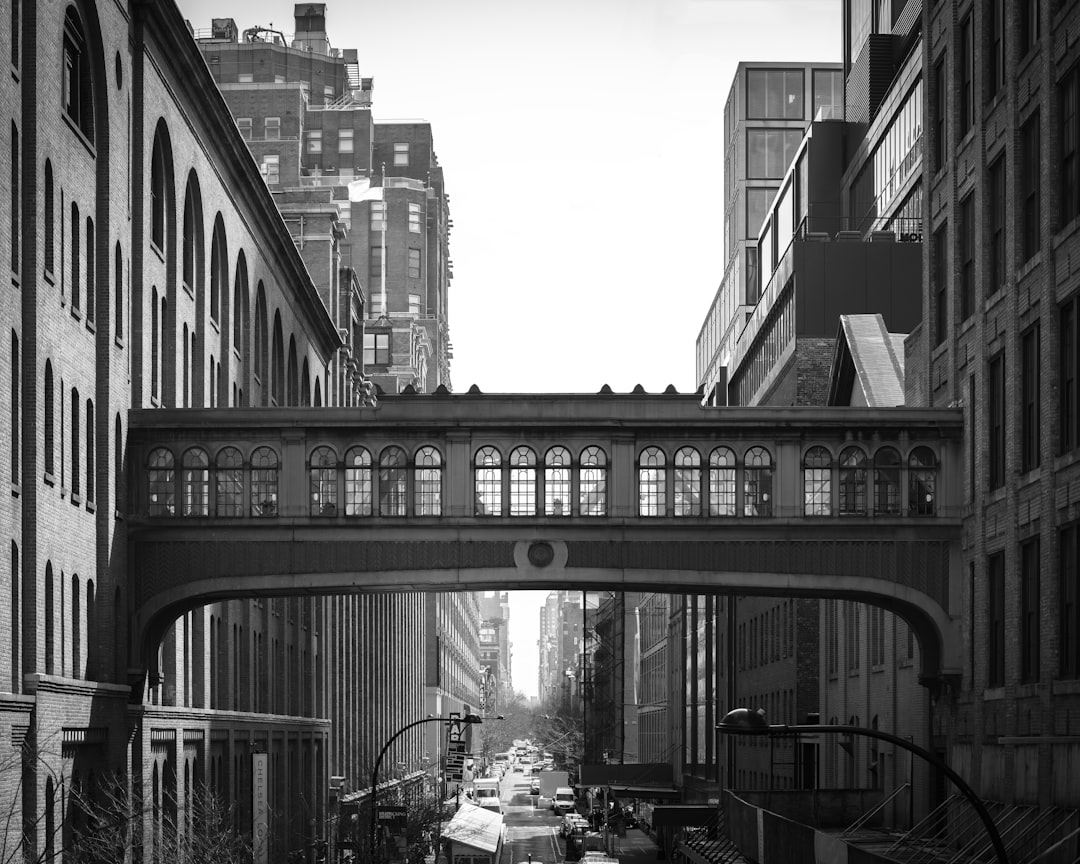
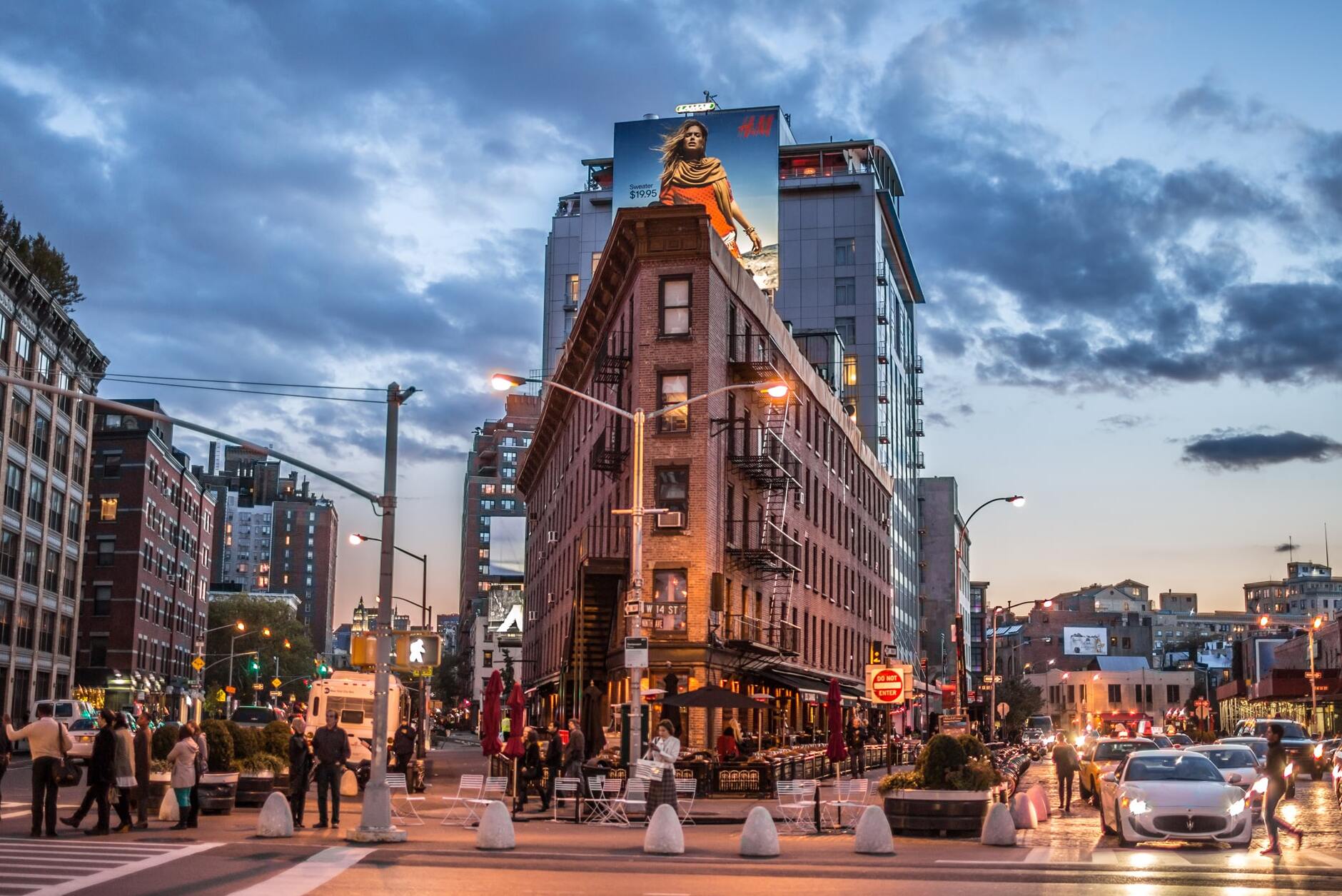
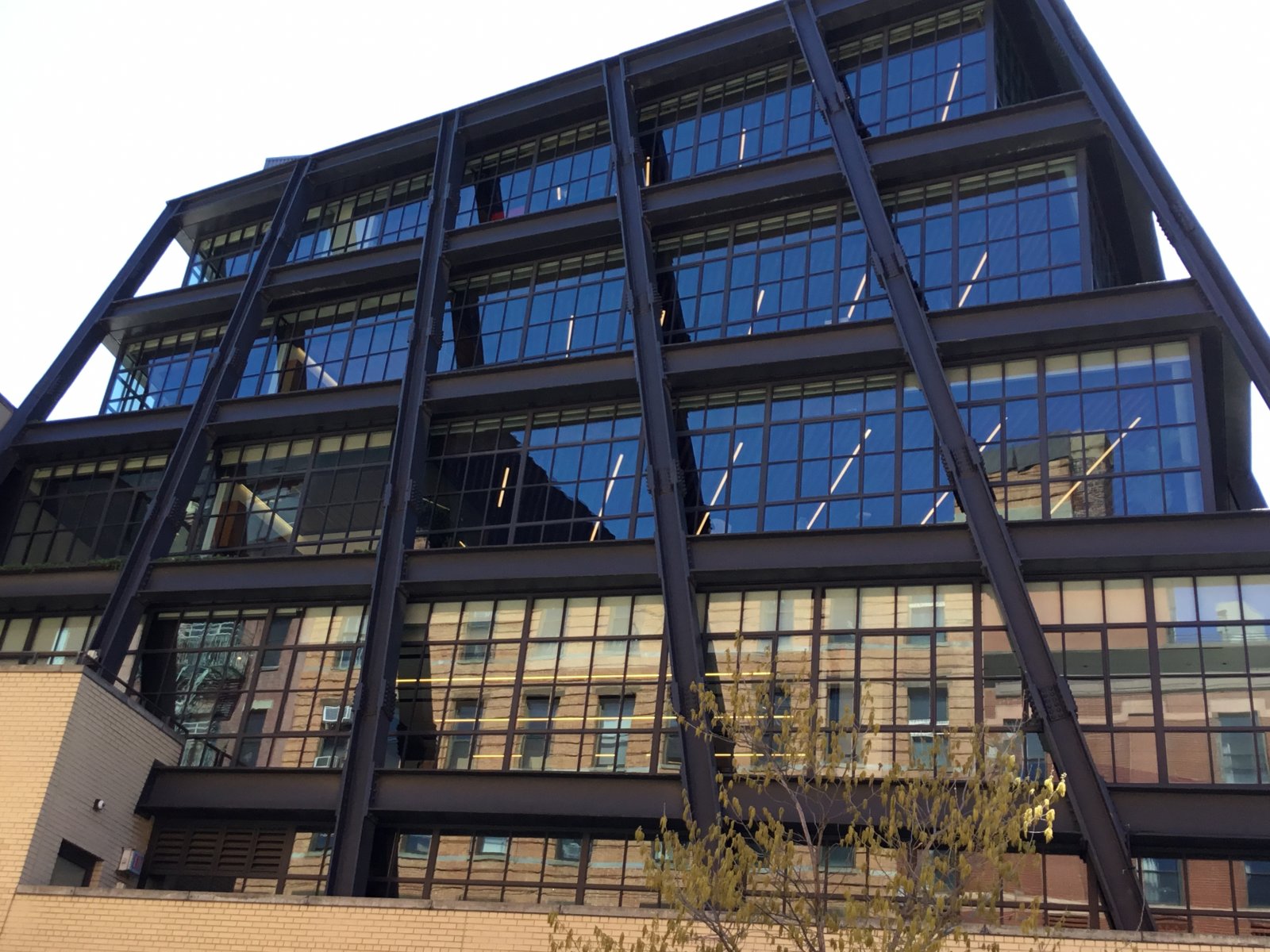
Architecturally, the Meatpacking District is a blend of historic warehouses and modern design. The area boasts a variety of styles, from the classic brick buildings that housed the slaughterhouses to contemporary structures like the Standard Hotel, designed by architect Ennead Architects. The juxtaposition of old and new is particularly striking; the High Line, with its lush planting and art installations, provides a green corridor that encourages exploration.
Art thrives in the Meatpacking District, with galleries like the David Zwirner Gallery and the Gagosian Gallery showcasing contemporary works by renowned artists. Public art installations can be found along the High Line, adding a dynamic element to the urban landscape. This artistic significance makes the area a cultural hotspot, attracting art enthusiasts from around the globe.
### Local Culture and Traditions
The culture of the Meatpacking District is as diverse as its inhabitants. While the area has embraced a new identity focused on luxury and modernity, it still retains echoes of its past. The neighborhood hosts several events throughout the year, such as the Meatpacking District's Annual Spring Festival, which celebrates the arrival of spring with food, music, and local vendors.
Local customs often revolve around the culinary scene, with an emphasis on farm-to-table dining, reflecting a commitment to sustainability. Many restaurants source ingredients from local farmers, and seasonal menus are a staple. The district's vibrant nightlife culture, characterized by exclusive clubs and rooftop lounges, adds another layer to its social fabric.
### Gastronomy
Culinary experiences in the Meatpacking District are nothing short of extraordinary. The area is home to a variety of restaurants that cater to diverse palates. Iconic establishments like Pastis, a French brasserie, and The Spotted Pig, known for its gastropub fare, are must-visit spots.
For those looking for something uniquely local, the Chelsea Market, located nearby, offers a plethora of food vendors serving everything from artisanal tacos to gourmet donuts. Be sure to try the New York-style pizza and bagels that this city is famous for, as well as innovative cocktails crafted by award-winning mixologists in the area’s chic bars.
### Lesser-known Curiosities
While many visitors flock to the well-trodden paths of the Meatpacking District, there are hidden gems that often go unnoticed. One such curiosity is the Gansevoort Market, a historic marketplace that has been revitalized into a food hall, showcasing local artisans and their creations.
Additionally, the neighborhood is steeped in LGBTQ+ history, serving as a backdrop for significant events like the Stonewall Riots in 1969, which sparked the modern LGBTQ+ rights movement. This rich history is often overshadowed by the district's contemporary image but remains integral to its identity.
### Practical Visitor Information
The best time to visit the Meatpacking District is during the spring and fall when the weather is pleasant, and outdoor spaces like the High Line are particularly inviting. Weekdays tend to be less crowded than weekends, allowing for a more leisurely exploration of the area.
When visiting, be sure to take a walk along the High Line, where you can enjoy stunning views of the Hudson River and the city skyline. Don’t miss the opportunity to pop into the local boutiques for unique finds or stop by one of the many cafes for a coffee and pastry.
For an enriching experience, consider exploring the district with a focus on its historical context, perhaps even joining a guided tour that delves into its past.
The Meatpacking District is a microcosm of New York City itself, blending the old with the new, and offering visitors a taste of its unique charm. With its rich history, vibrant art scene, and culinary delights, this neighborhood is a destination that promises unforgettable memories.
To truly personalize your New York experience, consider using the Secret World app to craft a tailored itinerary.