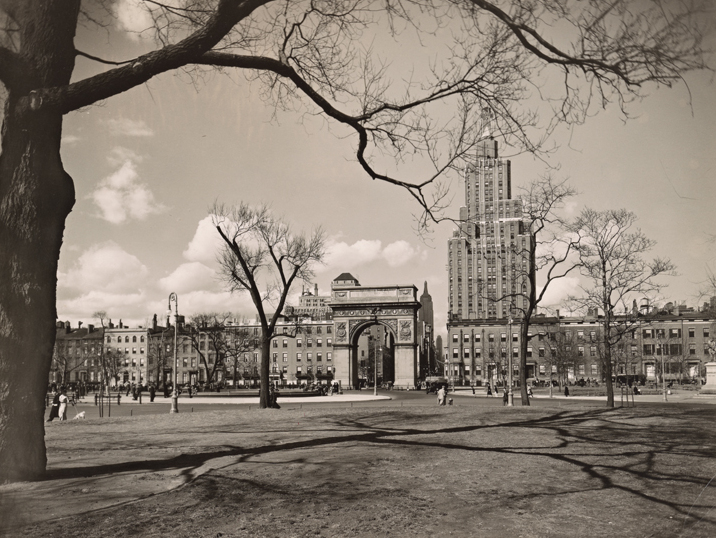

In the heart of Greenwich Village, Washington Square Park is a vibrant tapestry of history, culture, and urban life. Among its many features, one tree stands out—the storied Hangman's Elm. While local lore suggests it was a site of public executions, historians largely dismiss this notion. Regardless, the legend adds a layer of intrigue to an already fascinating area, where the echoes of the past resonate alongside the pulse of contemporary New York City.
### History and Origins
Washington Square Park has a rich and varied history, dating back to its origins as a marshy burial ground for unclaimed bodies in the late 17th century. The area was officially recognized as a public space in 1826, when it was transformed into a park and named after George Washington, who had famously traversed the area during the Revolutionary War. The park became a social and political gathering place, reflecting the evolving nature of New York itself.
The Hangman's Elm, estimated to be over 300 years old, is considered the oldest tree in New York City. While the tree is associated with the myth of hangings, it serves as a reminder of the park's darker history. Its gnarled branches have witnessed the evolution of the neighborhood—from a site of executions to a vibrant cultural hub housing artists, thinkers, and activists.
### Art and Architecture
The park is framed by a stunning array of architectural styles, from the stately New York University buildings to the iconic Washington Arch, which commemorates the centennial of Washington's inauguration as President in 1889. The arch, designed by Stanford White, is a stunning example of Roman triumphal architecture and serves as a focal point for visitors and locals alike.
Art flourishes here, with street performers and musicians often gracing the park’s pathways. Over the years, the park has been a canvas for artistic expression, hosting notable figures such as Bob Dylan and Charles Mingus. The juxtaposition of historical architecture and lively performances creates an atmosphere that is as much about the past as it is about the present.
### Local Culture and Traditions
Washington Square Park is a cultural melting pot, embodying the spirit of New York City. It is a gathering place for locals and tourists, offering a glimpse into the daily lives of New Yorkers. The park hosts various events, including the Washington Square Music Festival, which celebrates local musicians and the rich musical heritage of the area.
In addition to music, the park is a hub for social activism. From the Civil Rights Movement to recent protests advocating for social justice, Washington Square Park has become synonymous with the fight for change. The presence of the NYU community further enriches the park’s cultural fabric, as students and faculty contribute to discussions and events.
### Gastronomy
While Washington Square Park itself does not have a formal dining scene, it is surrounded by culinary delights that reflect the diverse character of the neighborhood. Just a short stroll away, visitors can find classic New York staples such as bagels and cream cheese from iconic shops like Bagel Bob’s or indulge in a slice of pizza from Joe's Pizza, a local favorite since 1975.
For those seeking a taste of the local café culture, the nearby Caffe Reggio offers a historic ambiance along with its famous Italian espresso. Additionally, Magnolia Bakery, known for its delectable banana pudding, is a must-visit for a sweet treat that captures the essence of New York’s dessert scene.
### Lesser-Known Curiosities
Beyond the well-trodden paths of Washington Square Park, numerous hidden gems await discovery. Few people know that the park was once the site of the Great Fire of 1835, which devastated much of lower Manhattan. Additionally, the park's fountain, designed in 1872, has become a social focal point, where chess players, sunbathers, and families converge.
Another fascinating aspect is the Hangman’s Elm itself. Its twisted branches are not just visually striking; they are home to various species of birds and insects, contributing to the urban ecosystem. The nearby plaque, which honors the tree, is a small yet significant marker of the park's layered history.
### Practical Visitor Information
The best time to visit Washington Square Park is during the spring and fall when the weather is mild, and the park is awash in colors from blooming flowers and changing leaves. Mornings are ideal for a peaceful stroll, while afternoons bring a vibrant atmosphere filled with music and laughter.
For those planning a visit, consider bringing a blanket to enjoy a picnic on the grass or a book to read under the shade of the Hangman’s Elm. Don’t forget to explore the surrounding neighborhood, where vintage shops, bookstores, and coffee houses beckon.
For a more personalized experience, consider using the Secret World app to craft your ideal itinerary for exploring New York City.