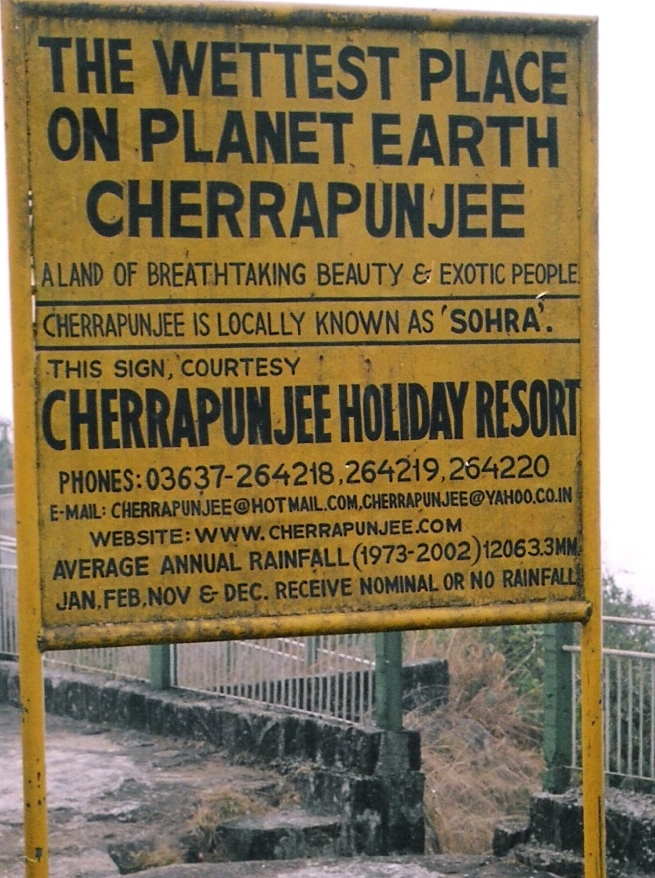

Cherrapunji, located in the East Khasi Hills of the Indian state of Meghalaya, holds the dubious honor of being the wettest place on earth. This picturesque town is not just a marvel of nature but a tapestry of rich history, culture, and stunning landscapes. With an average yearly rainfall that fluctuates around 450 inches (about 37.5 feet), Cherrapunji is a realm where the monsoon reigns supreme, transforming the landscape into a lush paradise.
### History and Origins The history of Cherrapunji dates back centuries, with its roots deeply intertwined with the Khasi tribe, one of the prominent indigenous communities of Meghalaya. The town was historically known as Sohra, a name derived from the Khasi word for the local area. It was during the British colonial period in the 19th century that Cherrapunji gained international distinction as a weather station. In 1860, it was officially recorded as the wettest place on Earth, a title that has intrigued visitors ever since. The town's strategic location made it a crucial site during the British Raj, serving as a trade route and a center for missionary activities.
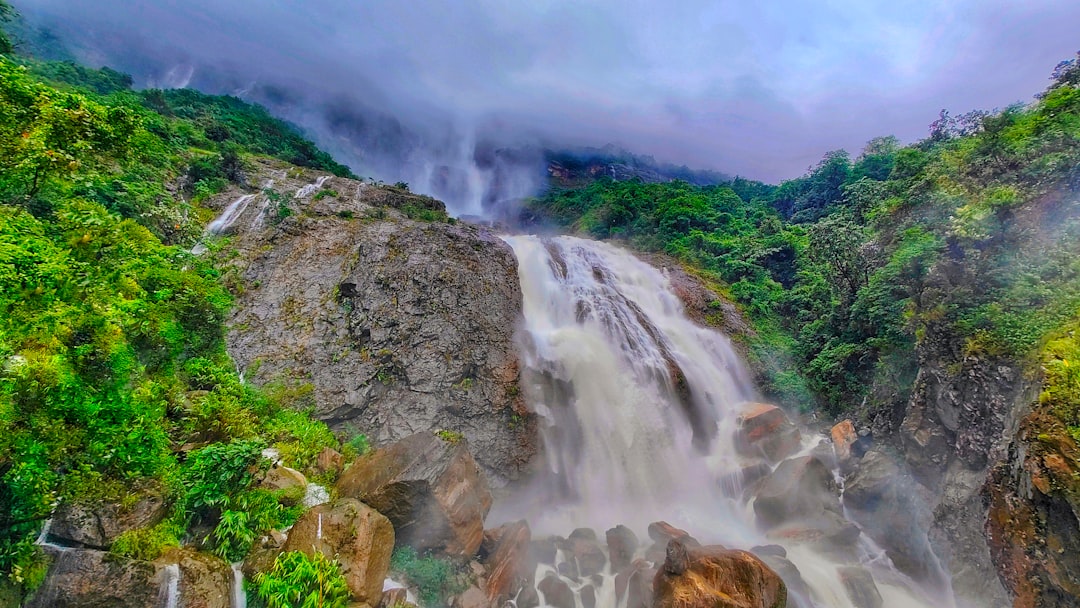
### Art and Architecture Cherrapunji's architecture is a reflection of the Khasi culture, predominantly characterized by traditional wooden structures built on stilts, designed to withstand the heavy monsoon rains. The Nohkalikai Falls, one of the tallest waterfalls in India, is surrounded by stunning natural formations that showcase the artistry of nature itself. The living root bridges, crafted from the roots of the Ficus elastica tree, are another remarkable feat of local ingenuity. These bridges, which can take over a decade to grow, are both functional and symbolic, representing the harmonious relationship between the Khasi people and their environment.
### Local Culture and Traditions Cherrapunji is a vibrant tableau of local customs and traditions. The Khasi tribe is matrilineal, meaning lineage is traced through the mother, and this unique societal structure influences various aspects of life, from property inheritance to familial roles. Festivals like Shad Suk Mynsiem, celebrated in April, showcase the community's rich cultural heritage through traditional dance, music, and feasting. Another important celebration is the Nongkrem Dance, held in November, which is a ritualistic dance performed to honor the goddess Ka Blei Synshar. These events are not only occasions for merriment but also serve to strengthen community bonds.
### Gastronomy A visit to Cherrapunji is incomplete without sampling its culinary delights. The local cuisine is a savory blend of flavors, heavily influenced by the Khasi culture. Popular dishes include Jadoh, a fragrant dish made with rice and meat, often accompanied by Dohneiiong, a flavorful pork curry cooked with black sesame seeds. Vegetarians can enjoy Bamboo Shoot dishes, which are a staple in the region. The traditional drink Tonga is made from fermented rice and is a must-try for those looking to immerse themselves in the local flavors. These dishes reflect the agricultural bounty of the region and the traditional cooking methods passed down through generations.
### Lesser-Known Curiosities While many visitors flock to the well-known attractions, there are hidden gems in Cherrapunji that often go unnoticed. For instance, the Mawsmai Cave, with its spectacular limestone formations, is an incredible site that reveals the geological history of the region. Additionally, the Living Root Bridges are not just functional pathways but also serve as a testament to the Khasi people’s respect for nature, as they often enhance the growth of the trees rather than cutting them down. A visit to the Sohra Market offers a glimpse into daily life, where local artisans sell handmade crafts, and vibrant produce reflects the region's agricultural heritage.
### Practical Visitor Information The best time to visit Cherrapunji is during the months of October to April, when the weather is pleasant and the rainfall is less intense. If you aim to witness the full force of the monsoon, visiting from June to September can be an exhilarating experience, though it comes with challenges such as heavy rainfall and landslides. Travelers should dress in layers, carry waterproof gear, and be prepared for sudden changes in weather. Exploring the Nohkalikai Falls, trekking to the root bridges, and visiting the Dainthlen Falls are must-do activities for nature lovers.
Cherrapunji is not just a destination; it is a celebration of nature, culture, and resilience. The endless lush greenery, cascading waterfalls, and the warmth of the Khasi people create an unforgettable experience. To make the most of your visit, consider planning your itinerary with the Secret World app for a personalized journey through this enchanting region.