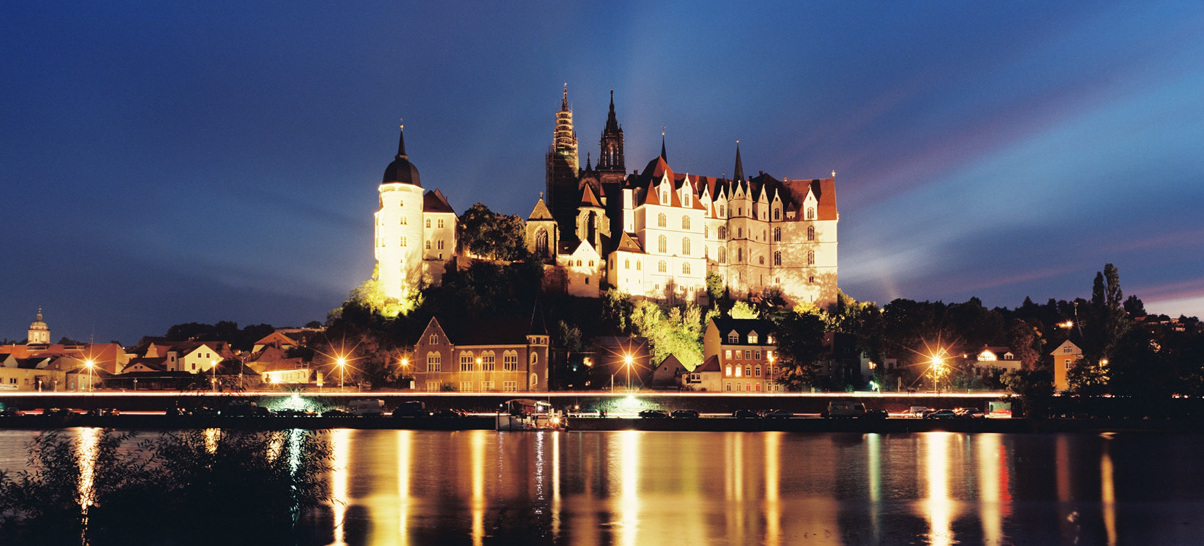

Perched majestically on the Burgberg hill, the enchanting town of Meissen unfolds its rich tapestry of history, artistry, and culture. Known primarily as the birthplace of fine porcelain, Meissen is a gem nestled in the heart of Saxony, Germany, where the confluence of the Elbe, Triebisch, and Meisa rivers has shaped its destiny for centuries.
### History and Origins
The origins of Meissen date back to the 10th century when it emerged as a stronghold for the Counts of Meissen. The strategic location offered a commanding view of the surrounding landscape, making it an ideal site for a fortress. In 929, King Henry I granted the town its charter, propelling it into a significant position within the Holy Roman Empire.
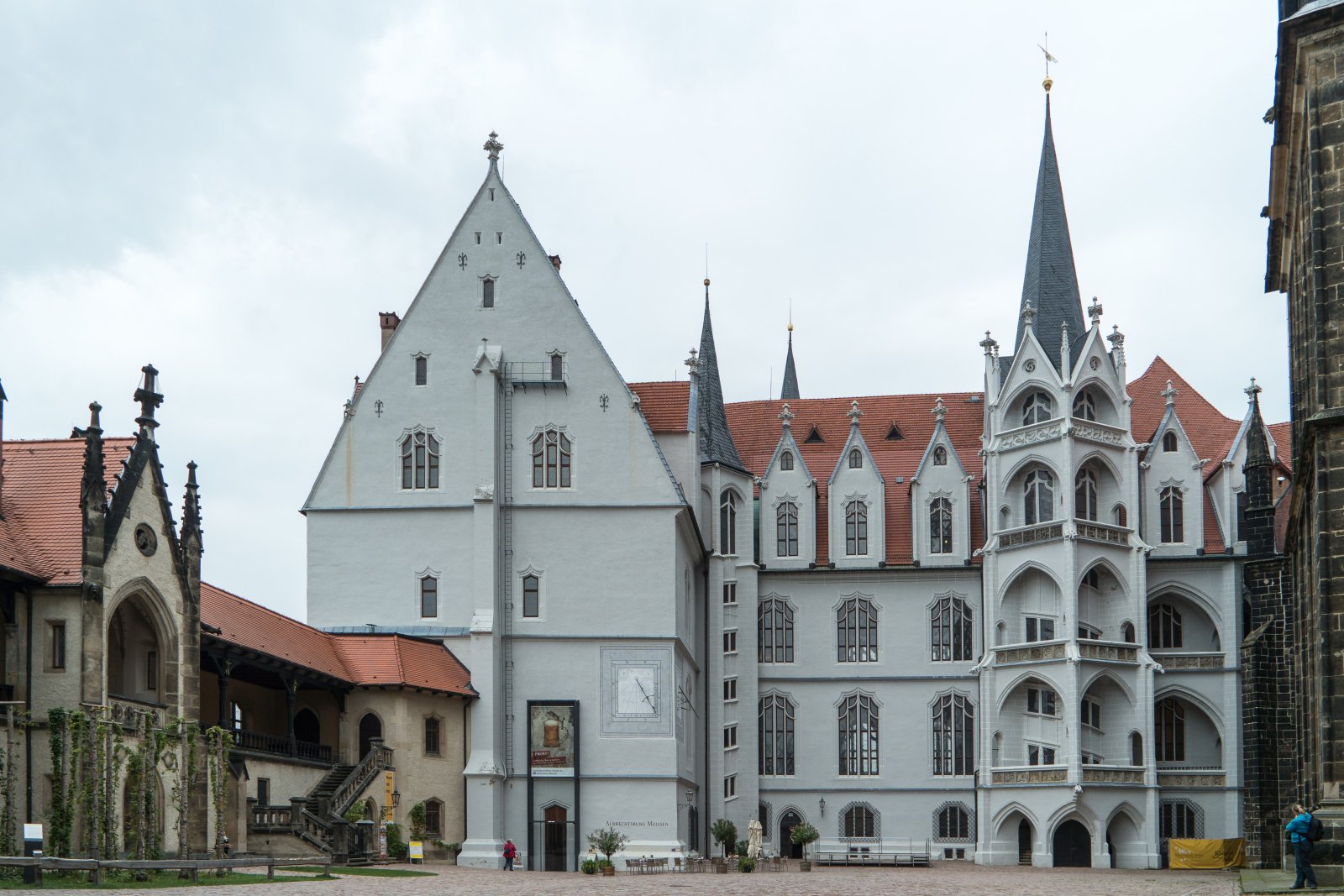
The establishment of the Albrechtsburg in the early 15th century marked a pivotal moment in Meissen's history. This was not only the first castle of its kind in Germany but also a symbol of the Saxon dynasty's aspirations. The castle's construction was overseen by Elector Frederick the Wise, who sought to create a residence that reflected the power and prestige of his rule.
As the centuries rolled on, Meissen’s importance grew. It became a thriving center for trade and craftsmanship, particularly in the production of ceramics, which would eventually lead to the discovery of the secret to porcelain in the 18th century. This breakthrough, attributed to Johann Friedrich Böttger, solidified Meissen’s reputation as the “Porcelain City.”
### Art and Architecture
The architectural landscape of Meissen is a stunning showcase of various styles, from Gothic to Renaissance. The Albrechtsburg, with its intricate façade and stunning interior, is a must-see. The castle's Great Hall, adorned with elaborate wooden ceilings and a magnificent fireplace, serves as a testament to the craftsmanship of the era.
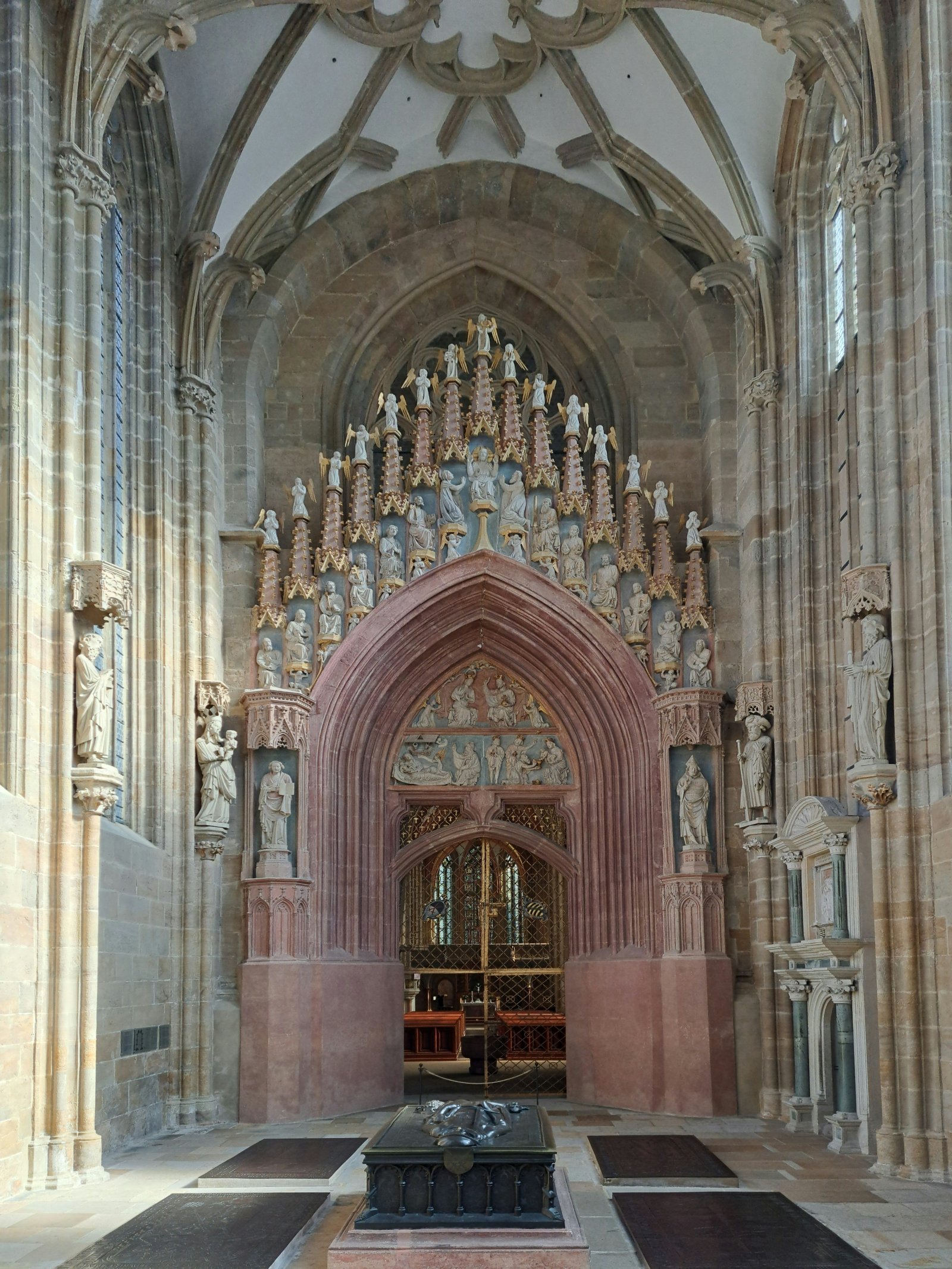
Meissen Cathedral, or Dom St. Johannes und St. Donatus, is another highlight. This Gothic masterpiece, completed in 1410, boasts two towering spires that dominate the skyline. Inside, visitors can marvel at the Altar of St. Afra and the exquisite stained glass that narrates biblical stories.
The town is also home to numerous galleries and workshops showcasing local artisans. The Meissen Porcelain Manufactory, established in 1710, offers guided tours where visitors can witness the meticulous process of porcelain-making, from the initial molding to the final painting.
### Local Culture and Traditions
Meissen thrives on its cultural heritage, which is evident in its vibrant local customs and festivals. One of the most notable is the Meissen Wine Festival, celebrated every September, where locals and tourists alike gather to enjoy regional wines, food, and live music. This event underscores the town’s deep connection to the nearby Saxon Wine Route, famous for its scenic vineyards.
Another cherished tradition is the St. Nicholas Day celebration on December 6, where children eagerly await the arrival of St. Nicholas, who brings sweets and small gifts. The festive atmosphere is palpable, with markets and lights illuminating the historical streets.
### Gastronomy
Meissen’s culinary offerings reflect its agricultural roots and proximity to the Elbe. Visitors should not miss trying the local specialty, Sächsischer Sauerbraten—a pot roast marinated in a mix of vinegar and spices, often served with red cabbage and dumplings.
For those with a sweet tooth, Meissener Zuckerstücke, a traditional confection made from sugar and almonds, is a delightful treat. Pair these dishes with a glass of Saxon Riesling to truly experience the region's flavors.
### Lesser-Known Curiosities
While Meissen is famed for its porcelain, many visitors overlook the charming Old Town, where narrow cobblestone streets are lined with half-timbered houses that tell tales of centuries past. The Petrikirche, a lesser-known church, features a stunning wooden altar and offers panoramic views of the town from its tower.
Another surprising fact is that Meissen was once home to the Saxon Academy of Arts, which played a crucial role in the cultural development of the region. This institution, founded in 1765, nurtured many artists who would go on to influence European art.
### Practical Visitor Information
The best time to visit Meissen is during the spring and early autumn months when the weather is pleasant and the town is less crowded. The annual Meissen Wine Festival in September is particularly vibrant, providing a unique glimpse into local traditions.
When planning your visit, take the time to explore the Porcelain Museum and the Albrechtsburg castle. Don’t forget to stroll along the riverbanks for picturesque views of the town.
For an enriching experience, engage with local guides who can share stories and insights that reveal the hidden layers of this historical city.
As you wander through the cobblestone streets of Meissen, let its history and artistry captivate your senses. To plan your personalized itinerary, consider using the Secret World app for a tailored experience that will help you uncover the best of this enchanting city.