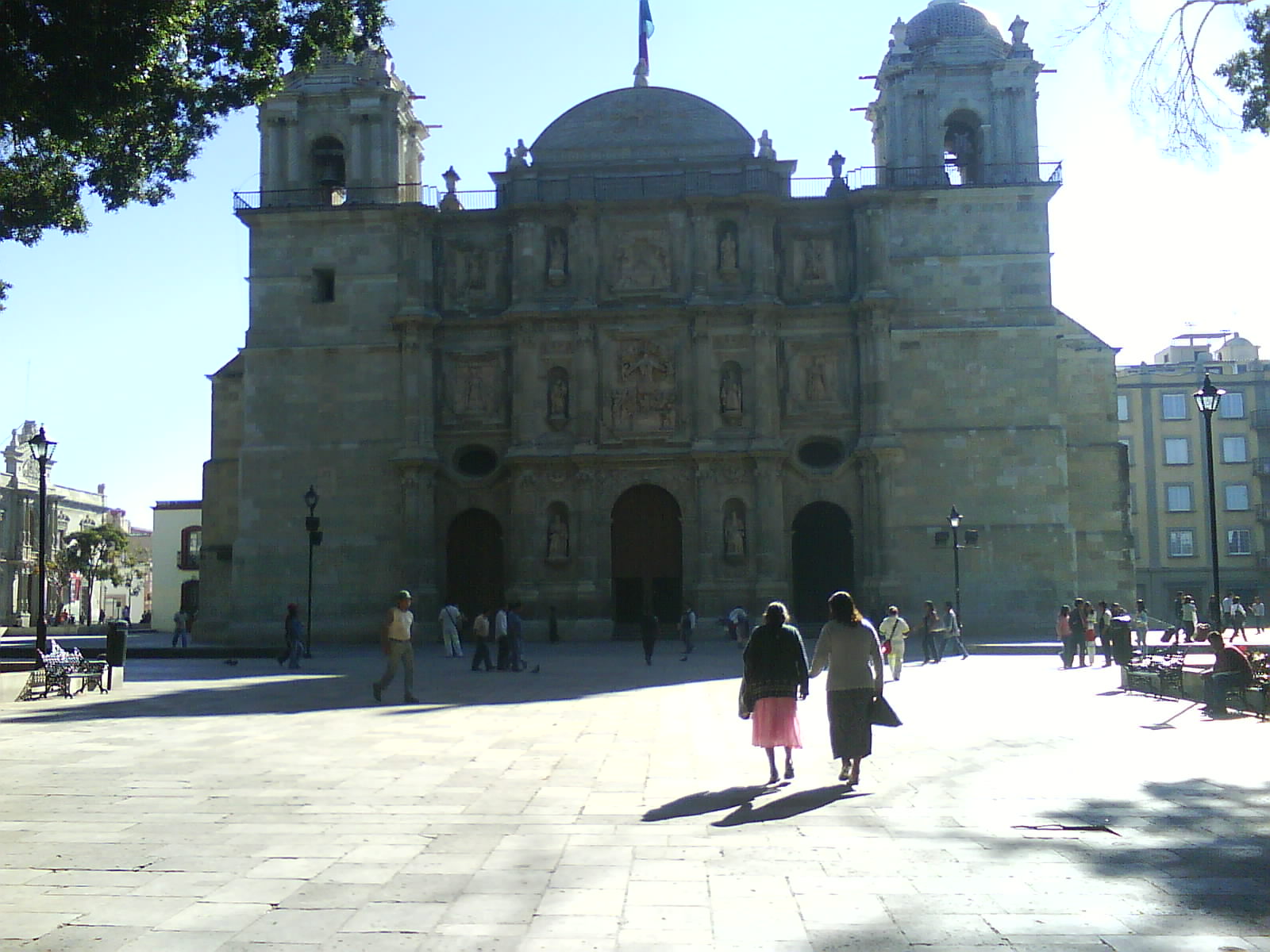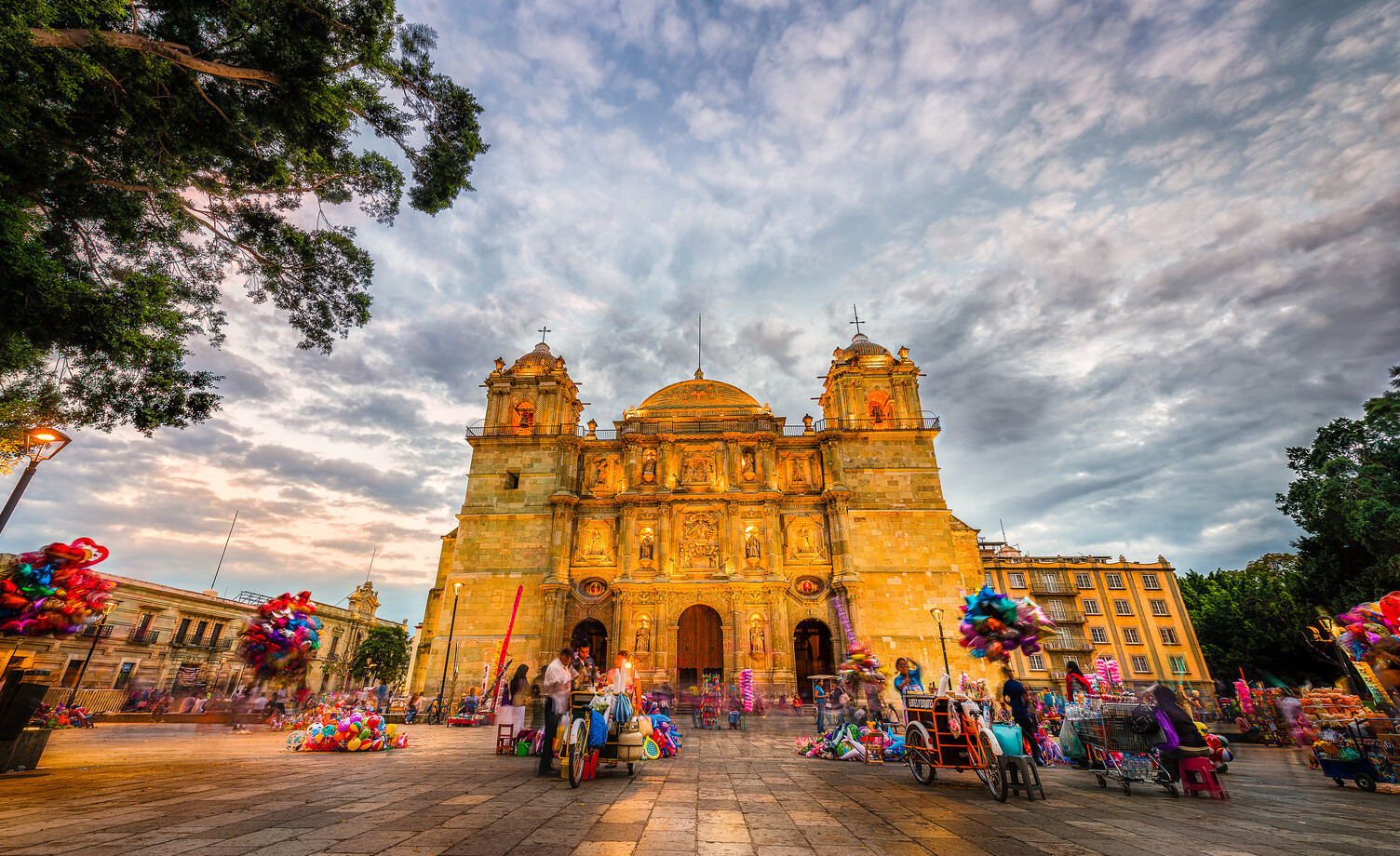

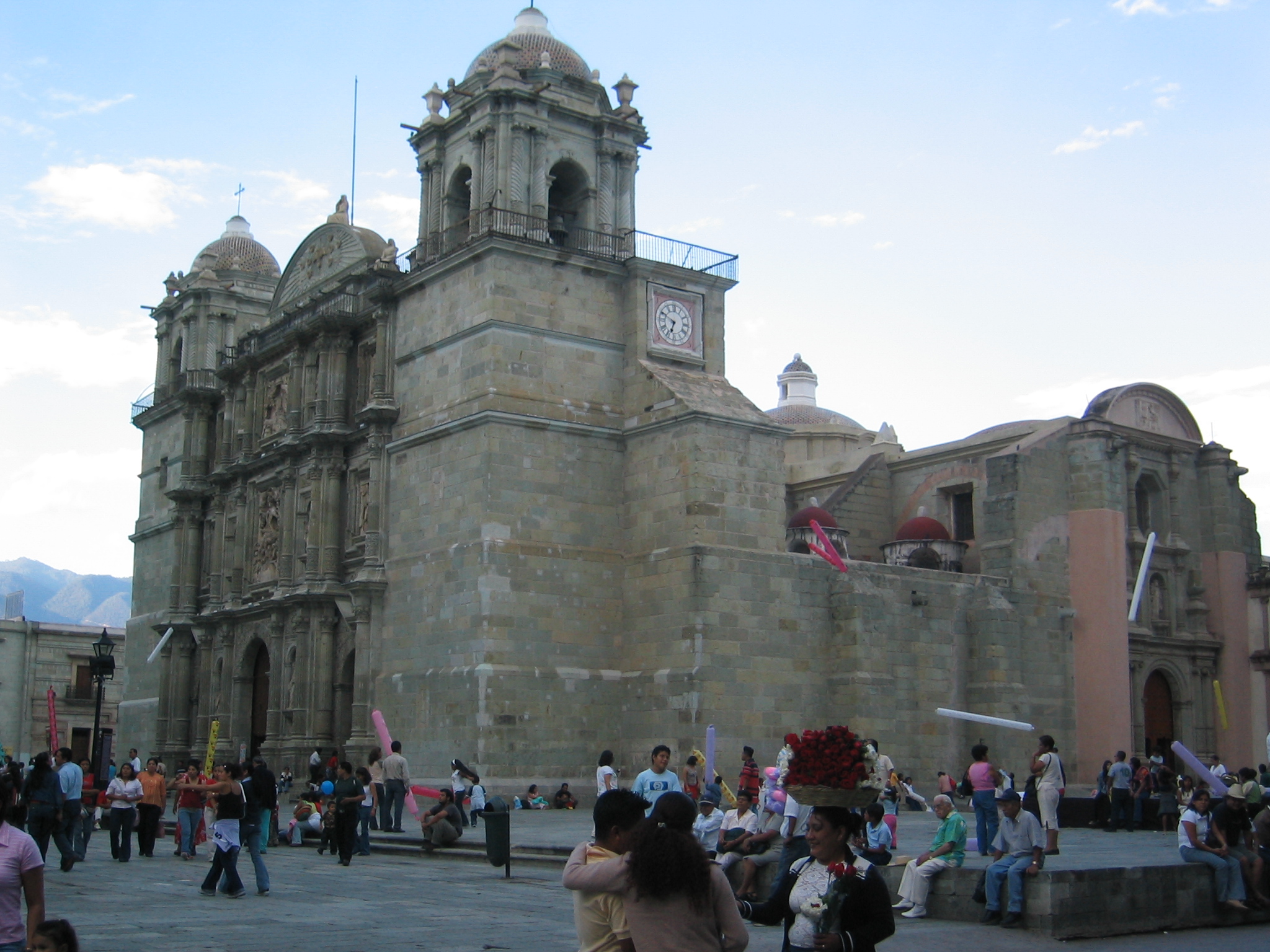
{ "title": "Cathedral of Oaxaca: A Baroque Marvel in Mexico", "description": "The Cathedral of Oaxaca, also known as the Catedral de Nuestra Señora de la Asunción, stands as a striking testament to the rich tapestry of Oaxacan history and culture. Nestled on the north side of the zócalo in Oaxaca de Juárez, this magnificent structure is not only a spiritual hub but also a canvas reflecting the collision of pre-Hispanic and Spanish colonial influences.\n\n### History and Origins\nThe history of the Cathedral of Oaxaca is as layered as the city itself. Construction began in 1535, shortly after the Spanish conquest of the region. The site where the cathedral stands was once home to a Zapotec temple, a precursor to the grand structure that would rise from its ashes. The cathedral was built to honor the Virgin of the Assumption, a significant figure in Catholicism, and was completed in 1733 after nearly two centuries of work.\n\nOver the years, the cathedral has witnessed pivotal moments in Mexican history, including the war for independence and the tumultuous periods of reform and revolution. Its walls hold stories of both resilience and transformation, reflecting the spirit of a city that has continually adapted to changing times.\n\n### Art and Architecture\nDraped in the elegance of the Baroque style, the Cathedral of Oaxaca is primarily constructed from local green stone, giving it a unique hue that shifts with the light of day. The basilica layout is adorned with intricate carvings, particularly the main façade, which features exquisite sculptures of saints and elaborate floral motifs.\n\nInside, the cathedral's interior is equally mesmerizing. The altarpiece is a standout feature, resplendent in gold leaf, showcasing the craftsmanship of artisans who blended Spanish and indigenous techniques. Notably, the cathedral houses several important artworks, including paintings by Oaxacan artists that depict key scenes from Christian theology, making it not just a place of worship but also a gallery of religious art.\n\n### Local Culture and Traditions\nThe Cathedral of Oaxaca is not merely a monument; it is a living part of the community. It plays a central role in local customs and traditions, particularly during the Feast of the Assumption, celebrated on August 15. This vibrant festival draws locals and tourists alike, featuring processions, traditional music, and dance, all of which imbue the area with a palpable energy.\n\nAdditionally, the cathedral is often a backdrop for weddings, religious ceremonies, and community gatherings, highlighting its integral role in the social fabric of Oaxaca de Juárez. The blend of indigenous and Spanish cultures is evident in the various rituals that take place here, showcasing the city’s rich heritage.\n\n### Gastronomy\nNo visit to Oaxaca would be complete without indulging in its gastronomic delights. The area surrounding the cathedral offers a plethora of culinary experiences. One must-try dish is mole, a rich sauce made from a blend of chiles, spices, and chocolate, often served over chicken or turkey. The city is also famous for its tlayudas, large tortillas topped with beans, cheese, and various meats, which can be savored at local eateries.\n\nTo quench your thirst, sample a glass of mezcal, the region's celebrated spirit, distilled from the agave plant. Enjoying mezcal in one of the local bars or at a festival adds to the authentic Oaxacan experience, allowing visitors to taste the essence of the region.\n\n### Lesser-Known Curiosities\nWhile the Cathedral of Oaxaca is a prominent landmark, there are many lesser-known details that might surprise visitors. One such curiosity is the presence of catacombs beneath the cathedral, which were once used for burials and are a poignant reminder of the city's past.\n\nAdditionally, the cathedral’s bell tower is home to a unique bell, known as the **"
," that bears the inscription "