
← Back

Oaxaca is a quiet little city

Oaxaca, Messico ★★★★☆ 924 views
Rania Bafna
Oaxaca
🏆 AI Trip Planner 2026

Get the free app

Discover the best of Oaxaca with Secret World — the AI trip planner with 1M+ destinations. Get personalized itineraries, hidden gems and local tips. Free on iOS & Android.

🧠 AI Itineraries 🎒 Trip Toolkit 🎮 KnowWhere Game 🎧 Audio Guides 📹 Videos
Scan to download iOS / Android
Scan for AppGallery Huawei users

About Oaxaca is a quiet little city

Oaxaca is a quiet little city - Oaxaca | Secret World Trip Planner

Nestled in the heart of southern Mexico, Oaxaca is a city that whispers tales of its rich history and vibrant culture. Renowned as the foodie capital of Mexico, it offers a delightful blend of culinary experiences, artistic heritage, and ancient traditions that beckon travelers from all around the globe.

Oaxaca is a quiet little city - Oaxaca | Secret World Trip Planner

### History and Origins The history of Oaxaca is as rich as its famous mole sauce. Originally inhabited by the Zapotec and Mixtec civilizations, the region boasts archaeological wonders that date back thousands of years. Monte Albán, one of the earliest cities in Mesoamerica, was established around 500 BC and became a political and cultural center until around 750 AD. Its impressive pyramids and tombs are a testament to the ingenuity of its builders.

In 1521, the Spanish conquistador Hernán Cortés arrived, leading to the colonial founding of the city of Oaxaca in 1532. The city flourished under Spanish rule, evident in its colonial architecture, which blends indigenous and European styles. Throughout the centuries, Oaxaca has seen its share of turmoil, including the Mexican War of Independence and the revolution in the early 20th century, but it has emerged as a resilient hub of culture and tradition.

Oaxaca is a quiet little city - Oaxaca | Secret World Trip Planner

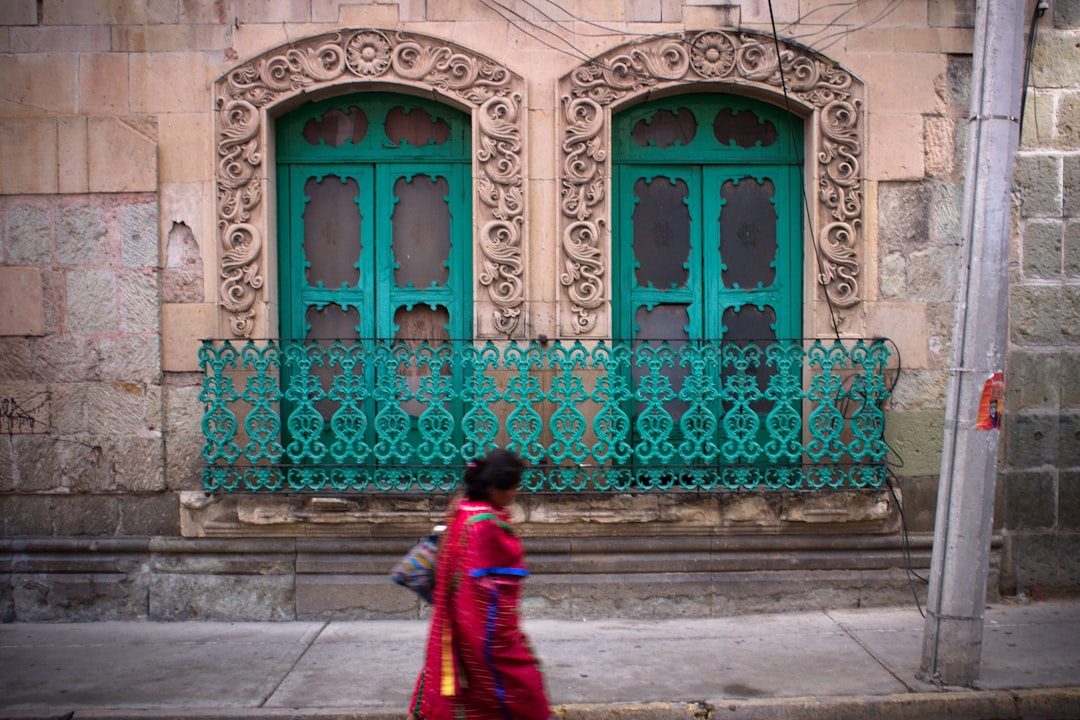
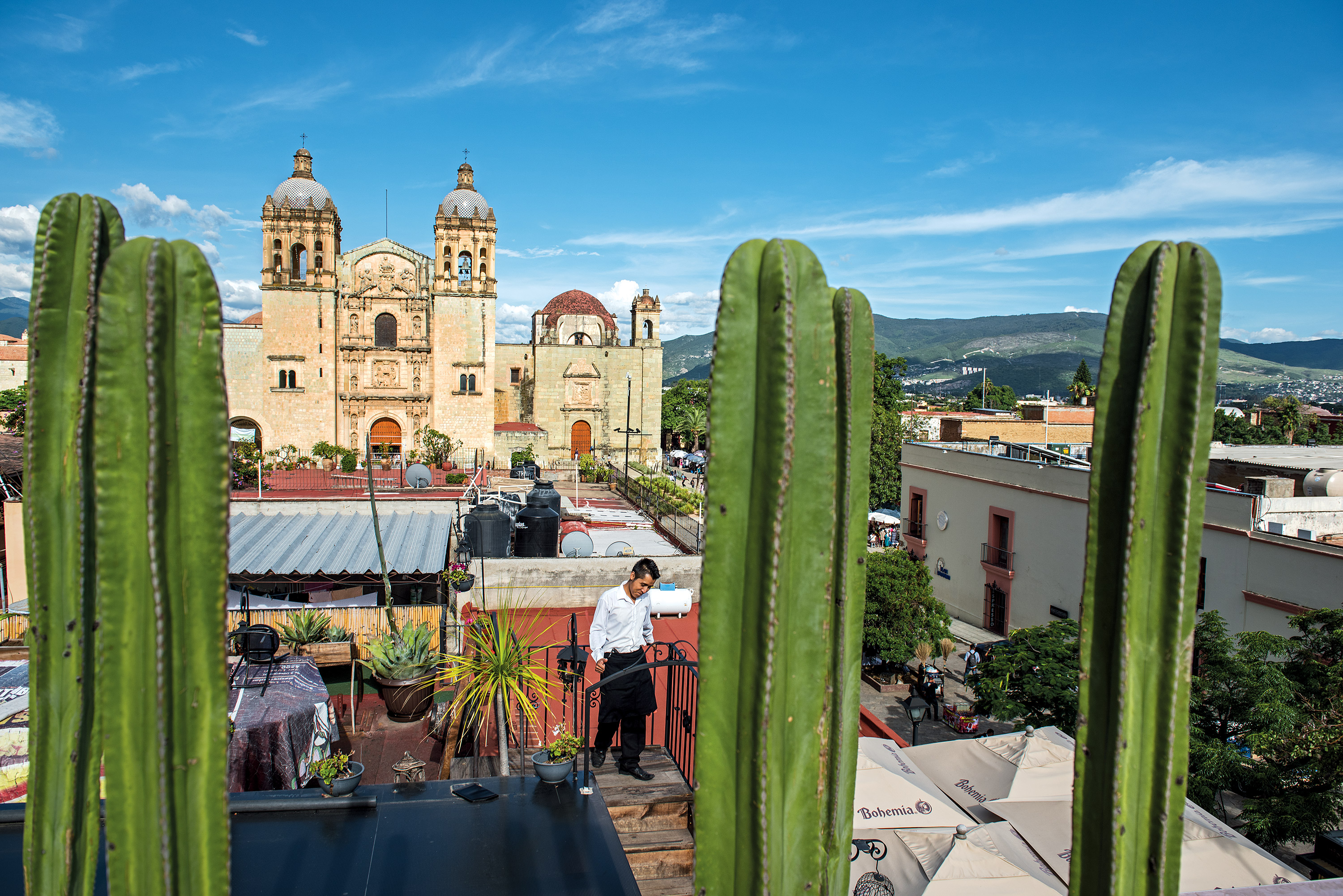
### Art and Architecture Oaxaca’s architecture is a canvas of colonial splendor and indigenous influence. The Santo Domingo de Guzmán Church, built in the late 16th century, is a stunning example of Baroque architecture with its ornate façade and intricate interior decorated with gold leaf. The city center is a UNESCO World Heritage site, filled with colorful buildings, bustling plazas, and vibrant murals that reflect the spirit of its people.

Notably, the works of Rufino Tamayo, a prominent Oaxacan painter, have put the region on the artistic map. His use of bold colors and traditional themes embodies the essence of Oaxaca, infusing modern art with indigenous cultural elements.

### Local Culture and Traditions The heartbeat of Oaxaca is its rich cultural tapestry, woven with local customs and traditions. The city celebrates numerous festivals throughout the year, with Guelaguetza being the most famous. Held in July, this festival showcases the diverse cultures of Oaxaca through traditional dance, music, and costumes, bringing together communities from all over the state.

Another significant celebration is the Day of the Dead (Día de los Muertos), where families honor their deceased loved ones with colorful altars, marigolds, and sugar skulls. The streets come alive with parades and offerings, creating a captivating atmosphere that highlights the importance of remembrance in Oaxacan culture.

### Gastronomy No visit to Oaxaca is complete without indulging in its gastronomic delights. The city is famed for its mole, particularly mole negro, a rich, dark sauce made from a blend of ingredients including chilies, chocolate, and spices. Each restaurant has its unique twist, making it a culinary adventure to taste mole across different venues.

Oaxaca is also the birthplace of mezcal, a distilled spirit made from the agave plant. The smoky flavor of mezcal reflects the artisanal methods of production, and many local distilleries offer tours and tastings. Pair your mezcal with tlayudas, a large, crispy tortilla topped with beans, cheese, and various meats, for a truly local experience.

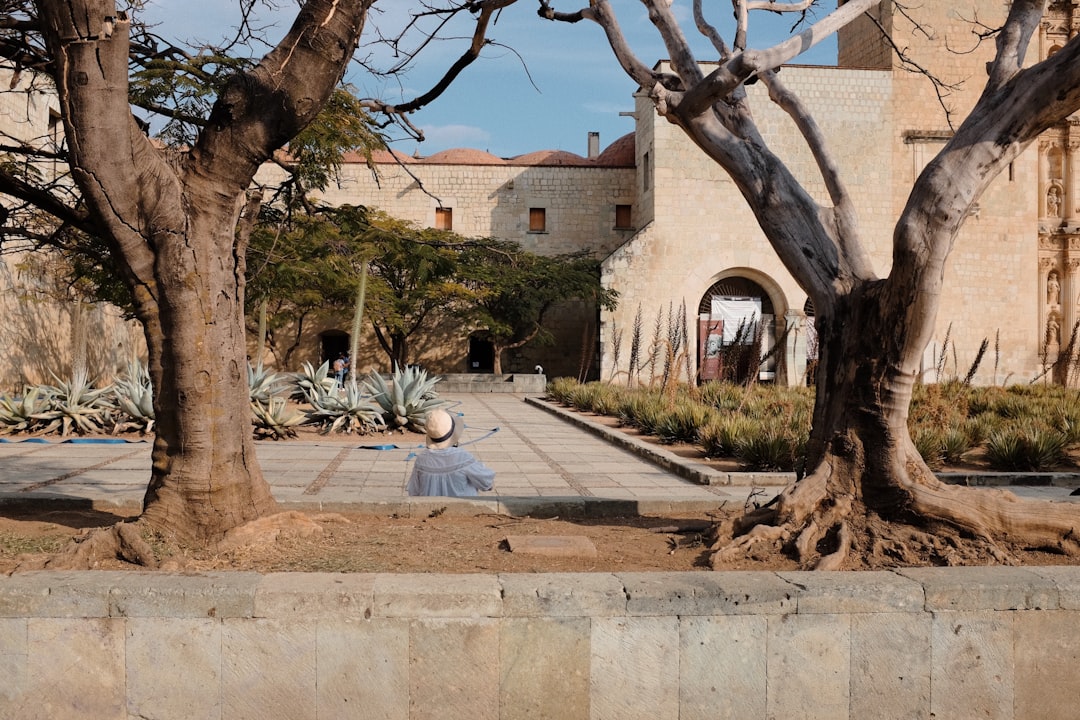
### Lesser-Known Curiosities While many tourists flock to the well-known attractions, Oaxaca has its share of hidden gems. For instance, the Ethnobotanical Gardens are a must-visit for plant lovers. Created from the old convent of Santo Domingo, these gardens showcase the rich biodiversity of the region and offer guided tours in English just twice a week.

Another lesser-known fact is that Oaxaca is home to the world’s biggest tree: the El Árbol del Tule, a cypress tree estimated to be over 2,000 years old, with a trunk circumference of over 42 meters. This tree is a symbol of resilience and life, much like the city itself.

### Practical Visitor Information The best time to visit Oaxaca is during the dry months of October to April, when the weather is pleasant for exploring the city and its surroundings. Be sure to wander through the bustling Mercado 20 de Noviembre, where you can savor street food and local crafts.

When planning your trip, set aside time to visit the nearby archaeological sites of Mitla and Monte Albán, both easily accessible from the city and offering a glimpse into ancient Oaxacan civilization.

Lastly, learning a few phrases in Spanish can enhance your experience, as many locals appreciate the effort.

Oaxaca is a tapestry of flavors, sights, and sounds that invites exploration and discovery. For a personalized itinerary, consider using the Secret World app to craft your unique Oaxacan adventure.

🗺 AI Trip Planner 2026

Plan your visit to Oaxaca

Suggested itinerary near Oaxaca is a quiet little city

MAJ+
500.000+ travelers worldwide
  1. 🌅
    Morning
    Oaxaca is a quiet little city
    📍 Oaxaca
  2. ☀️
    Afternoon
    Mexico | Cathedral of Oaxaca
    📍 1.3 km · Oaxaca
  3. 🌆
    Evening
    Hierve el Agua: natural rock formations in Oaxaca
    📍 2.5 km · Oaxaca

Buy Unique Travel Experiences

Powered by Viator

See more on Viator.com

Explore nearby · Oaxaca