
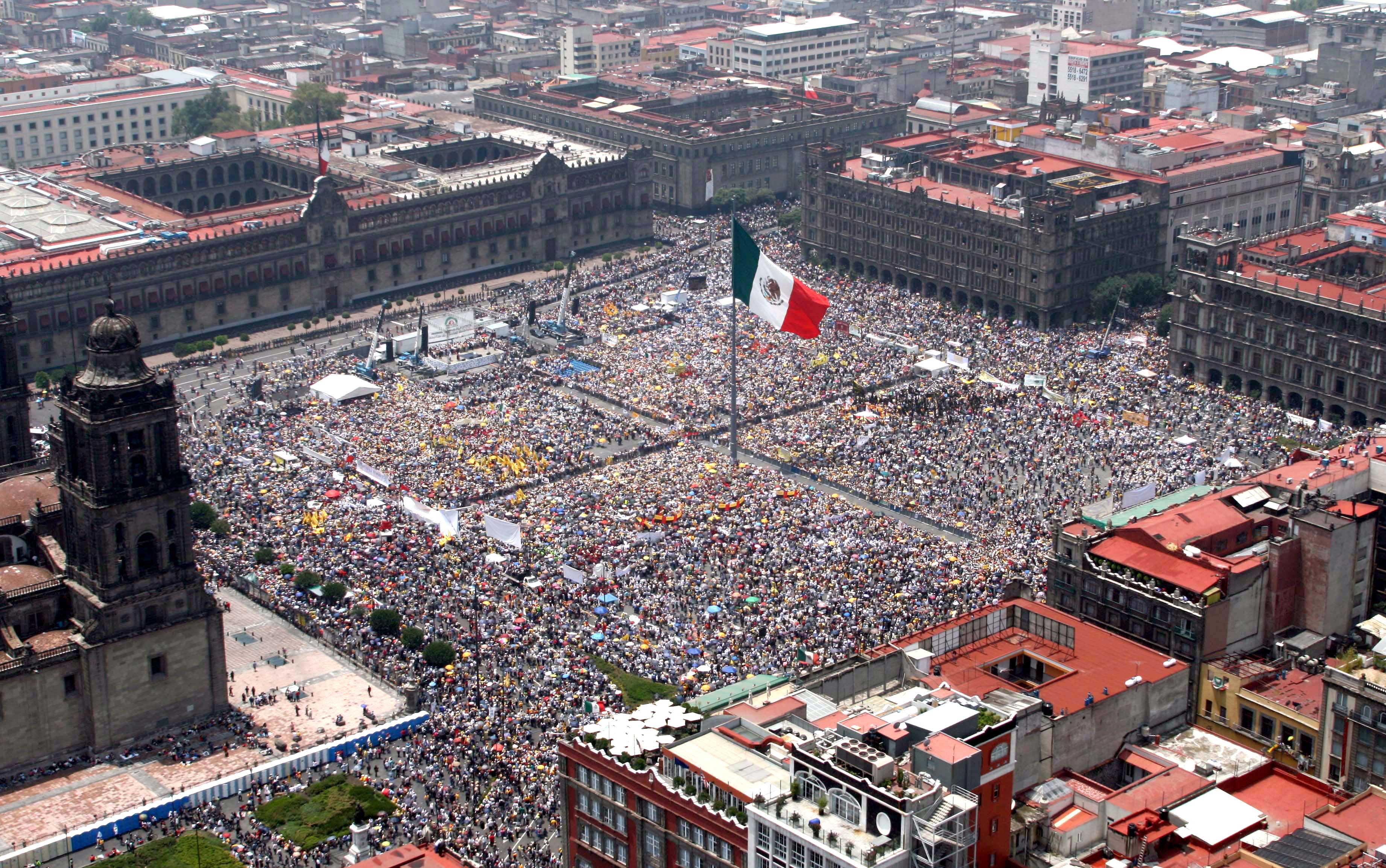

In the heart of Mexico City, the Plaza de la Constitución, widely known as the Zócalo, serves as a vibrant focal point that intertwines the city's rich history, art, and culture. Spanning over 240 meters on each side, this expansive square is one of the largest in the world and is surrounded by an array of stunning architecture that reflects Mexico's colonial past and modern aspirations. The origins of the Zócalo trace back to the Aztec Empire, where it was known as Tenochtitlan, the capital of the Aztec civilization founded in 1325. The square was the ceremonial heart of the Aztec city and was home to the grand Templo Mayor, the main temple dedicated to the gods Huitzilopochtli and Tlaloc. Following the Spanish conquest in 1521, the square evolved, and Spanish colonial architecture replaced the indigenous structures, leading to the dramatic transformation of the area. In the 19th century, the Zócalo earned its nickname, meaning ‘base,’ when plans for a monumental independence monument were left unfulfilled, leaving only the pedestal standing as a reminder of unfulfilled aspirations.
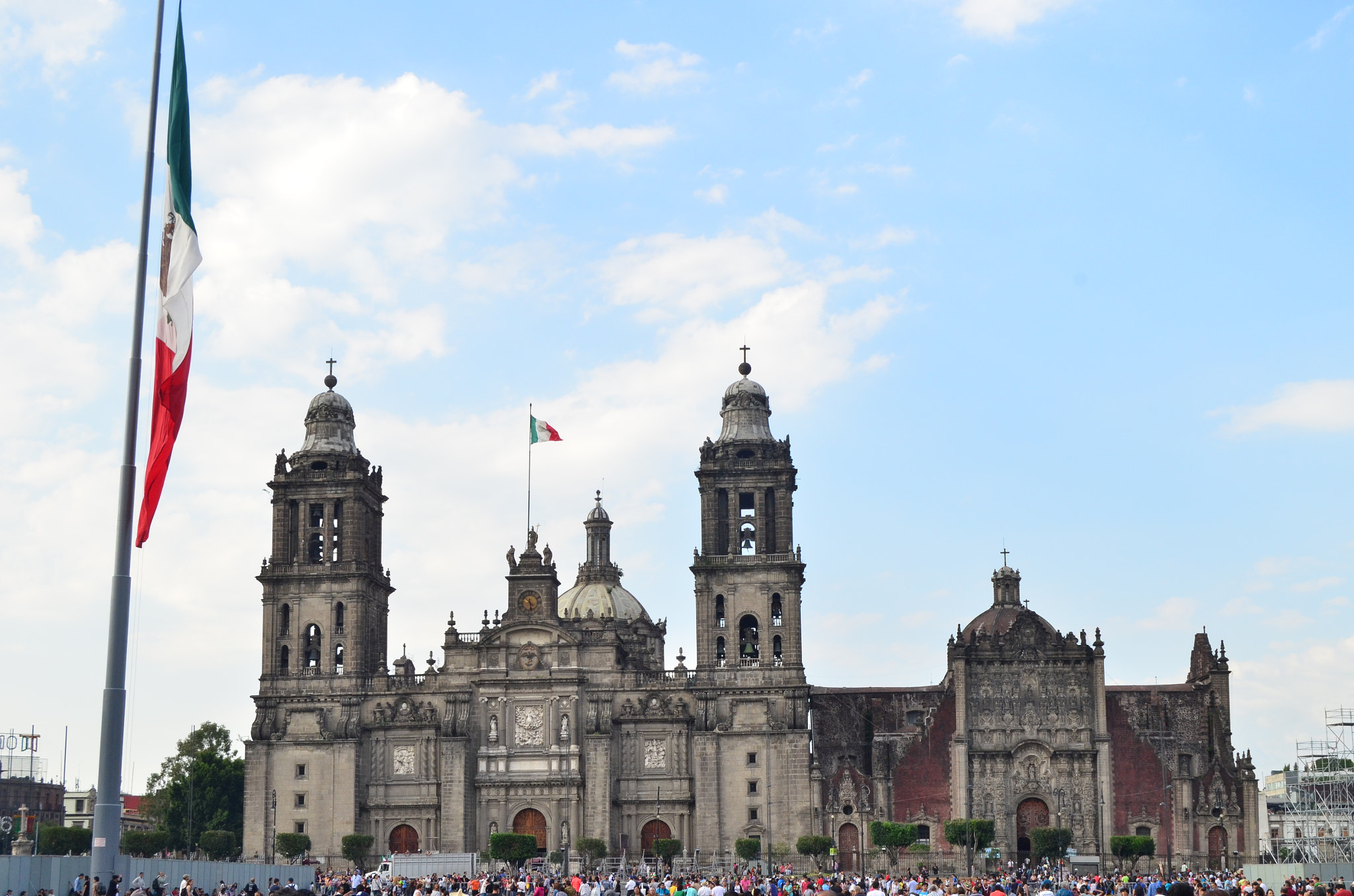
The architecture surrounding the Zócalo tells stories of its layered history. The Metropolitan Cathedral, an iconic symbol of colonial Mexico, showcases a stunning blend of Baroque and Neoclassical styles. Completed in 1813, it is the largest cathedral in Latin America and sits majestically on the northern side of the square. Nearby, the National Palace houses impressive murals by the renowned artist Diego Rivera, depicting Mexico's history from the pre-Hispanic era to the Mexican Revolution. Each brushstroke in these murals contributes to the cultural narrative of the nation, making the Zócalo not just a square but a canvas of Mexico’s past.
Culturally, the Zócalo is a hub of activity, often filled with both locals and tourists. It serves as a stage for various festivals and events, including the Day of the Dead celebrations, where vibrant altars and decorations honor the memories of the deceased. The Grito de Dolores ceremony on September 15 marks the eve of Mexico's independence, drawing crowds to witness the reenactment of Miguel Hidalgo's historic cry for freedom. Street performers, musicians, and artists often populate the square, bringing a lively atmosphere that reflects the heart of Mexican culture.
When it comes to gastronomy, the Zócalo area offers a delightful array of local culinary treasures. Try tacos al pastor from one of the nearby street vendors, a delicious fusion of marinated pork, pineapple, and fresh cilantro. Another local favorite is churros, which are often served with hot chocolate for dipping. For a more sit-down experience, Café de Tacuba, a historic restaurant established in 1912, offers traditional Mexican dishes in a beautifully decorated setting adorned with murals and colorful tiles.
Beyond its grandeur, the Zócalo holds some lesser-known curiosities. For instance, underneath the square lies a hidden treasure trove of ancient Aztec ruins, which visitors can explore at the Templo Mayor Museum. Here, you can see artifacts that date back to the Aztec Empire and gain insight into the lives of the people who once thrived in this vibrant area. Additionally, the Zócalo is home to the Flag Monument, where the Mexican flag is ceremoniously raised and lowered each day, a sight that locals and visitors alike treasure.
The best time to visit the Zócalo is during the spring (March to May) when the weather is pleasant, and various cultural events take place. However, the square is lively year-round, so visitors can always find something happening. To make the most of your visit, take time to explore the surrounding streets, where you can find artisanal shops and local markets. Don’t forget to look up; the intricate details of the buildings often reveal stories of their own.
As you wander the Zócalo, let its layers of history, art, and culture resonate with you. This emblematic square is not just a central point in Mexico City; it is a testament to the resilience and vibrancy of Mexican identity, from the ancient Aztecs to the contemporary pulse of the nation.
To experience the magic of Ciudad de México, consider using the Secret World app to plan your personalized itinerary.


