
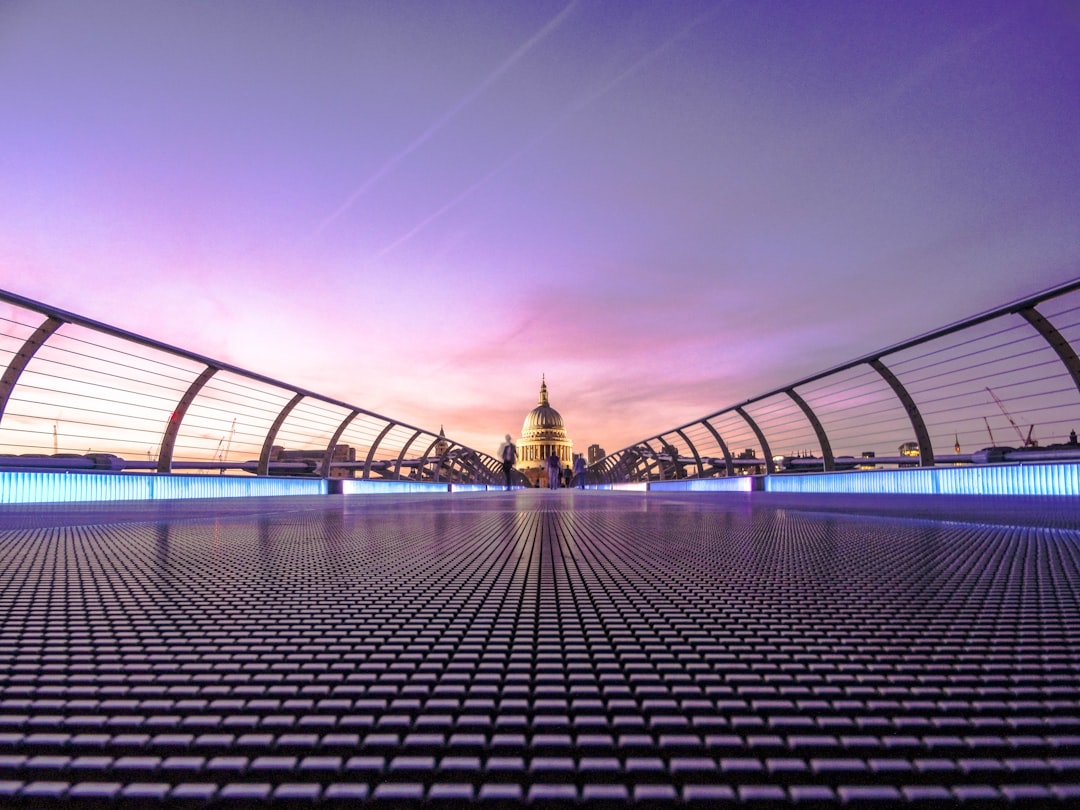

In the pulsating heart of London, between the majestic Thames and the historic banks of the British capital, stands the Millennium Bridge. This extraordinary pedestrian bridge, inaugurated in 2000, has become a symbol of innovation and modernity, connecting St. Paul's Cathedral and Tate Modern. With its futuristic design and elegant structure, the Millennium Bridge is not just an engineering feat, but also a place where culture and nature meet in an unexpected embrace.
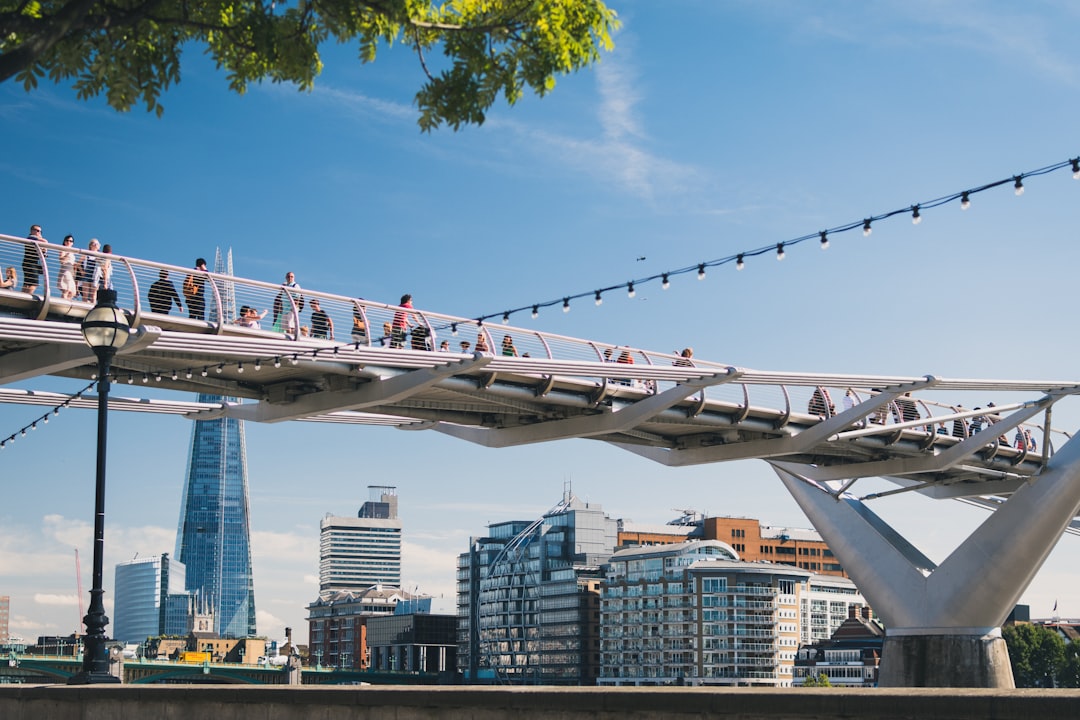
Crossing the bridge, visitors can enjoy breathtaking views of the river, the historic surrounding structures, and the vibrant London life. This architectural marvel is not just a means of transportation, but a sensory experience that invites reflection on the interconnection between history and modernity.
An Engineering Work of Art

The Millennium Bridge was designed by a team of world-renowned architects, including Sir Norman Foster and Sir Anthony Caro. Its unique shape and suspended structure make it a stunning example of contemporary architecture. With a length of over 300 meters, the bridge is made of steel and glass, materials that enhance its bright and light appearance, creating an illusion of weightlessness that surprises every visitor.
The design of the Millennium Bridge faced numerous engineering challenges, including the vibrations that occurred during the inauguration, when a large crowd crossed it for the first time. These oscillatory movements, which initially caused concern, were resolved through a change in structural design, demonstrating that every great work can face and overcome difficulties.
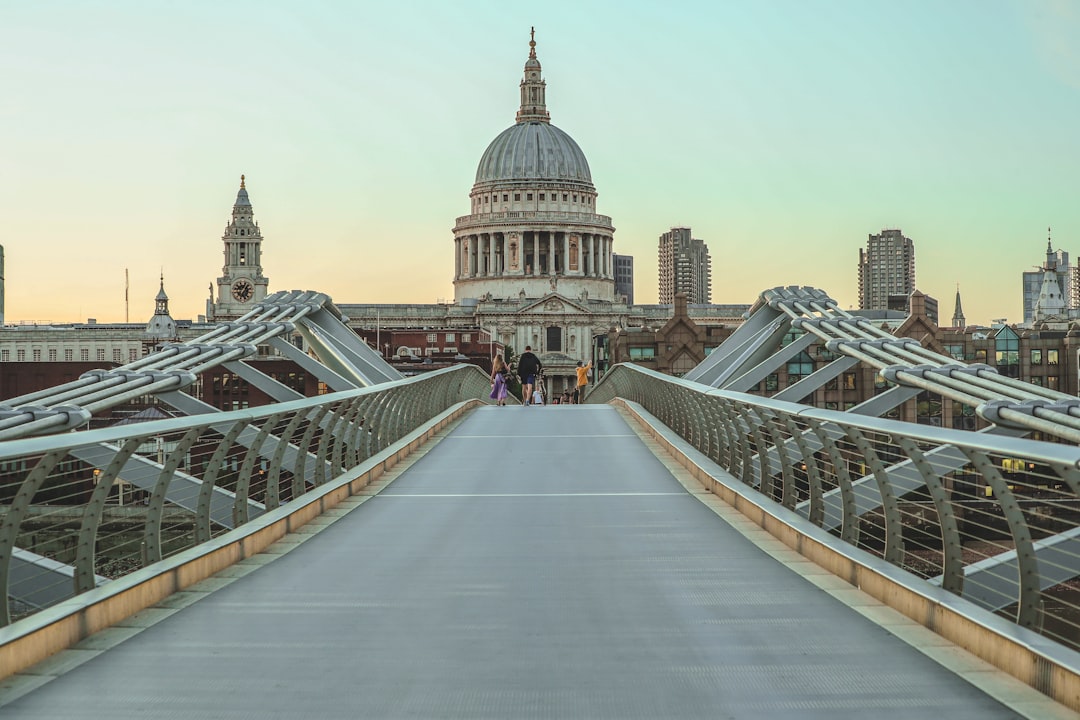
A Bridge Between Cultures and History
In addition to its architectural beauty, the Millennium Bridge also serves as a bridge between different cultures. Every day, thousands of pedestrians, tourists, and locals cross the bridge, creating a flow of stories and encounters. As you walk on the bridge, you can feel the vibrant energy of London, with tourists taking photographs and residents enjoying a break from the daily hustle. This cultural exchange makes the Millennium Bridge a true crossroads of human experiences.

Just a few steps from the bridge, you will find St. Paul's Cathedral with its imposing dome and the Tate Modern, a temple of contemporary art. This context makes the Millennium Bridge not only a physical connection but also a symbolic link between art, history, and innovation. The combination of these elements offers visitors a unique experience, where the past and present blend harmoniously.
A Sensory Experience

Walking on the Millennium Bridge is an experience that engages all the senses. The sight is filled with spectacular views of the Thames and the surrounding historic monuments, while the sound of flowing water and birds flying overhead creates a charming atmosphere. During sunset hours, the golden light envelops the bridge, transforming it into a living work of art that reflects in the river below.
It is not uncommon to see street artists and performers entertaining passersby, adding an extra layer of vibrancy to the bridge experience. Each visit to the Millennium Bridge is different, with new emotions and surprises ready to be discovered. It is a place where time seems to stand still, allowing visitors to fully immerse themselves in the beauty that surrounds them.
A Sustainable Future
The Millennium Bridge is not only a symbol of the present but also an ambassador of a sustainable future. Its design has taken into account environmental factors, using recyclable materials and innovative solutions to reduce environmental impact. Furthermore, the bridge promotes the use of pedestrian mobility, encouraging people to explore the city on foot and enjoy a more active and healthy life.
In an era where attention to sustainability is more urgent than ever, the Millennium Bridge represents a model to follow for future generations of architects and engineers. Its presence in the heart of London reminds us that it is possible to combine beauty and functionality in a harmonious way, creating public spaces that enrich urban life.


