
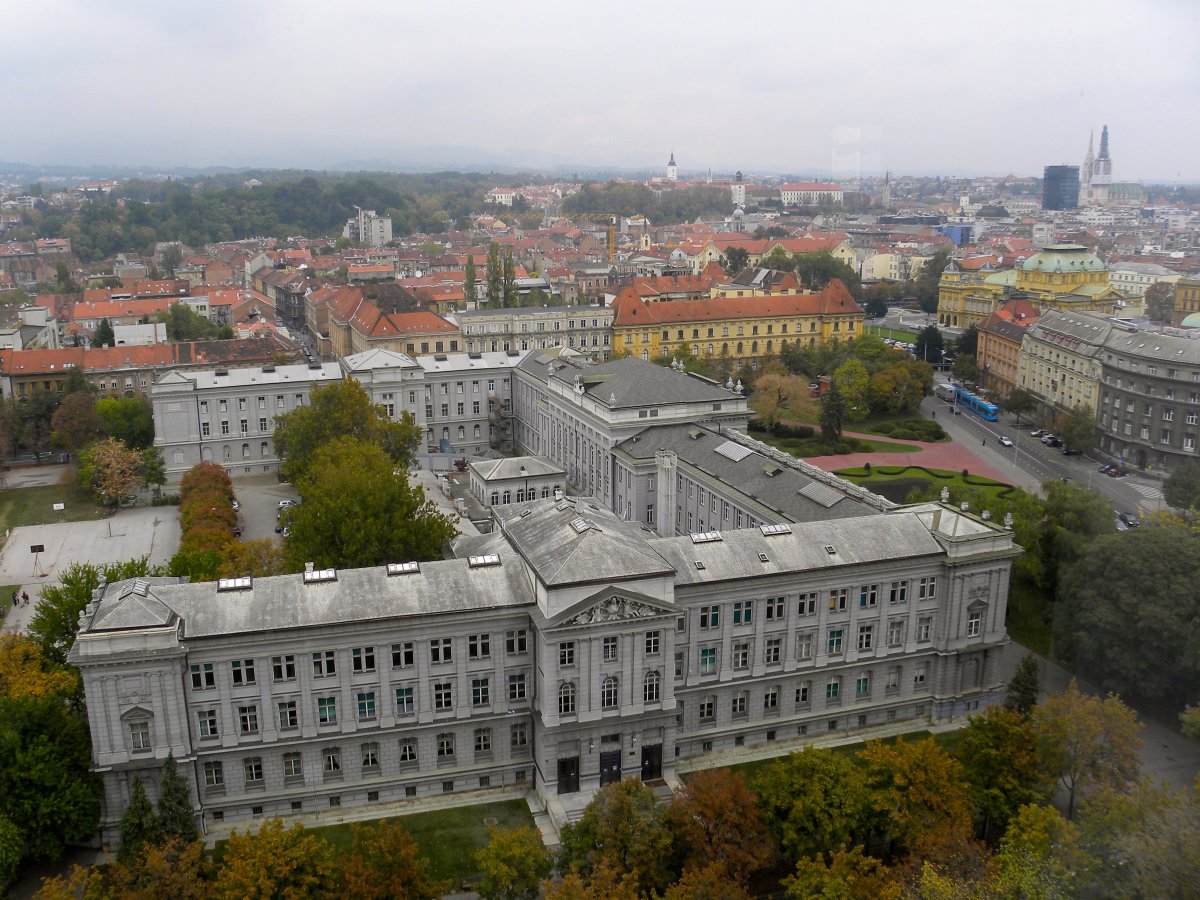

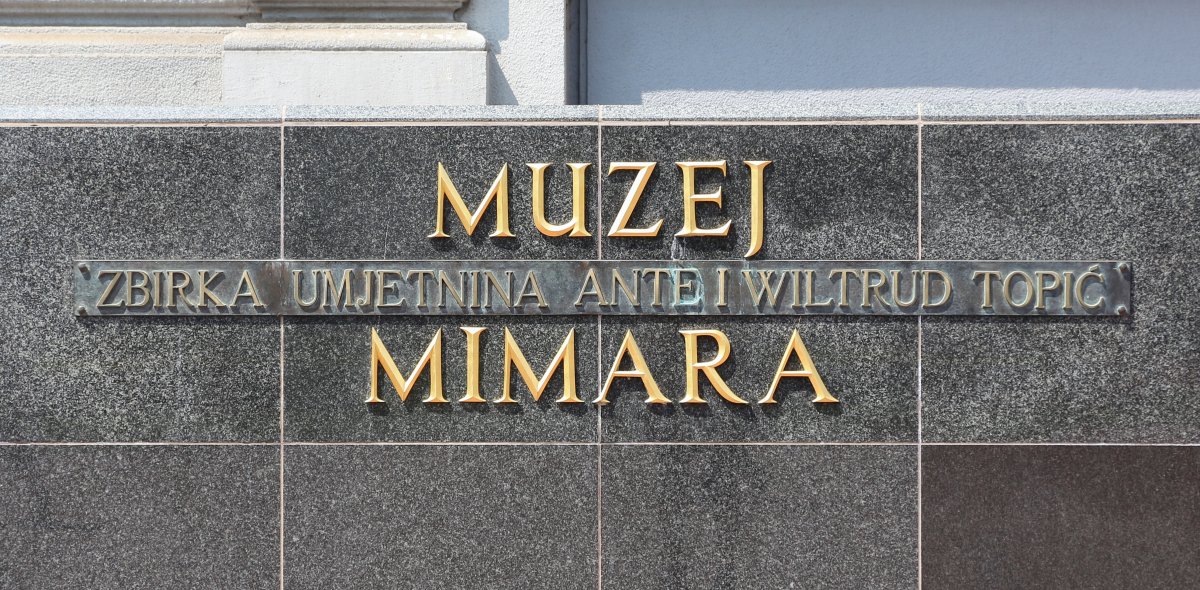
In the heart of Zagreb, in a neo-Renaissance building constructed at the end of the 19th century, there are over 3,750 works of art collected by a single man over decades of travels and purchases around the world. The Mimara Museum — whose full name is Muzej Mimara — owes its existence to Ante Topić Mimara, a Croatian collector born in 1898 who donated the entire collection to the city of Zagreb before his death in 1987. The museum officially opened to the public in 1987, the very year of his passing.
The building that houses the collection is located in Rooseveltov trg, Roosevelt Square, just a few minutes' walk from the historic center. The structure, originally a school built in 1895 designed by architects Friedrich Schmidt and Hönigsberg & Deutsch, was adapted to accommodate the donated works. Even from the outside, the facade with its regular arches and stone details anticipates the intimate and almost domestic atmosphere of the interiors.
An encyclopedic collection that spans the millennia
What makes the Mimara collection difficult to classify is its deliberate heterogeneity. It is neither a thematic museum nor an art gallery in the traditional sense: the works range from classical antiquity to the twentieth century, from European painting to objects of Asian decorative art. Among the most discussed pieces are paintings attributed to Raphael, Rubens, and Velázquez, although some attributions have generated debates in the academic world over the years.
Alongside European paintings, the collection includes ancient Persian glass of rare quality, pre-Columbian artifacts from Mesoamerican civilizations, medieval sculptures in ivory and wood, oriental rugs, and a section dedicated to the art of East Asia. Moving from one room to another is like jumping from one continent to another and from one era to another, which can be disorienting but also fascinating for those who let curiosity guide them.
The rooms and masterpieces not to be missed
The museum is spread over several floors and the rooms are organized by geographical areas and types of materials. On the floor dedicated to European painting, visitors find large canvases alongside more intimate works, without the pressure of crowds that characterizes large European museums. Here, one can stand in front of a painting for several minutes without being pushed by other visitors — a luxury that is becoming increasingly rare.
Particularly interesting is the section dedicated to ancient art, which includes Egyptian, Greek, and Roman artifacts. Some of the ceramics and statuettes displayed here are accompanied by descriptive cards that allow for the contextualization of the objects even without specific preparation. The section of ancient glass, with specimens dating from Roman antiquity to the medieval Islamic period, is one of the most unusual and least known in the museum.
The visiting experience: silence and space
One of the most immediate characteristics of the Mimara Museum is the scarcity of visitors. Even on peak days, the rooms remain quiet, allowing for a type of meditative visit that is hard to find elsewhere. There are no lines at the entrance, no school groups blocking the views, no selfie sticks in front of the paintings. Those seeking a museum experience unmediated by crowds will find almost ideal conditions here.
The silence of the interiors is accentuated by controlled lighting and generous spaces between the works. Some rooms have high ceilings and parquet floors that amplify every step, giving the visit a slow and reflective rhythm. It is the kind of museum where one can sit on one of the benches in the rooms and observe a work for as long as necessary to truly understand it.
Practical Information for the Visit
The museum is located in a central position and is reachable on foot from most hotels in downtown Zagreb. The tram is the most convenient means of transport: several lines stop near Rooseveltov trg. The entrance ticket is reasonably priced compared to the standards of major European museums — it is advisable to check the updated rates directly on the museum's official website before the visit, as they may vary.
The recommended visiting time is at least two hours for those who want to see the main sections, but three hours are necessary for those who intend to explore the collections of decorative art and ancient materials as well. The museum is generally closed on Mondays, like most Croatian museum institutions. The best time to visit is in the morning on weekdays, when the halls are practically empty and the natural light filtering through the windows is more favorable.


