
← Back

Missiri Mosque

112 Rue du Malbousquet, 83600 Fréjus, Francia ★★★★☆ 103 views
Chiara Soriano
Fréjus
🏆 AI Trip Planner 2026

Get the free app

Discover the best of Fréjus with Secret World — the AI trip planner with 1M+ destinations. Get personalized itineraries, hidden gems and local tips. Free on iOS & Android.

🧠 AI Itineraries 🎒 Trip Toolkit 🎮 KnowWhere Game 🎧 Audio Guides 📹 Videos
Scan to download iOS / Android
Scan for AppGallery Huawei users

About Missiri Mosque

Missiri Mosque - Fréjus | Secret World Trip Planner

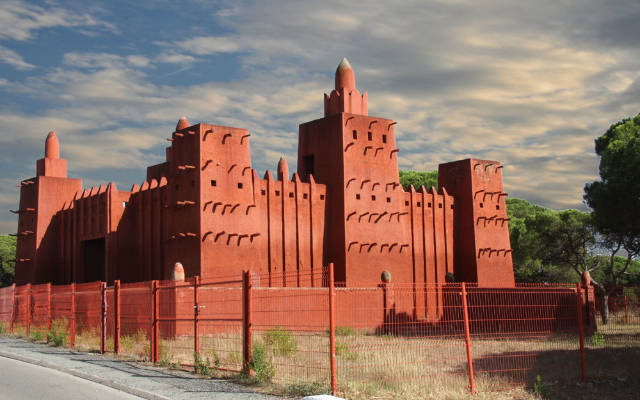
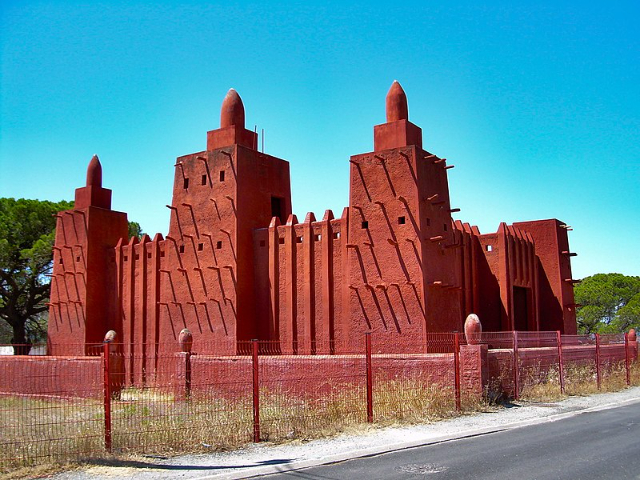
During the colonial era, a training center was established in Fréjus to house soldiers from Asia and Africa. The idea of recreating a missiri, a type of religious temple, was an initiative of Captain Abdel Kader Mademba in 1928.Senegalese snipers built this replica, but unlike the original made of mud, this one was made of concrete and covered with Provençal ochre, a local dye. Completed in 1930, the building served as a place of worship and today is a striking monument owned by the French Ministry of Defense and belongs to the Navy Museum in Fréjus.Prior to the construction of this temple, French soldiers in Indochina built the Buddhist pagoda of Hông Hiên, a spiritual refuge for the Vietnamese who fought alongside the French during World War I in 1917.
Missiri Mosque - Fréjus | Secret World Trip Planner
🗺 AI Trip Planner

Plan your visit to Fréjus

Suggested itinerary near Missiri Mosque

MAJ+
500.000+ travelers worldwide
  1. 🌅
    Morning
    Missiri Mosque
    📍 Fréjus
  2. ☀️
    Afternoon
    Esterel massif
    📍 9.6 km · Fréjus
  3. 🌆
    Evening
    Palais Bulles: Pier Cardin's Bubble Palace
    📍 17.8 km · Fréjus

Buy Unique Travel Experiences

Powered by Viator

See more on Viator.com

Explore nearby · Fréjus

Frequently Asked Questions

The Missiri Mosque was built on the initiative of Captain Abdel Kader Mademba in 1928, as a replica of a traditional African missiri temple. Senegalese snipers constructed it during the colonial era when a training center housed soldiers from Asia and Africa in Fréjus, completing the project in 1930.
Unlike the original missiri temples made of mud, the Fréjus version was constructed from concrete and covered with Provençal ochre, a local dye characteristic to the region. This modern adaptation allowed it to serve as a lasting monument rather than requiring traditional mud-based maintenance.
The Missiri Mosque is owned by the French Ministry of Defense and is part of the Navy Museum in Fréjus. As a striking monument, it remains accessible to visitors interested in colonial history and military heritage.
The mosque stands as a testament to the colonial era when Fréjus served as a training center for soldiers from Asia and Africa, particularly Senegalese soldiers. It represents a unique cultural and spiritual landmark built by these troops and reflects the multicultural military history of early 20th century France.
Yes, the Navy Museum in Fréjus also features the Buddhist pagoda of Hông Hiên, which was built by French soldiers in Indochina in 1917 as a spiritual refuge for Vietnamese soldiers who fought alongside the French during World War I. Together, these two structures represent the diverse religious and cultural heritage preserved at the museum.