
← Back

MOnaco: Cathedral of the Immaculate Conception

4 Rue Colonel Bellando de Castro, 98000 Monaco ★★★★☆ 310 views
Marika Connor
Monaco
🏆 AI Trip Planner 2026

Get the free app

Discover the best of Monaco with Secret World — the AI trip planner with 1M+ destinations. Get personalized itineraries, hidden gems and local tips. Free on iOS & Android.

🧠 AI Itineraries 🎒 Trip Toolkit 🎮 KnowWhere Game 🎧 Audio Guides 📹 Videos
Scan to download iOS / Android
Scan for AppGallery Huawei users

About MOnaco: Cathedral of the Immaculate Conception

MOnaco: Cathedral of the Immaculate Conception - Monaco | Secret World Trip Planner

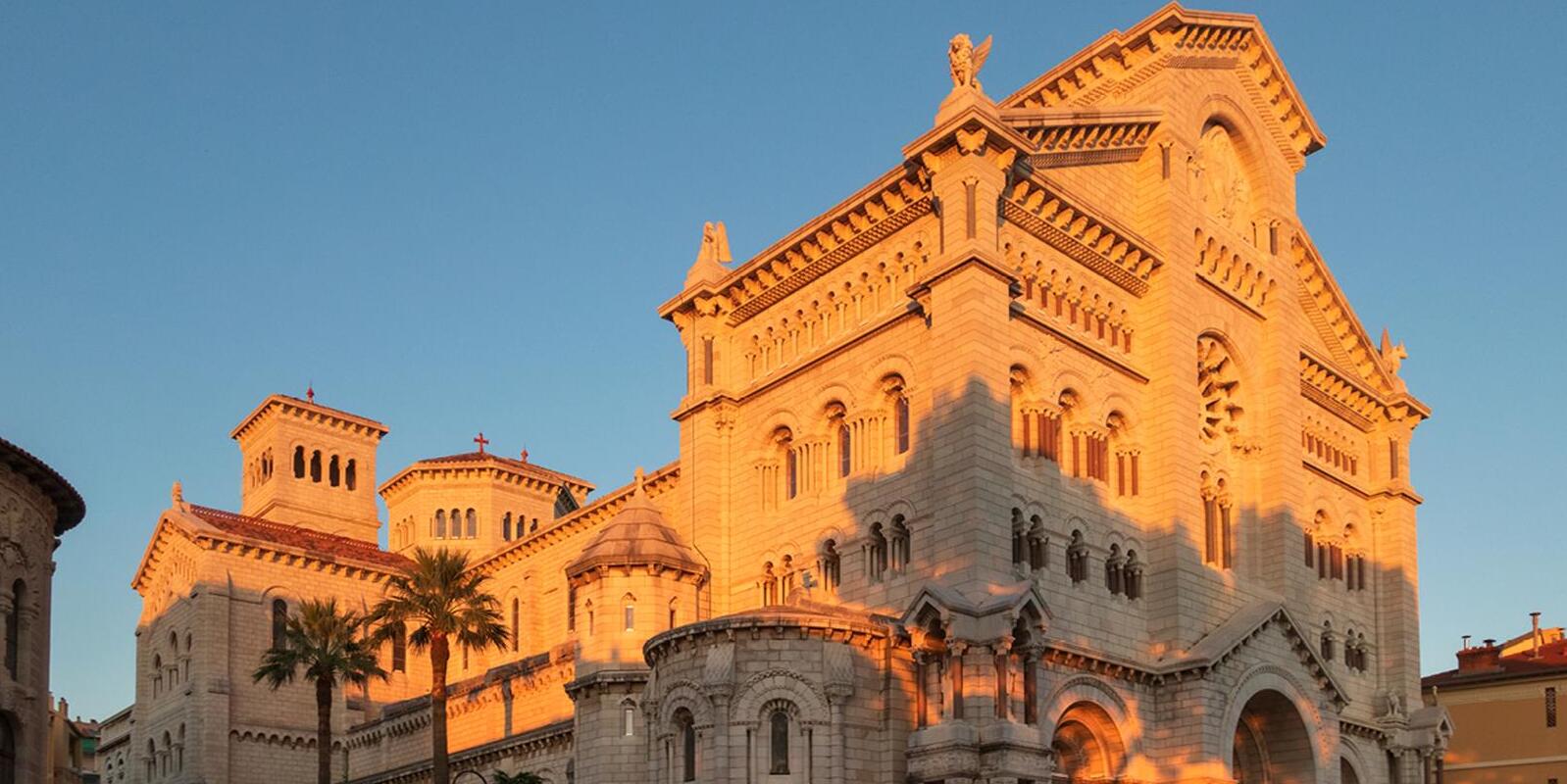
Between 1215 and 1240 the fortress became a fortified city. The Bull of Pope Innocent IV of December 6, 1247 led to the creation of the first independent parish of Turbie and authorized the construction of a church in honor of St. Nicholas, patron saint of sailors. The construction ended in 1321. The church stood at the transept of today's cathedral. The parish cemetery was located in the space later occupied by the nave. During the 15th, 16th and 17th centuries, eight chapels were built at the side aisles. In 1868, the territory of the Principality of Monaco was separated from the Diocese of Nice. It was then decided to demolish the Church of St. Nicholas, which boasted six centuries of history, to build the present Cathedral. On 6 January 1875, Prince Charles III laid the first stone of the present monument, dedicated to Our Lady of the Immaculate Conception. Saint Nicholas and Saint Benedict are the secondary patrons. The consecration of the Cathedral took place on June 11, 1911. The Great Organs, located on the chancel overlooking the narthex, date back to 1976 and are the work of Jean-Loup Boisseau in collaboration with Pierre Cochereau and Canon Henri Carol. The reconstruction work on the Grand Organ was entrusted to the organ manufacturer Thomas (Belgium) and after 2 years of work, Monaco boasts a unique instrument from an architectural and musical point of view since December 2011. Beyond the liturgical appointments, which are always attended, the fame of the Cathédrale Notre-Dame-Immaculée de Monaco is linked to the presence of the deceased princes. In particular, Rainier III and his wife Grace Kelly, whose love story, in the mid-1950s of the last century, and culminating in the wedding celebrated in the Cathedral itself, inflamed magazines all over the world.

MOnaco: Cathedral of the Immaculate Conception - Monaco | Secret World Trip Planner
🗺 AI Trip Planner

Plan your visit to Monaco

Suggested itinerary near MOnaco: Cathedral of the Immaculate Conception

MAJ+
500.000+ travelers worldwide
  1. 🌅
    Morning
    MOnaco: Cathedral of the Immaculate Conception
    📍 Monaco
  2. ☀️
    Afternoon
    Discover the Cathédrale de Monaco: a Jewel of Culture and History
    📍 0.2 km · Monaco
  3. 🌆
    Evening
    Oceanographic Museum of Monaco
    📍 0.2 km · Monaco

Buy Unique Travel Experiences

Powered by Viator

See more on Viator.com

Explore nearby · Monaco

Frequently Asked Questions

The cathedral was built to replace the Church of St. Nicholas, which had stood for six centuries after its construction in 1321. Prince Charles III laid the first stone on January 6, 1875, and the cathedral was officially consecrated on June 11, 1911, dedicated to Our Lady of the Immaculate Conception with Saint Nicholas and Saint Benedict as secondary patrons.
Prince Rainier III and his wife Grace Kelly, whose famous wedding took place in the Cathedral itself in the mid-1950s, are interred within the Cathedral of the Immaculate Conception. Their presence in the cathedral has made it one of Monaco's most iconic and visited religious sites.
The Grand Organ was reconstructed and completed in December 2011 after two years of work by Belgian organ manufacturer Thomas, in collaboration with the original 1976 designers Jean-Loup Boisseau and Pierre Cochereau. Monaco's Grand Organ is considered a unique instrument from both an architectural and musical perspective.
The Church of St. Nicholas, constructed between 1247 and 1321 as the first independent parish church dedicated to the patron saint of sailors, was demolished in 1868 to make way for the present Cathedral. Its location at the transept of today's cathedral marks where the historic six-century-old church once stood.
In 1868, the territory of the Principality of Monaco was separated from the Diocese of Nice, which led to the decision to demolish the old Church of St. Nicholas and construct a new, grander cathedral befitting Monaco's status as an independent principality. This separation marked a significant ecclesiastical and political development for the region.
