
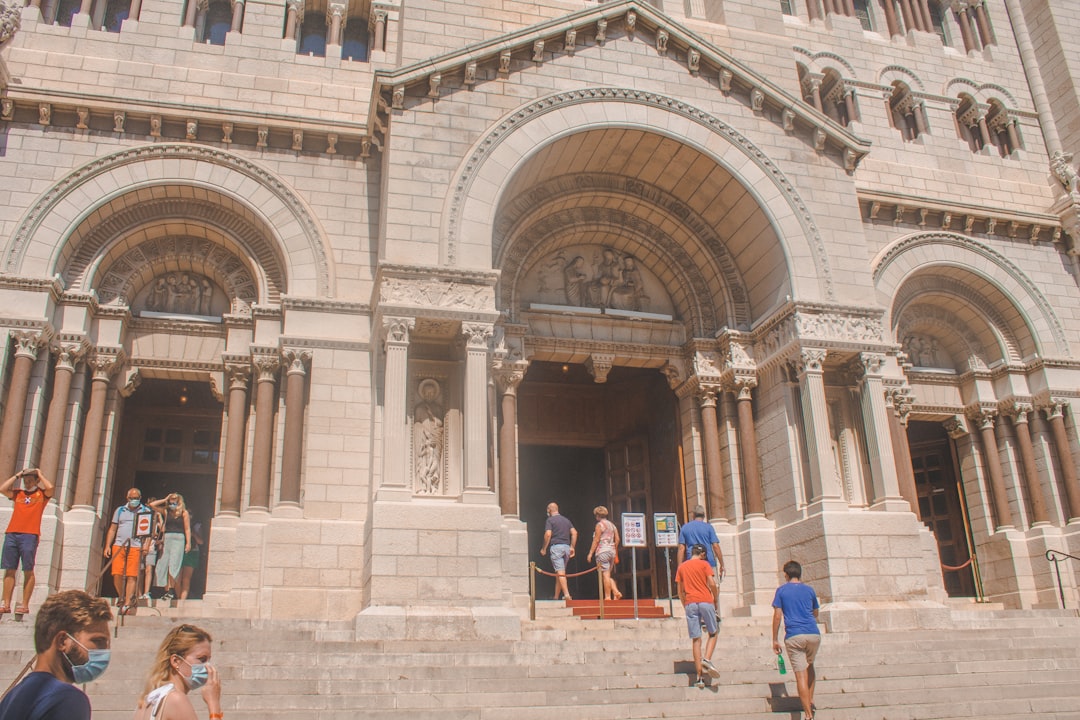

In the heart of Monaco, the Principality overlooking the Mediterranean, stands majestically the Cathédrale de Monaco, a symbol of spirituality and culture that attracts visitors from all over the world. This extraordinary building is not only a place of worship but also an important historical heritage that tells the story of one of the smallest yet most fascinating nations in Europe.
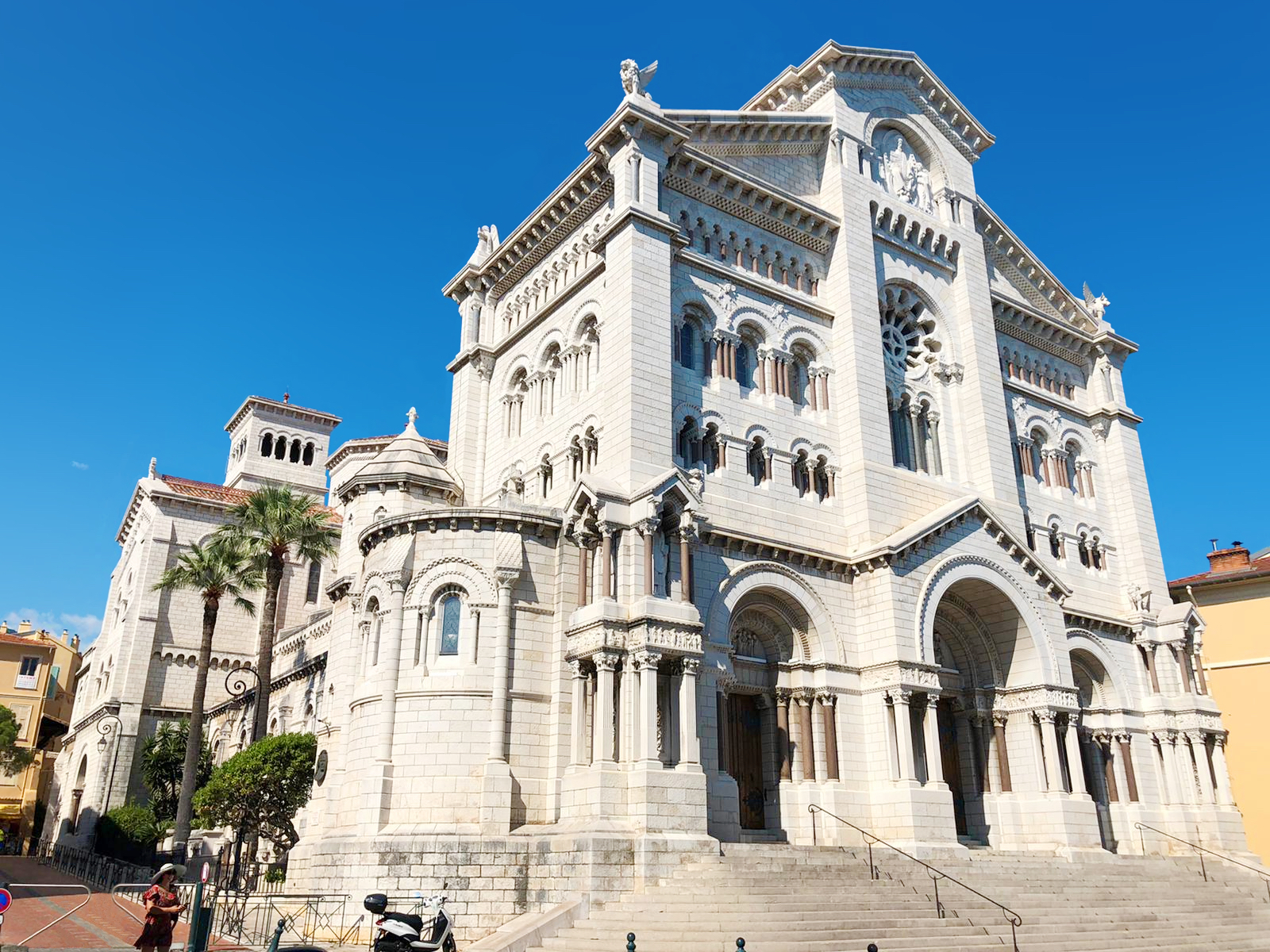
The Cathédrale, built in Romanesque-Byzantine style, is famous for its architectural beauty and its religious significance. Located in the Provence-Alpes-Côte d'Azur region, it represents a landmark for the Monégasques and an unmissable attraction for tourists, who can immerse themselves in the history and culture of this corner of France.
Historical and Cultural Context
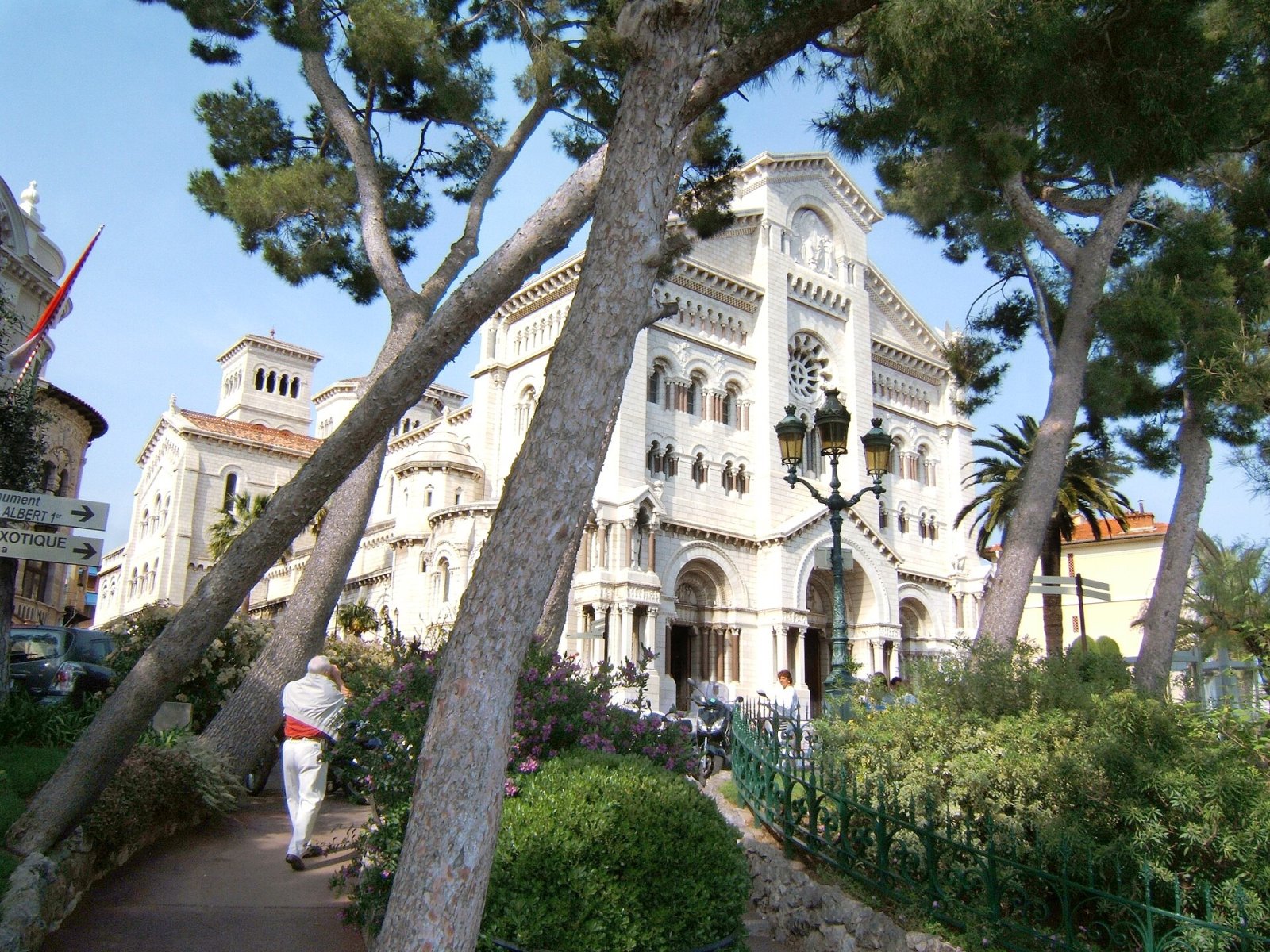
The Cathédrale de Monaco, consecrated in 1911, is built from white limestone sourced from La Turbie, a nearby commune. This place of worship is the result of a long architectural evolution that reflects the various cultural influences that have crossed Monaco over the centuries. Despite its modest size, the cathedral is an example of how art and religion can come together to create a place of great beauty and significance.
The cathedral is also the burial place of the Grimaldi family rulers, the dynasty that has governed Monaco for over seven centuries. Visiting it means immersing oneself in the history of the Principality and understanding the importance of the monarchy in the lives of its citizens. The presence of the tombs of princes and princesses, with their funerary monuments, adds an additional layer of depth to this already meaningful place.
What Impresses About the Place
What immediately strikes the visitor are the elegant and harmonious lines of the Cathédrale's facade, which stands out against the blue sky of the Mediterranean. The interior, with its high naves and colorful stained glass, creates an atmosphere of calm and contemplation. Every detail, from the mosaics to the sculptures, invites one to pause and admire the sacred art that permeates the entire space.
Moreover, the cathedral's location offers a spectacular view of the harbor and the sea, making the visit even more memorable. The beauty of the natural context, combined with the grandeur of the architecture, creates a unique sensory experience that leaves a lasting impression in the heart of every visitor.
Visiting Experience
Visiting the Cathédrale de Monaco is an experience that goes beyond merely observing a monument. One has the opportunity to participate in religious celebrations, which take place regularly, allowing one to experience the spirituality of the place. Additionally, the cathedral is open to visitors year-round, offering the chance to explore its interior in an atmosphere of tranquility.
It is advisable to take some time to stroll through the surrounding gardens, where one can enjoy a panoramic view of the sea and discover other nearby attractions, such as the Prince's Palace. The combination of art, culture, and nature makes this place not just a site to visit, but an experience to live.


